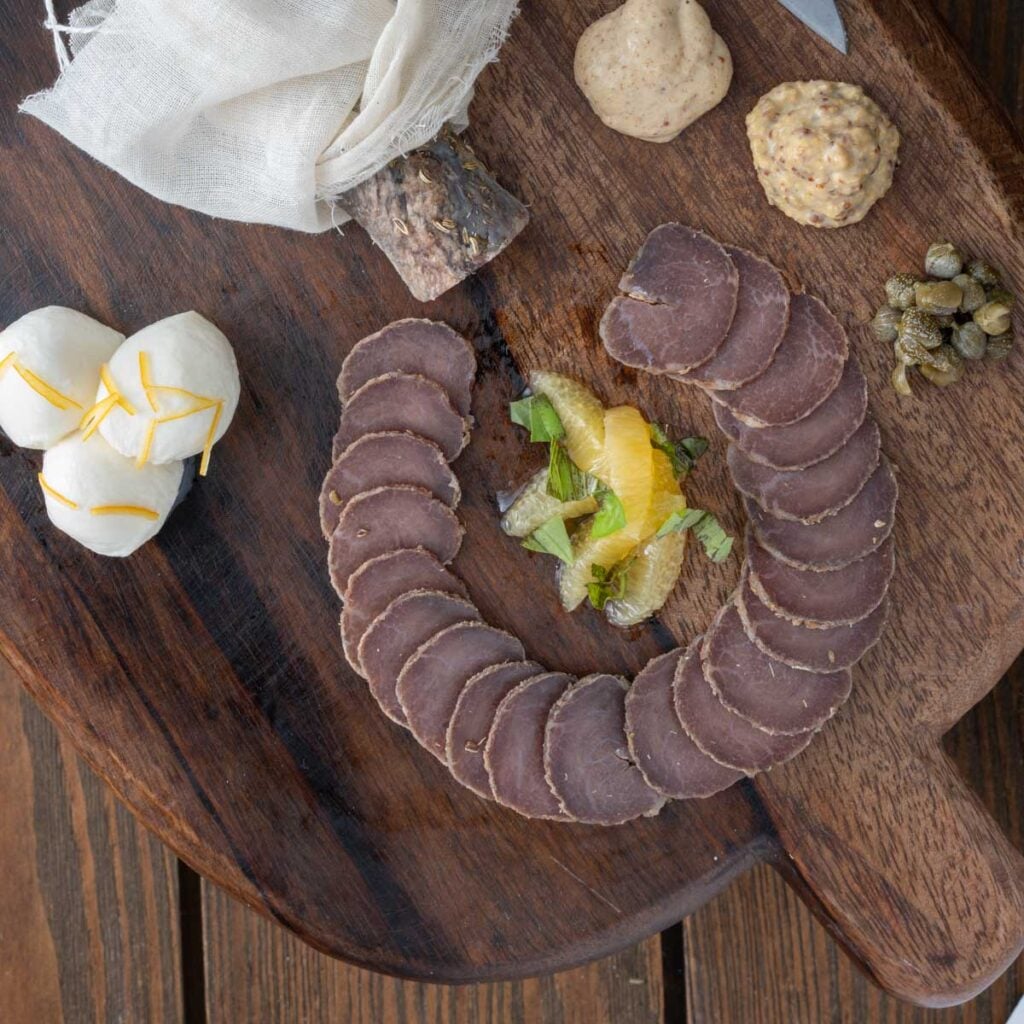
Wild boar backstrap and tenderloin are two of the best cuts on the animal. But they are also easy to overcook. They are lean, cook quickly, and do best when handled properly. Whether that means fried cutlets, smoked chops, or cured whole muscles, it all comes down to technique.
This page collects my wild boar backstrap and tenderloin recipes in one place. If you are working with loin chops, thin cutlets, or whole tenderloins, these are some of my favorite recipes to start with.
Backstrap and tenderloin get lumped together all the time, but they are not the same cut.
The backstrap, sometimes called the loin, is the larger muscle that runs along the spine. It is big enough to portion into chops, cutlets, or whole sections for curing. The tenderloin is the smaller muscle inside the cavity. It is more delicate, usually more tender, and cooks even faster.
What they have in common is that both are lean premium cuts. That is why they do not belong in the same conversation as shoulder, shank, or other cuts that need long cooking.
Best Ways to Cook These Cuts
Wild boar backstrap and tenderloin generally do best with quick cooking or mindful curing.
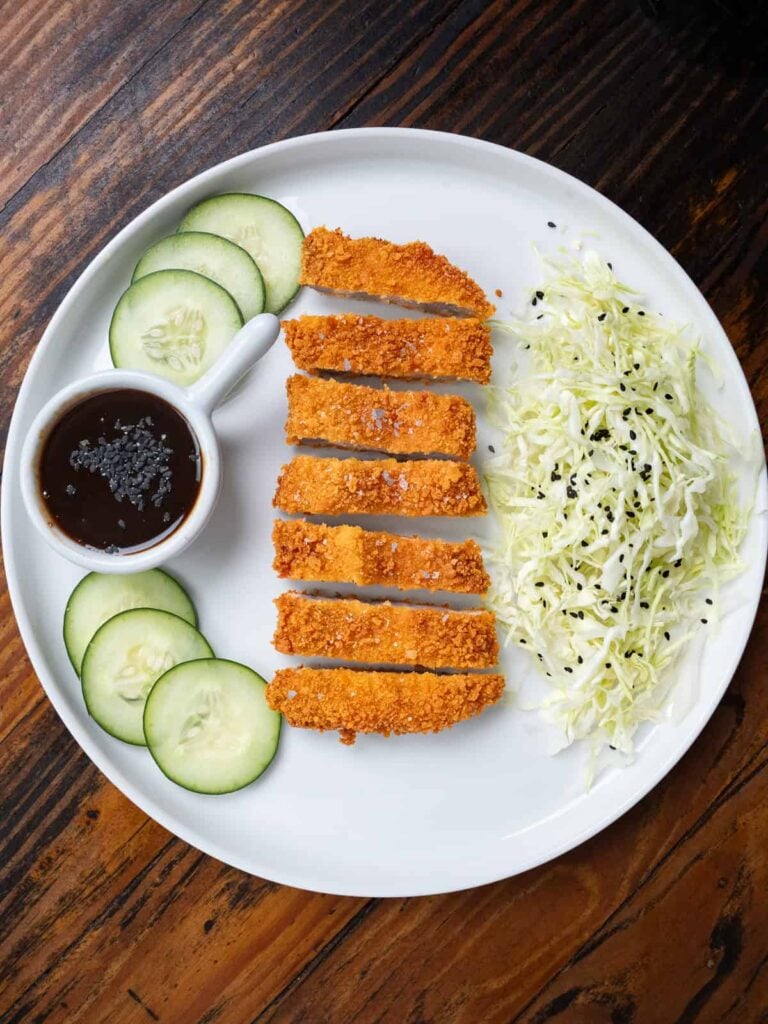
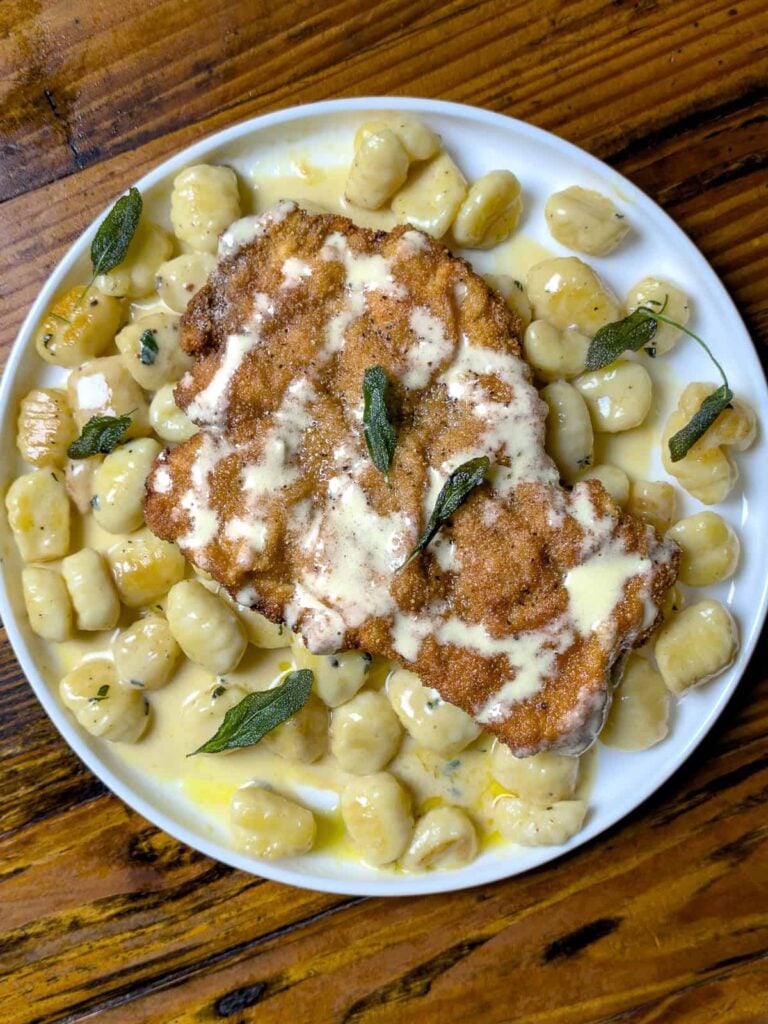
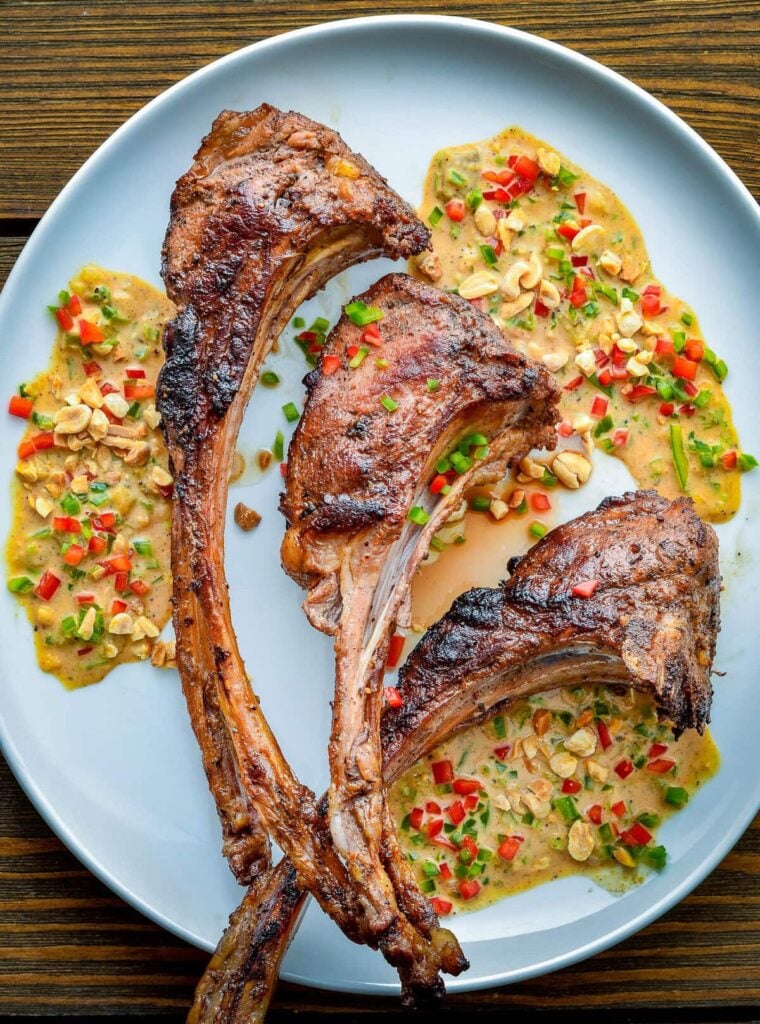
Pounded and thin-cutlets are a natural fit for recipes like tonkatsu and schnitzel. Loin chops can be smoked while closely monitoring the internal temperature. But keep in mind that both can benefit from brining before smoking, grilling or pan searing. This helps the lean meat retain some moisture, while imparting the flavors you add
The main thing is not to cook these cuts like tougher pork. They do not have the fat or connective tissue to handle that kind of treatment. If you want low and slow wild boar, use shoulder or shank. If you want to make the most of backstrap and tenderloin, cook them with more restrain