
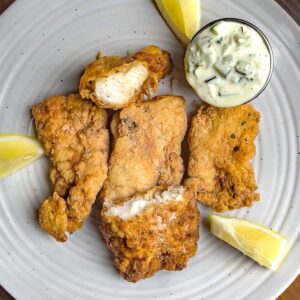
This crispy Fried Catfish Recipe skips the cornmeal entirely. Instead, we use a 1:1 mix of flour and cornstarch, double-dredge the fillets, and fry them at 350°F for a thin, shattering crust with none of the grit. It simply lets the fish taste like fish. An easy recipe that works the same on wild-caught fillets or a package from the freezer.

Quick Look: Fried Catfish Recipe
- Ready in: about 28 minutes
- Serves: 4
- Calories: 333
- Main ingredients: Catfish fillets, all-purpose flour, cornstarch, eggs, milk, thyme, oregano, smoked paprika, garlic and onion powder, salt and pepper, frying oil.
- Cooking method: Pan- or deep-fried at 350°F for about 3–4 minutes per side, until golden and the center reaches 145°F.
- Why this version works: Flour and cornstarch instead of cornmeal makes a thin, crispy crust with no grit, and dredging twice with an egg wash in between keeps that crust from sliding off in the oil.
SUMMARIZE & SAVE THIS CONTENT ON
I grew up eating catfish rolled in cornmeal, and for most of my life I never thought to question it. That’s how it’s done in the South. You catch a mess of channel cats, you clean them on your tailgate, and throw them in your favorite cornmeal fry mix.
What changed my mind was a batch of small fillets that came from a slow day on the river. They were pretty thin fish, and the cornmeal didn’t offer enough protection to the meat.
So I went in another direction. I cut some flour with cornstarch, dredged twice with an egg wash in between. The crust came out perfectly thin and crispy. It was just thick enough to keep the filets moist. That’s the version my family asks for now. It works on anything you pull out of the water. It also works just as well on a package of fillets that’s been in the deep freeze since October. Which is, honestly, how most of us cook catfish most of the year.
If you’re looking for another southern-fried fish with a cornmeal breading, try my fried bluegill. Or take a look at my collection of fish recipes for more dinner ideas.
Why This Recipe Works
- 1:1 Flour and cornstarch. The flour builds structure while the cornstarch has no gluten to develop. This means the coating fries up thin and crispy isn’t of limp. I also use cornstarch in my recipe for fried shrimp heads. Its an amazing technique.
- No cornmeal. Cornmeal works better on thicker filets, in my opinion. My version offers more protection for the meat, keeping it moist.
- The double dredge helps with binding. Flour, egg wash, flour again. That first dry coat gives the egg something to hold, which is why the breading doesn’t slide off in the oil.
- Trimming beats soaking. Muddy flavor lives in the belly fat and the dark lateral line. Cut those away, and you’re left with clean-tasting catfish.
- 350°F in small batches. At this temperature, the oil is hot enough to set the crust before the fish overcooks. Crowd the pan and the oil drops in temperature, producing a soggy breading.
Notes on Ingredients
See the recipe card for full information on ingredients and quantities.
Choosing Your Catfish: Fresh, Frozen, Wild, or Farm-Raised
Every one of these works just as well for frying as for catfish stew. They just need different handling, and that handling happens before the breading process begins.
- Wild-caught: Wild catfish can carry off flavors in their fat and in the dark red strip of muscle running along the lateral line. That’s where the muddy, earthy taste tends to be. Trim the belly fat and shave off that dark strip, and you’ve solved 90% of any flavor problems.
- Farm-raised: The fish most people buy at the counter. It’s raised in clean ponds on a controlled diet, so it’s milder and more consistent than wild fish. They also usually have more fat. Just like with the wild catfish, trim the belly and the lateral line anyway. It takes less than 5 minutes, and it makes a mild fish taste cleaner.
- Fresh: The fish should smell like clean water and nothing else. The flesh should spring back when you press it. If a fillet smells like fish at the counter, it will taste worse than it smells on the plate, and no amount of seasoning fixes that.
- Frozen. This is what most home cooks have, and it fries beautifully, as long as you handle the water. Thaw it overnight in the fridge on a rack set over a plate so the liquid drains rather than pooling. Once it’s thawed, pat it bone-dry with paper towels, then let it sit uncovered on a rack in the fridge for twenty minutes if you have the time.
Frozen fish holds more surface moisture than fresh, and surface moisture is the single biggest reason breading slides off in the oil. Look for fillets that are individually sealed rather than frozen together in a block, and skip anything with ice crystals or gray, dried-out patches.
Fried Catfish Breading
- All-purpose flour: The structure of the crust. It’s what the egg wash grabs onto and what carries the seasoning.
- Cornstarch: The reason this crust shatters instead of softening. Cornstarch doesn’t develop gluten, so it keeps the coating thin and brittle rather than bready. I run it 1:1 with the flour.
- The seasoning blend: Dried thyme and oregano give it a savory, herbal backbone that plays well with catfish. Smoked paprika adds color and a little smoke. Garlic and onion powder are what make fried fish taste like fried fish.
- Eggs and milk: This gives the flour and cornstarch something to cling to. I prefer the thinner consistency of whole milk over buttermilk.
- Frying oil: Use Peanut, canola, or vegetable oil. All three hold 350°F without breaking down. Use enough to come up to 1½ to 2 inches in the pan, and never fill a pan more than halfway.
Substitutions and Additions
- No Cornstarch? Potato starch or rice flour do the same job if that’s what you have.
- Dairy-Free. Replace the cow’s milk with coconut, almond, or other non-dairy milk. Just make sure to use unsweetened and unflavored non-dairy milk.
- Catfish Nuggets. Cut the fillets into 1-inch pieces. They fry faster, in about 2 to 3 minutes total, and they’ll float and go golden all at once. Fry in slightly smaller batches than you would fillets, since more pieces means more surface area pulling heat out of the oil.
- Cajun or Blackened. Swap the thyme, oregano, and paprika for 2 tablespoons of Cajun seasoning and cut the added salt in half, since most blends are already salted. Taste the breading before you dredge to determine the saltiness.
- Spicy. Whisk a tablespoon of Louisiana-style hot sauce into the egg wash. The heat lands in the crust rather than sitting on top of it.
- Other Fish. This breading works on any mild freshwater or saltwater fillet, including bluegill, crappie, perch, walleye, white bass, and speckled trout. You could even use it for fried soft shell crabs. Thin panfish fillets need about half the fry time, so watch color instead of the clock. Anything much thicker than an inch should be cut into strips first.
How To Make This Fried Catfish Recipe
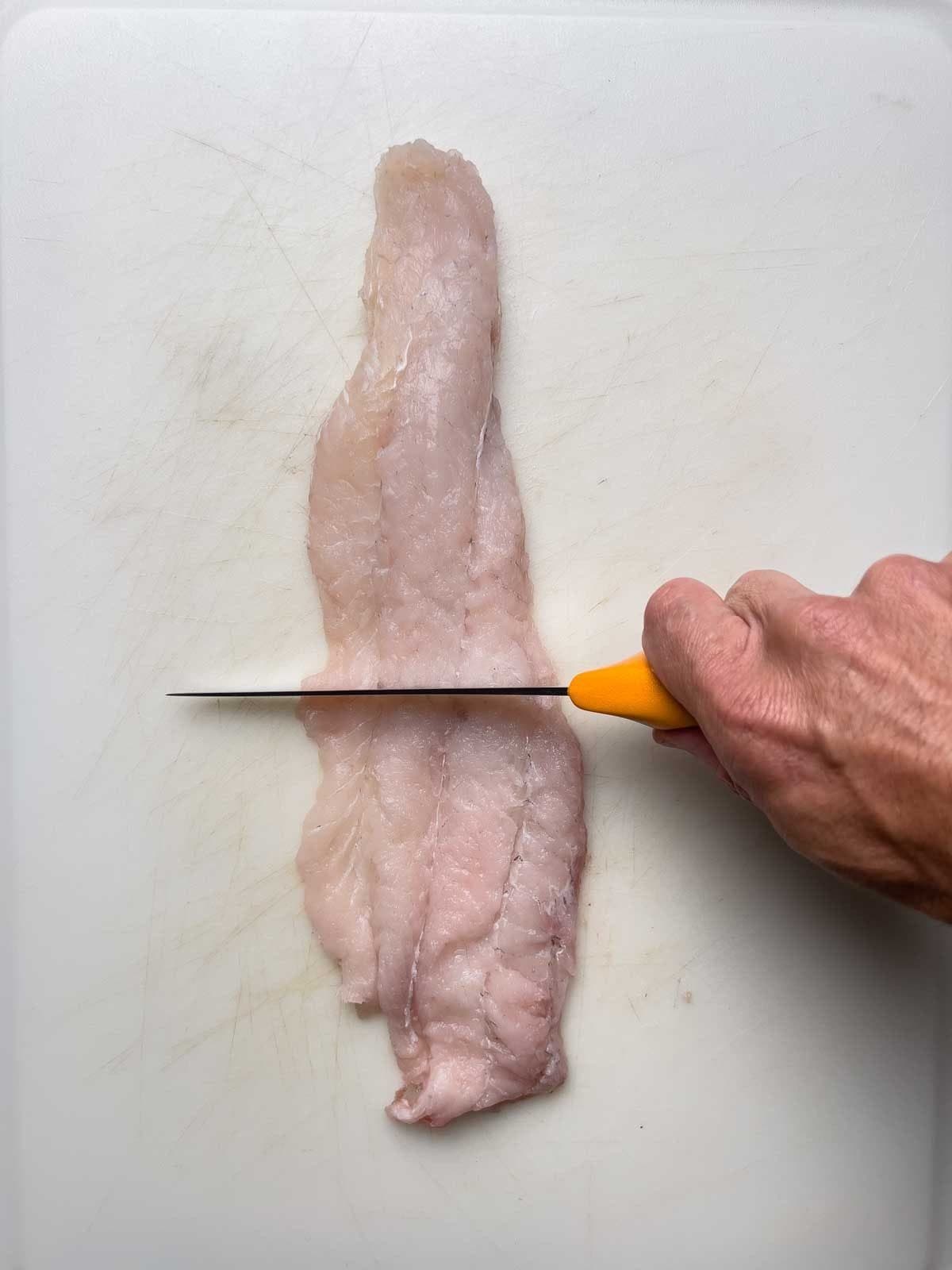
1. Trim the Fish: Trim away any fat from the fish and cut them into your desired portions. Pat the fish dry using a paper towel.
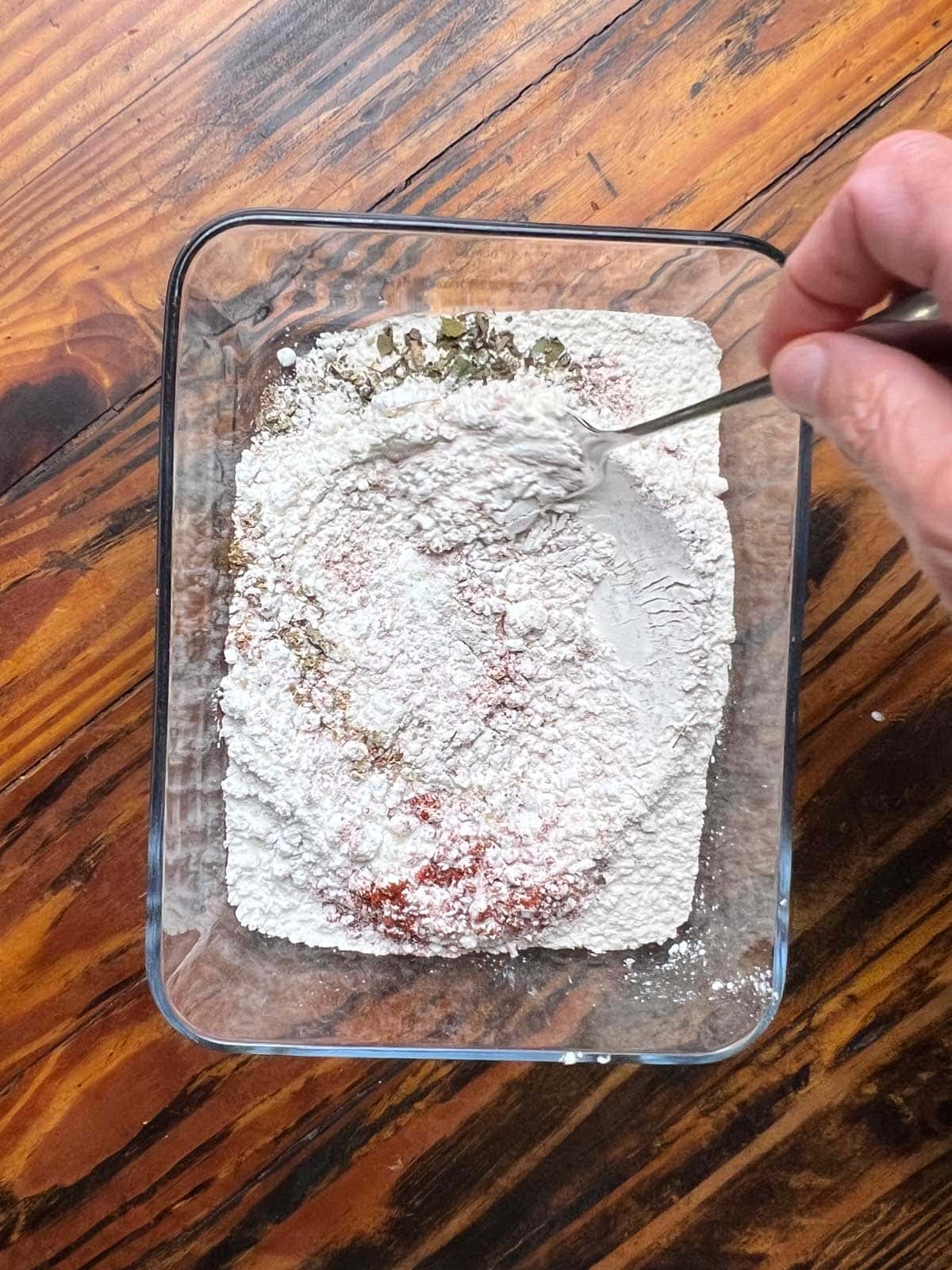
2. Combine Breading Ingredients: Add the all-purpose flour, cornstarch or potato starch, thyme, oregano, black pepper, paprika, salt, garlic, and onion powder to a bowl. Stir well to combine.
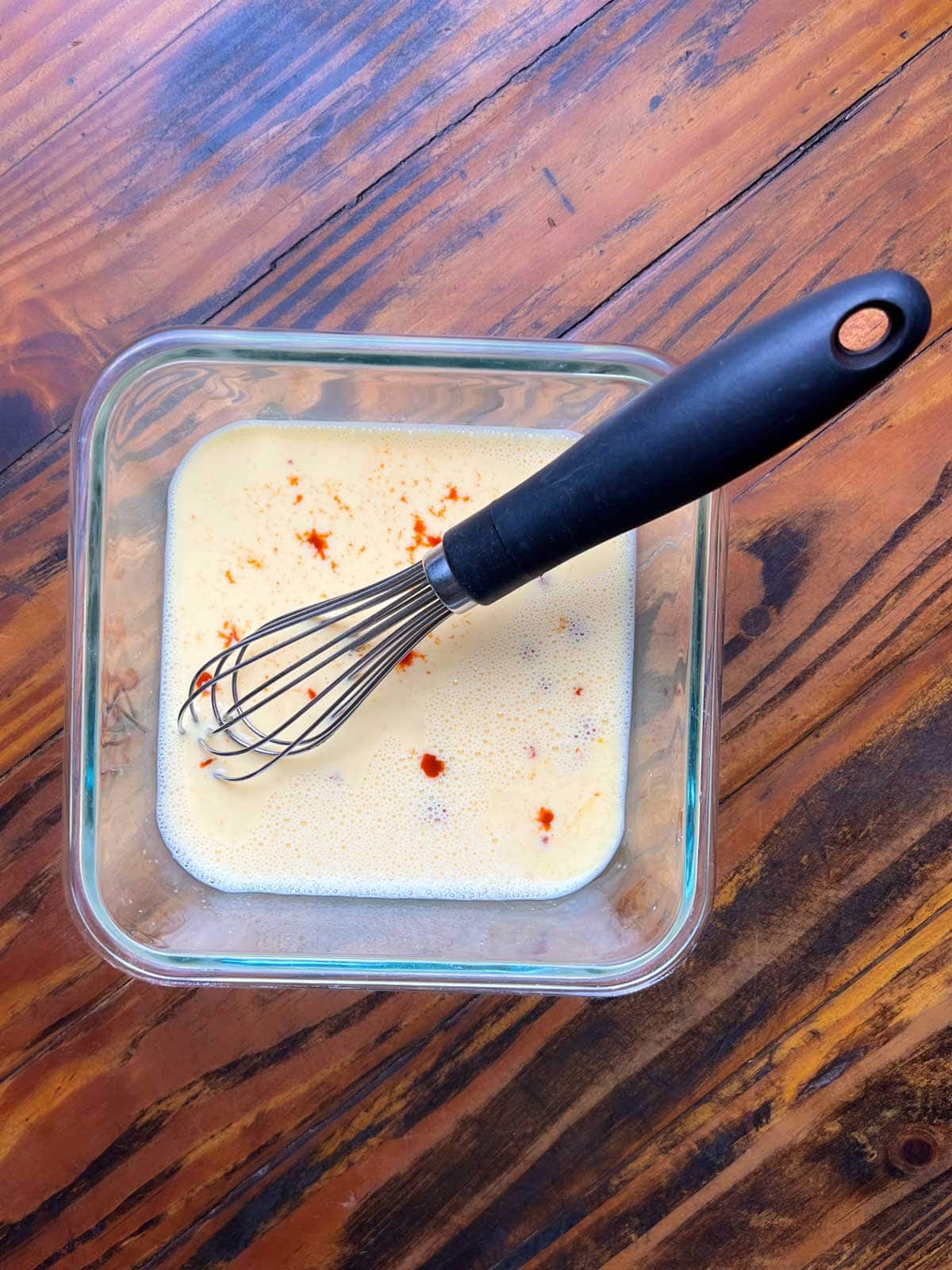
3. Make the Egg Wash: Add the eggs and milk to a bowl and whisk until smooth.
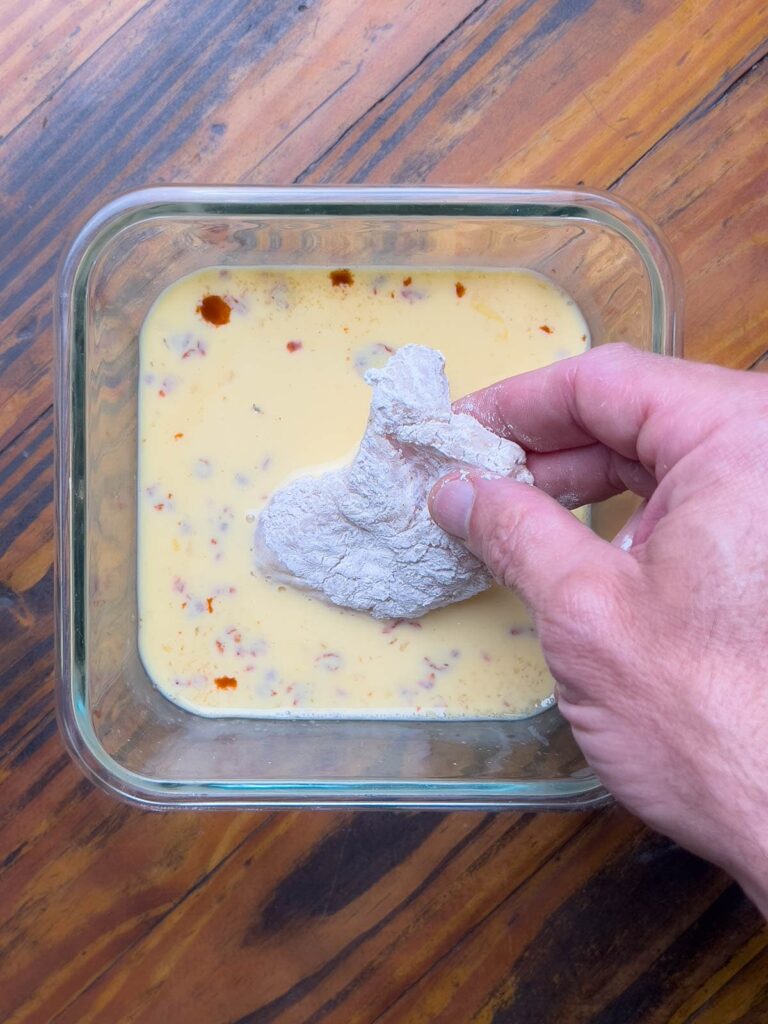
4. Coat in Flour and Egg Wash: Coat the fish in the breading mixture and then the egg wash.
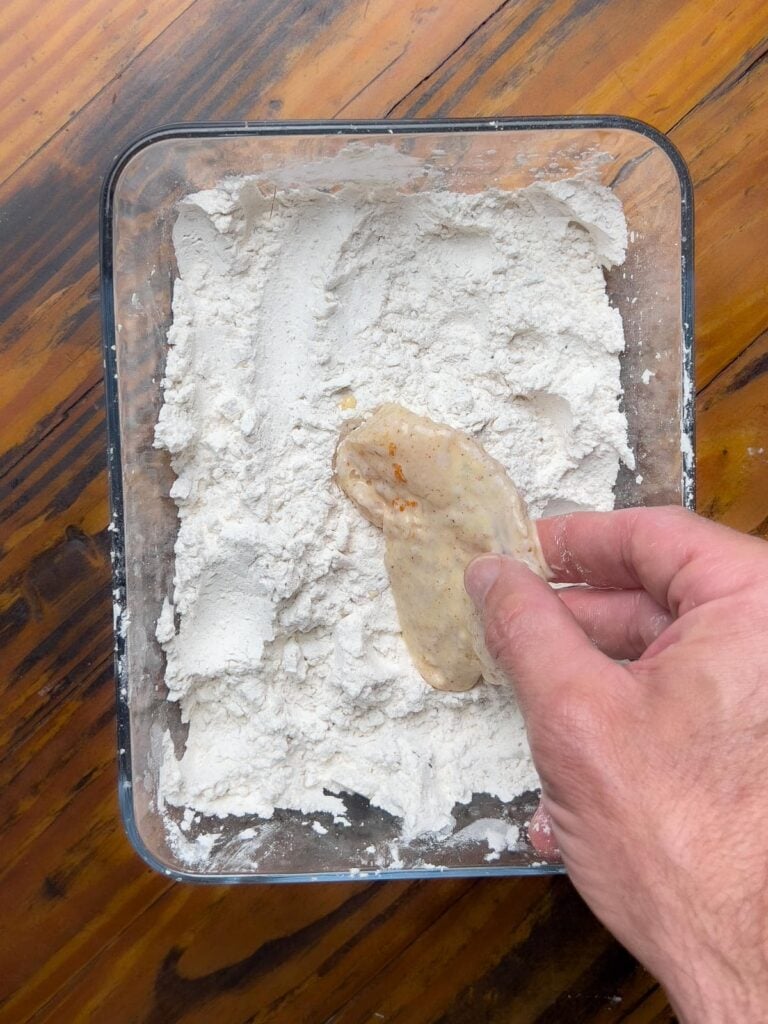
5. Coat in Breading Again: Shake off the excess egg wash and completely coat the catfish in the breading a second time.
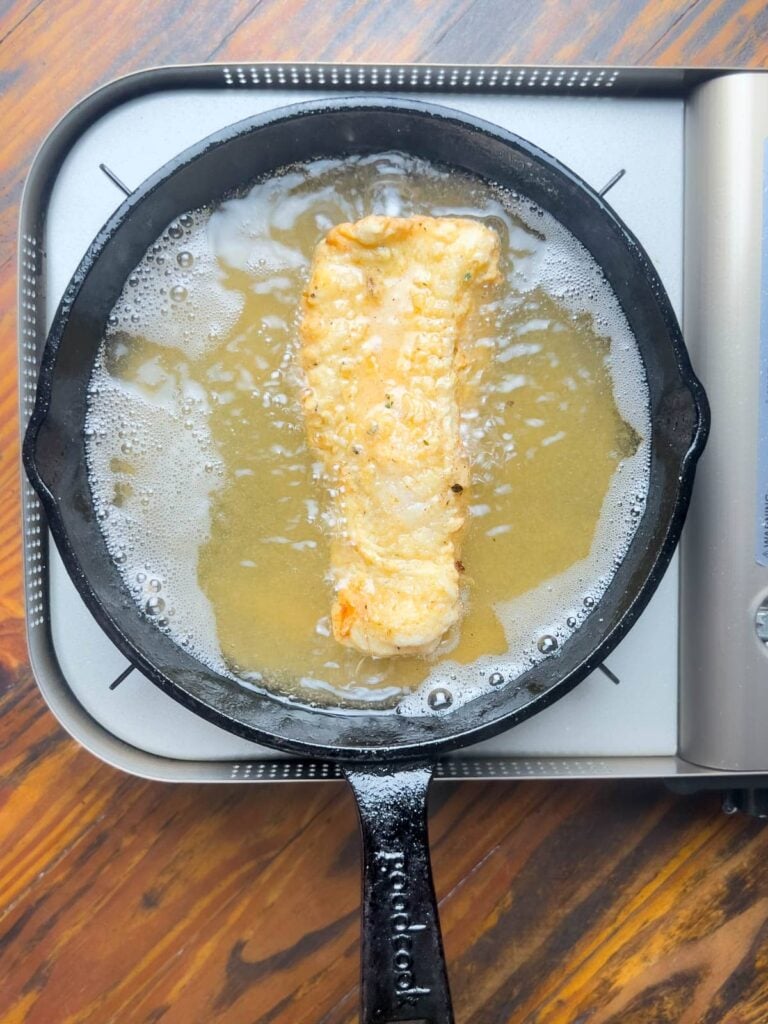
6. Fry the Fish: Add oil to a skillet and heat to 350° F. You want the oil to be a couple inches deep in the pan so the fish is mostly submerged. Add the fish and cook until both sides of the crust are golden, the center hits 145°F, and the fish flakes with a fork.
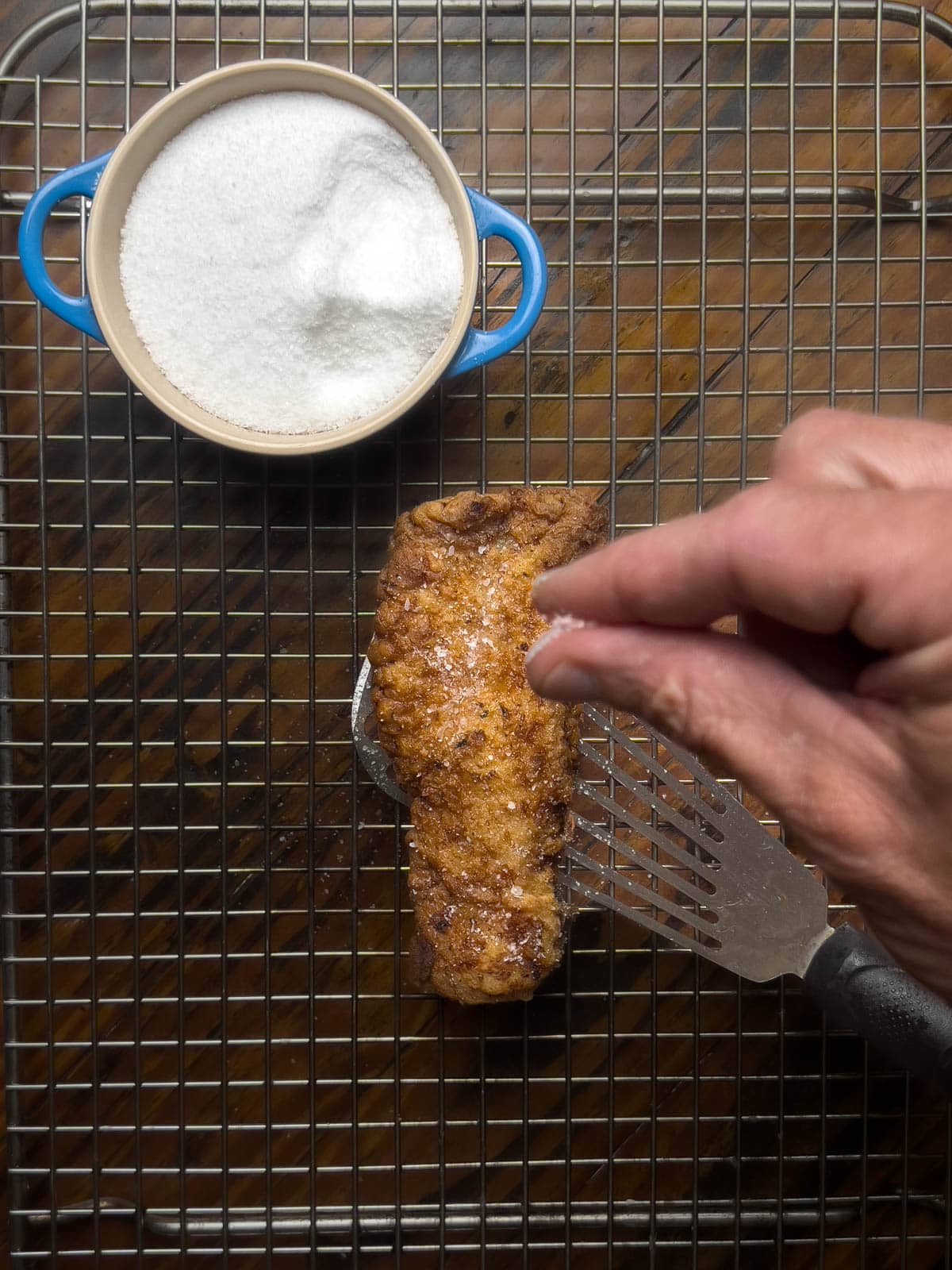
7. Season: Remove the fried catfish from the pan and place it on a wire rack to drain. Season with salt and pepper right away.
Chef Tips & Troubleshooting
- Trim the Fat. The most common complaint about catfish is its muddy flavor. Since this off-putting taste is in the fish’s fat, trimming it away gives you the cleanest-tasting fish possible.
- Fry at the Right Temperature. To avoid a soggy piece of fish, fry at a consistent heat that’s not too low or too hot. For this breading, the best frying temperature is 350°F. Let the oil climb back to 350°F between batches so the fish cooks up crispy rather than soggy.
- Choose the Best Frying Vessel. Choose a heavy-bottomed pan such as a cast iron skillet or Dutch oven when cooking on your stovetop. These vessels retain heat better and do not develop hotspots on the bottom cooking surface, which can lead to burning.
- Cook in Batches. Whether you’re pan-frying or deep-frying, avoid crowding the pan or fryer. This can sometimes cause the oil’s temperature to drop significantly, creating a mushy crust.
If you’re feeding a crowd, keep a sheet pan with a wire rack in a 200°F oven and stack the fillets there as they come out of the oil, uncovered. They’ll hold crisp for twenty minutes or so, long enough to fry the last batch and sit down with everyone else. - Make Ahead and Freezer Friendly. The catfish fillets can be breaded a few hours ahead of time. The best way to do this is to place fillets on a wire rack fitted into a baking tray. This will create airflow around the fillets and eliminate any excess moisture.
- Freezing Breaded Fillets: Layer the breaded fillets between sheets of parchment paper, place them in an airtight container, and freeze for up to two weeks. For the best results, cook the fish straight from frozen, adding a few minutes to allow it to cook through in the center.
- Use the Right Amount of Oil: You need 1-2 inches in your pan, just enough to cover the fish fillets. Do not overfill your pan or fryer with oil, as this will cause the hot oil to overflow when cooking.
Fried Catfish Recipe FAQs
What’s the best way to store and reheat leftover pan-fried catfish?
Place leftovers in an airtight container in the fridge for up to 3 days and reheat on a wire rack at 400°F in the oven or air fryer for 8 to 10 minutes. Do not microwave, as it will make the crust soggy.
What can I use instead of cornmeal in this fried catfish recipe?
My favorite combination is a 1:1 combination of all-purpose flour and cornstarch. It fries into a thin, crisp shell without the grit cornmeal leaves behind. Potato starch or rice flour work in place of cornstarch if that’s what’s in the pantry. Panko gives you a crunchier, craggier crust but a heavier one. Straight flour on its own will work in a pinch, though it browns fast and softens faster.
Why did my breading fall off my fried catfish?
It’s almost always surface moisture on the fish. Wet fish can’t hold a dry coat, so the breading floats off the second it hits the oil. Pat the fillets bone-dry before the first dredge — frozen fish especially, since it sheds more water than fresh.
After that, the double dredge does the work: flour, egg wash, flour again, with the first dry coat giving the egg something to grab. Leave them alone for the first 2 to 3 minutes in the pan as moving the fish too early is the other half of the problem.
How do you know when fried catfish is done?
The USDA recommends cooking the fish until it registers 145°F in the thickest part of the fillet. But if you don’t have a thermometer, there are a couple of visual clues you can use to determine if it’s done. Watch the oil first. You should see the hard bubbling settle into a lazy simmer as the moisture cooks out. The fillet will float higher and feel light when you lift it with tongs.
The crust turns deep golden and sounds crisp against the side of the pan. Then slide a fork into the thickest part and twist gently. Done catfish separates into clean white flakes with no resistance and no translucent, jellied look in the center. If it holds together or looks glassy, give it another minute. For most ¾-inch fillets at 350°F, you’re looking at 3 to 4 minutes a side.
Do you have to soak catfish in buttermilk before frying?
No. Buttermilk tenderizes slightly and helps breading stick, so it’s a fine step if you have the time, but it won’t fix muddy flavor, which is the reason most people do it. That taste lives in the belly fat and the dark strip of lateral-line meat, and it stays there no matter how long the fish sits in the bowl. Trim both away, and the problem is solved. For this recipe, I skip the soak entirely, since a thin egg-and-milk wash grips better between two coats of flour than thick buttermilk does.
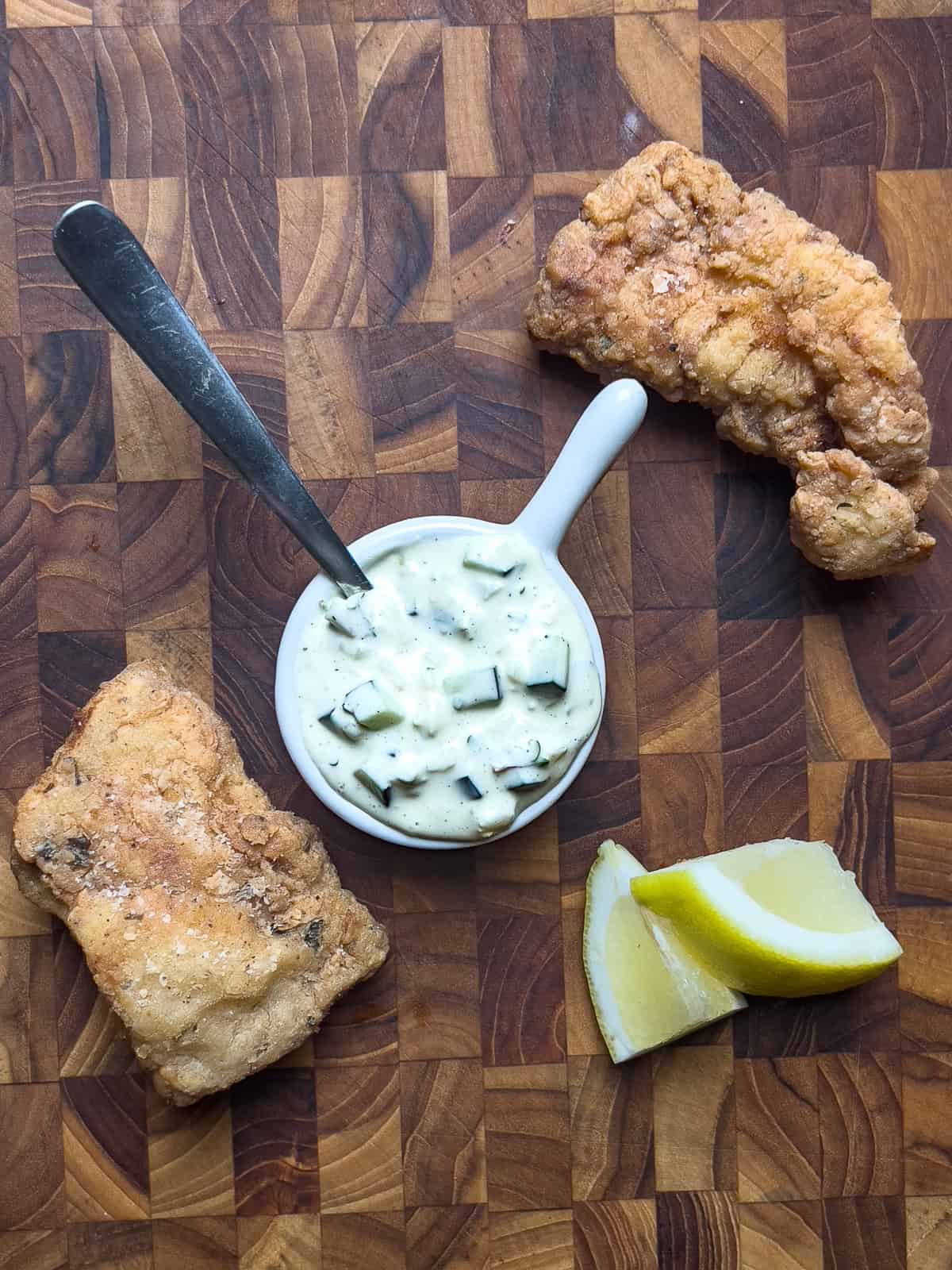
What to serve with Southern Fried Catfish
- You can eat fried catfish on its own or serve it with a few of my favorites, such as homemade tartar sauce, hush puppies, collard greens, and coleslaw. When I’m starving, I place the fish on top of fried cornbread or a soft roll for an open-face fish sandwich.
- Lemon wedges and a bottle of Louisiana hot sauce belong on the table either way! The acid cuts the fat and wakes the whole plate up.
More Easy Fish Recipes
Tried this Recipe? Please leave a ⭐⭐⭐⭐⭐ rating in the recipe card below and leave a comment. I love to hear from readers! And if you have any cooking questions or want to share your latest food photos, give me a shout on Instagram at @larry__white.
Crispy Fried Catfish (No Cornmeal)
Ingredients
- 1 pound catfish, skinless and trimmed of fat
- oil for frying (canola oil, peanut oil, or other high smoke point oil)
For the Breading
- ⅔ cup all-purpose flour
- ⅔ cup cornstarch
- 2 teaspoons dried thyme
- 2 teaspoons dried oregano
- 2 teaspoons ground black pepper
- 1 ½ teaspoons smoked paprika
- ¾ teaspoons garlic powder
- ¾ teaspoons onion powder
- ½ teaspoon salt, plus more for seasoning after cooking
For the Egg Wash
- 3 eggs
- ¼ cup milk or buttermilk
Instructions
- Add a few inches of vegetable oil to a large, high-sided frying pan or fill your deep fryer to the manufacturer’s recommendations.
- Heat the temperature of the oil to 350 degrees F.
- Add all of the breading ingredients to a bowl. Stir until combined and set aside.
- In another bowl, add the eggs and milk. Whisk until they are smooth and combined.
- Coat the catfish pieces in the flour mixture.
- Dip the catfish into the egg wash mixture. Then, dredge fish with the flour mixture one last time.
- Cook until golden brown on both sides and cooked through.
- Place on a wire rack fitted with a baking sheet or lined with paper towels to let the excess oil drip. Season immediately with fine-grain salt.
- Serve warm with hot sauce, tartar sauce and lemon wedges.
NOTES
- Dipping Sauce: Try serving with my homemade Southern tartar sauce.
- Regulate the oil temperature: Hold the oil at 350°F. If it drops, the crust can turn soft and greasy. Fry in small batches, letting the oil recover between batches.
- Don’t trap steam: After frying, rest catfish on a wire rack (not paper towels) so the crust stays crisp. Salt immediately.
- Make-ahead breading: Bread the fish up to 2-3 hours ahead, keep on a rack in the fridge, uncovered.
- Avoid muddy flavor: Trim any visible catfish fat before breading.
Nutrition
Nutrition information is automatically calculated, so should only be used as an approximation. Nutrition is per serving.




1 thought on “Crispy Fried Catfish Recipe”
Another good one!