Fried Venison Backstrap is the fastest and my favorite Southern way to cook a deer loin. Sliced into medallions, dusted with fine-ground cornmeal, and fried hot in cast iron until the crust is crispy and the middle stays rosy. They fry up in less than 5 minutes, which is one of the best parts. There’s no mallet, no buttermilk soak, and no overnight anything. Just one of the most tender cuts on the deer, cooked a traditional way.

Quick Look: Fried Venison Backstrap
- Ready in: About 20 minutes + 30 minutes to allow meat to come to room temperature
- Serves: 4
- Calories: 328
- Main ingredients: Venison backstrap, cornmeal, salt, and pepper
- Cooking method: Pan-fry on the stove.
- Why this recipe works: Cornmeal crisps faster than flour, so the crust sets before a lean cut has time to dry out. No pounding, no soaking, no marinade. Just cook half-inch medallions in 350°F oil quickly, and pull at 130°F for a rosy medium-rare.
SUMMARIZE & SAVE THIS CONTENT ON
When I’m exhausted or need something quick, the last thing I want to do is deal with anything that takes planning. This easy Appalachian-style recipe is it. It’s just like most of our grandpa’s used to make at deer camp. All it requires is slicing the backstrap into medallions, dusting them with cornmeal, and frying them quickly in a pan.
The cornmeal plays almost as much of a part as the deer meat. I get mine from a mill here in the Lowcountry, and real stone-ground meal fries up nutty and crisp in a way the generic stuff in the box never will. It also crisps faster than flour, so the crust sets while the middle is still pink. That’s the whole reason this works on a cut this lean.
One of the keys to cooking thinly sliced meat, or meat in general, is to let it come to room temperature before cooking. You’ll get a better sear on the meat faster, reducing the risk of overcooking. So, after you dust the deer meat, let it sit for 30 minutes to an hour.
Serve it however you want, but I love making it into sandwiches with Parker House dinner rolls or buttermilk biscuits. If you’re looking for more classic comfort food, check out more of my best venison recipes, or if you want to stick with what we call the “sweet meat,” take a look at my backstrap and venison tenderloin recipes.
Why This Recipe Works
Most fried venison recipes borrow their technique from fried venison cube steak, which is made from tougher cuts. But venison backstrap isn’t tough, so half those steps are solving a problem this cut doesn’t have. Here’s what I do differently and why it matters.
- No pounding or tenderizing needed. A mallet breaks down connective tissue, and backstrap barely has any, so all pounding does here is press out juice and thin the meat past the point where you can still pull it medium-rare.
- Cornmeal instead of wheat flour. Stone-ground cornmeal is already dry and granular, so it crisps in about two minutes instead of the four a flour-and-egg crust needs, and those two minutes are the difference between a pink center and a grey one.
- Pull at 130°F. Carryover brings it to about 135°F while it rests, and venison has no intramuscular fat to hide behind, so every degree past that is moisture you don’t get back.
- About twenty minutes, start to finish. There’s no buttermilk soak or marinade, which means this works on a weeknight or on a camp stove with a cooler and a cast-iron pan.
Notes on Ingredients
See the recipe card for full information on ingredients and quantities.
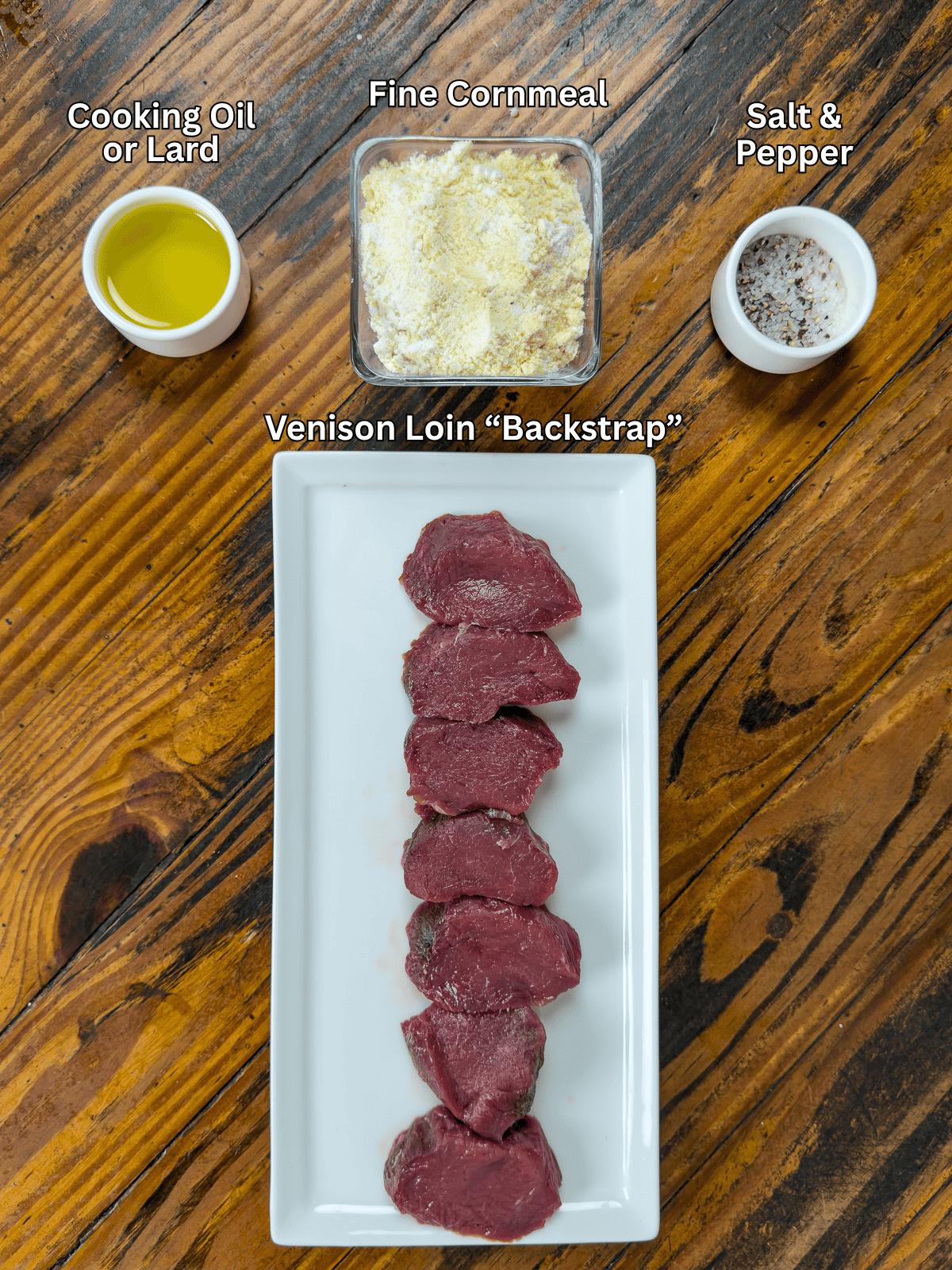
- Venison backstrap. Plan on a pound and a half for four people. Trim the silverskin from the venison backstrap before you do anything else; it won’t render in two minutes in a skillet, and it’ll curl the medallion off the pan surface. If your backstrap is a little soft from thawing, put it back in the freezer for 20 minutes before slicing. Half-frozen meat gives you clean, even half-inch medallions. Cut across the grain for the most tender results.
- Cornmeal. Buy finely ground cornmeal, not corn flour or coarse-ground. Corn flour will become pasty. Coarse-ground cornmeal has trouble sticking to the meat and tends to burn faster. I use a local mill right here in the Lowcountry of South Carolina. It’s also naturally gluten-free, if that matters at your table.
- Frying oil: Peanut, canola, or pork lard work best. You need something that’s still stable at 350°F, which rules out olive oil and butter on their own, since they both scorch well below that temperature and you’ll taste it.
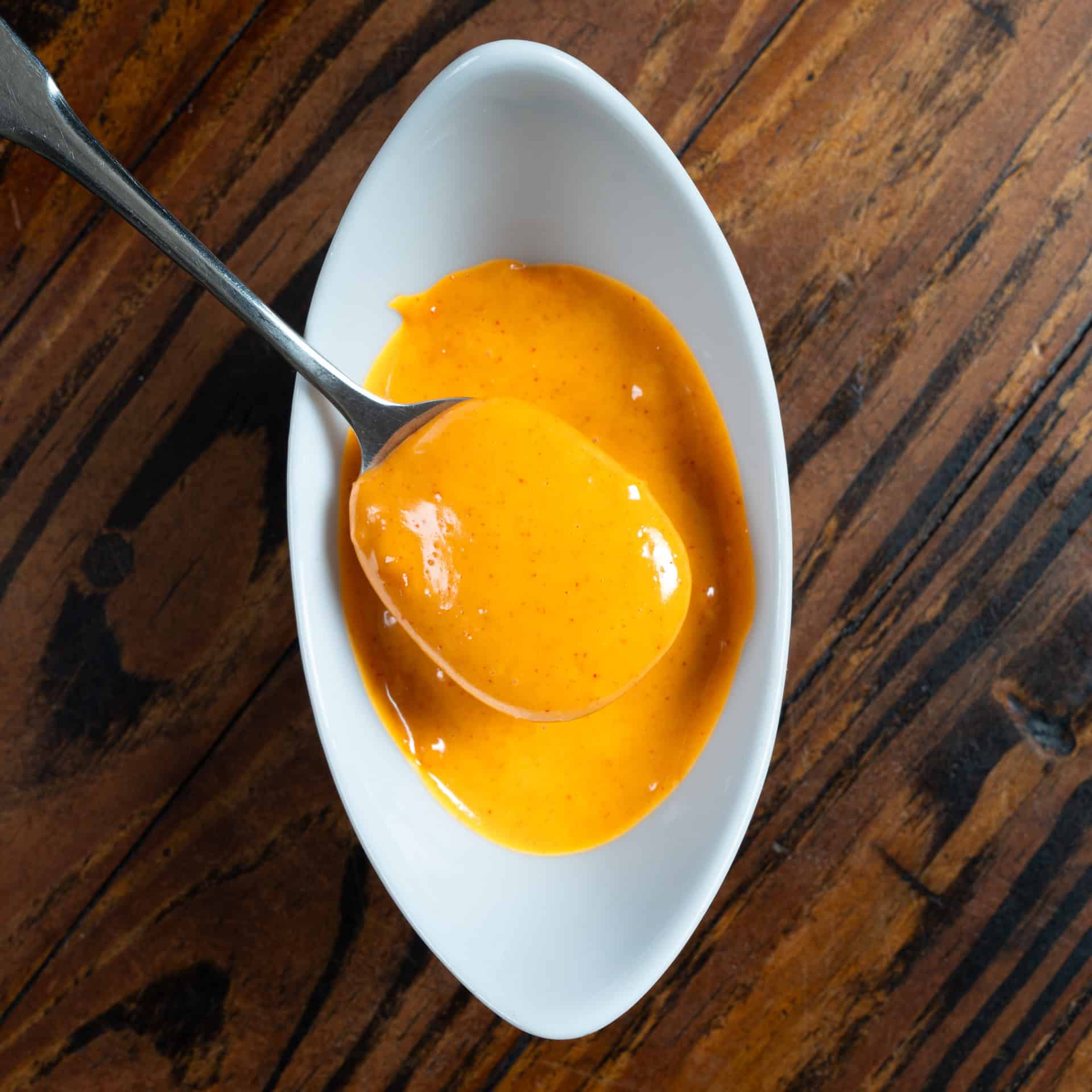
- For serving: A sauce like a venison skillet gravy, currant jam, hot honey, or any other sauce you enjoy. For a modern take, try my gochujang aioli to spice things up.
Substitutions and Additions
- Venison tenderloin. This cut works the same way, but they are smaller in diameter, so you’ll get medallions closer to silver-dollar size. Cut the venison tenderloin thicker, closer to three-quarters of an inch, or they’ll overcook before the crust gets crispy.
- Round or sirloin steaks. This is where you’d use a meat mallet or tenderizer. Hindquarter cuts do real work on the animal, and they’ve got the connective tissue to prove it. Pound venison round steaks and sirloin steaks to a quarter-inch thick, then cook them through. These cuts also work well to make venison stew.
- Spicy flavor. Add half a teaspoon of cayenne, or swap in a Cajun blend in place of salt and pepper. The cornmeal crust is thin enough that the flavor easily comes through.
- Half cornmeal, half flour. If you want a softer, more familiar crust, closer to what most folks picture when they hear fried deer steak, cut the cornmeal with an equal amount of all-purpose flour. You lose some of the crackle and the corn flavor, but the coating clings a little better. It does take a few seconds longer to crisp, so watch your internal temperature.
How To Make Fried Venison Backstrap
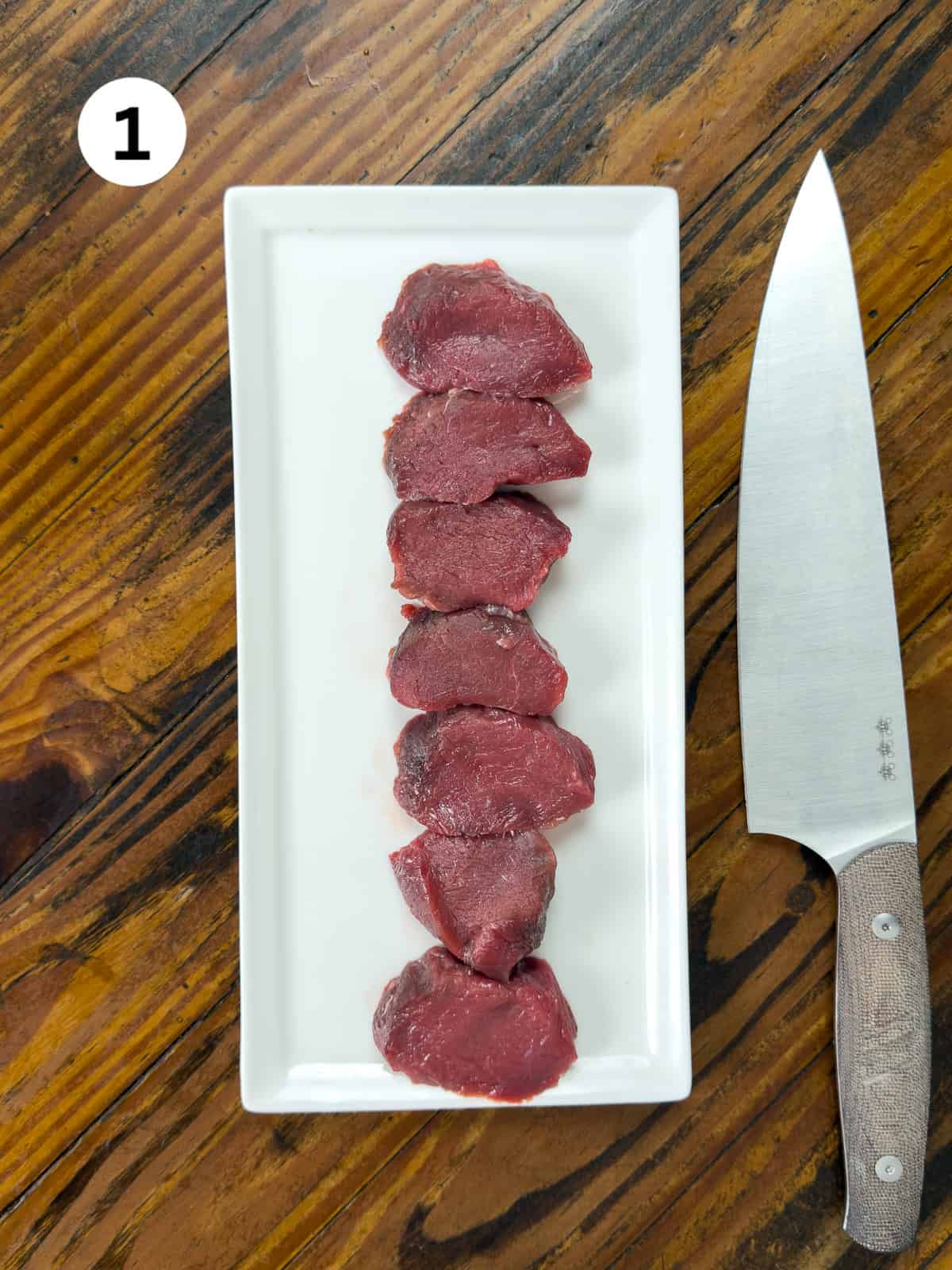
1. Prep the Venison. Slice the backstrap into 1/2 inch medallions.
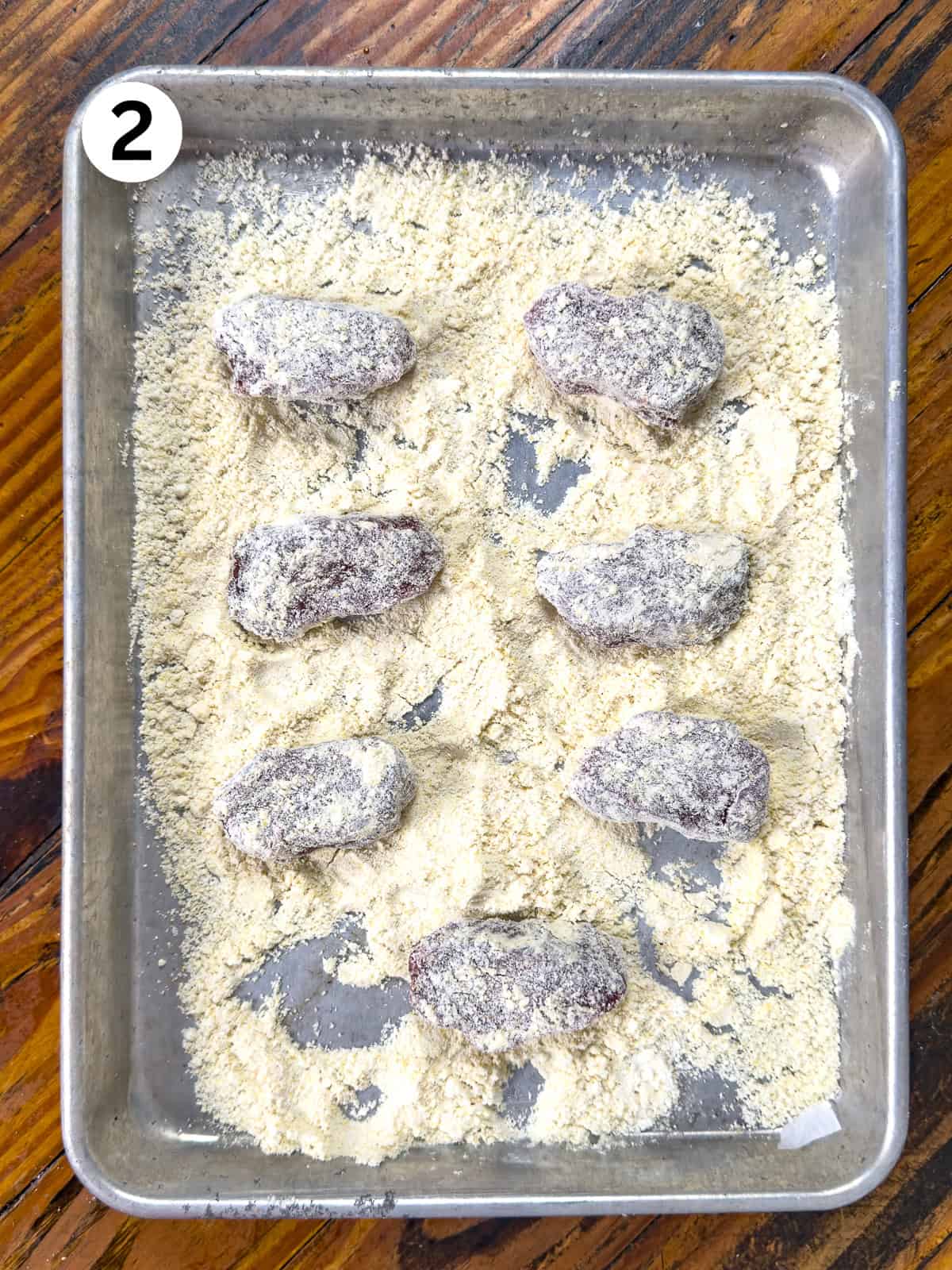
2. Rest: Season with salt and pepper. Dust both sides of the medallions with cornmeal. Let sit out at room temperature for 30 minutes to an hour before cooking.
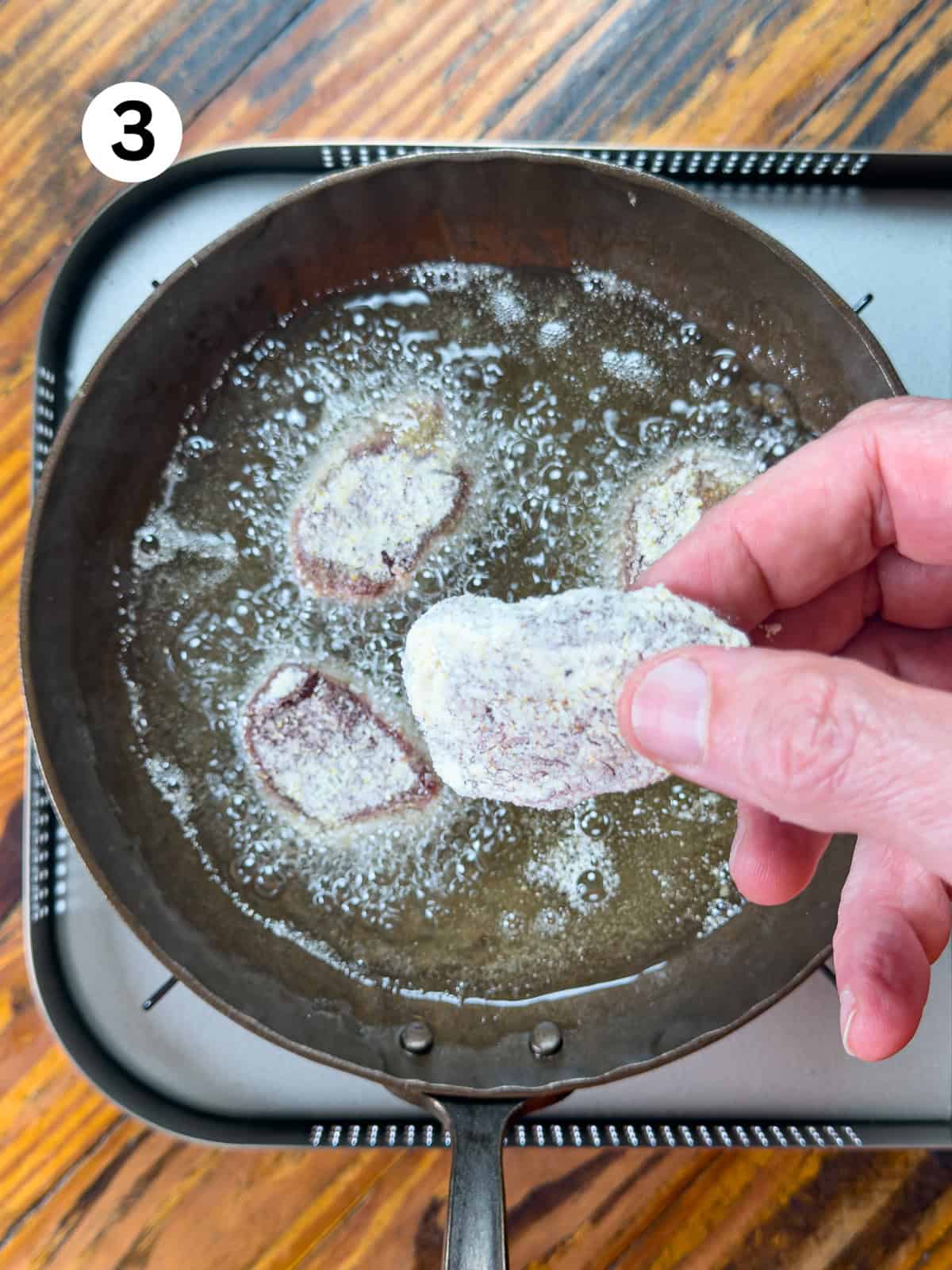
3. Cook: Heat a heavy skillet over medium-high heat with around a 1/2 inch depth of cooking oil or lard. Lightly season the meat again with salt and pepper. Add the venison to the pan and fry it to your desired cooking doneness.
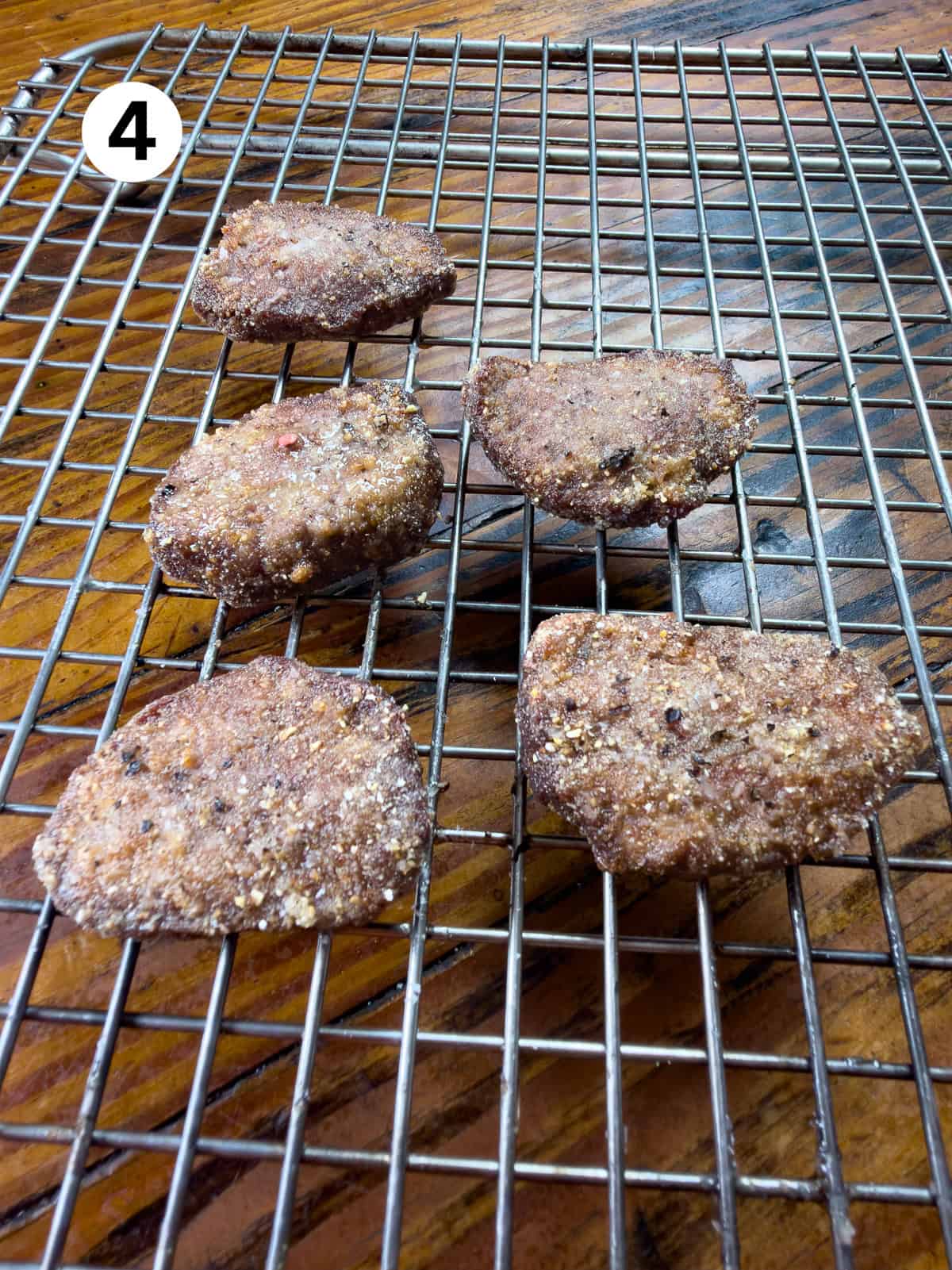
4. Drain and Serve. Remove the meat and set it aside on a rack to drain. Season one final time lightly with salt and pepper. Serve with venison gravy, currant jam, hot honey, or another favorite sauce.
Chef Tips & Troubleshooting
- Dry the meat. Pat the medallions with a paper towel right before dredging. Surface moisture turns the first layer of cornmeal into paste, which will slide off in the pan and take the rest of the crust with it. This is the single most common reason breading fails.
- Let the meat sit out for thirty minutes first. Cold meat straight from the fridge takes longer to cook, which means more time in the pan. And more time in the pan means overcooked meat. Do this resting period after you coat in the cornmeal. This will help ensure that you get a crisp crust.
- Test the oil without a thermometer. Drop a pinch of cornmeal in. It should sizzle and float immediately. If it sinks and bubbles slowly, the oil’s too cool and your crust will absorb grease instead of crisping. If it browns instantly, back the heat off.
- Fry in batches. Cook three or four medallions at a time in a 12-inch skillet for the best results. Crowding the pan drops the oil temperature by fifty degrees or more. Give the oil a minute to recover between batches. If the oil starts to look low, add a little to bring the level up. Just be sure you’re cooking at the right temperature before starting again.
- Don’t cook by time. Times vary with your pan, your stove, and how thick you actually cut. Flip when the color just starts to develop on the bottom.
- Rest on a wire rack, never paper towels. Paper traps steam under the meat and softens the crust you just spent two minutes building. A rack lets air move underneath. Five minutes is enough, and carryover brings the interior from 130°F to about 135°F while it sits.
- Storage: Place leftovers in an airtight container and refrigerate for up to 3 days or freeze for up to 2 months. To freeze, lay them flat on a sheet pan to freeze solid, then bag them so they don’t fuse into a block. They aren’t as good as freshly prepared, but it works.
Fried Venison Backstrap FAQs
Can I make fried venison backstrap in advance?
Not really, and I’d rather tell you that than watch you waste a backstrap. What you can do is dredge up to 30 minutes ahead and hold the medallions, uncovered, on a rack in the fridge. Past that, the cornmeal draws moisture from the meat, making it turn pasty, so you’re better off dredging fresh. If you’re cooking for a crowd, fry in batches and hold them on a rack in a 200°F oven instead. That’ll buy you twenty minutes without hurting anything.
What’s the best way to reheat leftover fried deer backstrap?
For best results, reheat for 5- 7 minutes in an oven or air fryer at 375°F. That’s the only method that brings the crust back. Skip the microwave — it softens the coating and keeps cooking the meat at the same time, which can turn a medium-rare medallion into well-done in about 90 seconds. Remember, the meat came out of the pan medium-rare, so anything you reheat will move up a step no matter how careful you are. If you know going in that you’ll have leftovers, pull that batch at 125°F instead of 130°F and give yourself the room.
What temperature should you fry venison backstrap?
Get your oil to 350°F and pull the meat at 128–130°F. Those are the only two numbers that matter. At 350°F, the cornmeal crisps quickly so the crust and the interior finish together, which is the whole trick. Below about 325°F, the coating soaks up grease before it sets; above 375°F, it browns while the center is still cold. On the meat side, pull at 128–130°F and let carryover carry it to about 135°F while it rests. Venison has almost no intramuscular fat to hold moisture, so every degree past that is dryness you can’t undo.
Why did my breading fall off my pan-fried venison backstrap?
Wet meat is the most common cause. Pat the medallions dry right before adding the cornmeal. After that, it’s the oil temperature. The oil needs to be hot enough for the crust to set on contact, so test with a pinch of cornmeal and make sure it sizzles immediately. To maintain the oil’s heat, fry only three or four at a time so the pan doesn’t lose temperature when the meat goes in. Last, leave them alone until the color climbs a third of the way up the side. If there’s resistance when you nudge it, the crust hasn’t set yet, so let it cook a bit longer before turning.
Do you have to pound venison backstrap before frying?
No, and I’d argue you shouldn’t. Nearly every fried venison recipe tells you to mallet the meat to a quarter-inch, but that instruction comes from chicken-fried steak, which was built around cheap, hard-working cuts like round. Pounding breaks down connective tissue, and round has plenty of it. Backstrap is the loin. It stabilizes the spine and doesn’t do much heavy work, so it’s tender straight off the animal with barely any connective tissue to break down. All a mallet does here is press out juice and thin the meat past the point where you can pull it medium-rare. Slice it and leave it alone.
What to serve with Fried Venison Backstrap
- Pan gravy. The browned cornmeal stuck to the bottom of the pan is the best thing in this recipe, so don’t wash the skillet after cooking the venison. Pour off all but a couple of tablespoons of fat, whisk in the flour, add the whole milk, and scrape everything loose as it thickens. Add plenty of black pepper and salt as needed.
- Johnny Cakes. Since you’re already using cornmeal, make a batch of hoe cakes to turn this meal into a bona fide Southern dinner.
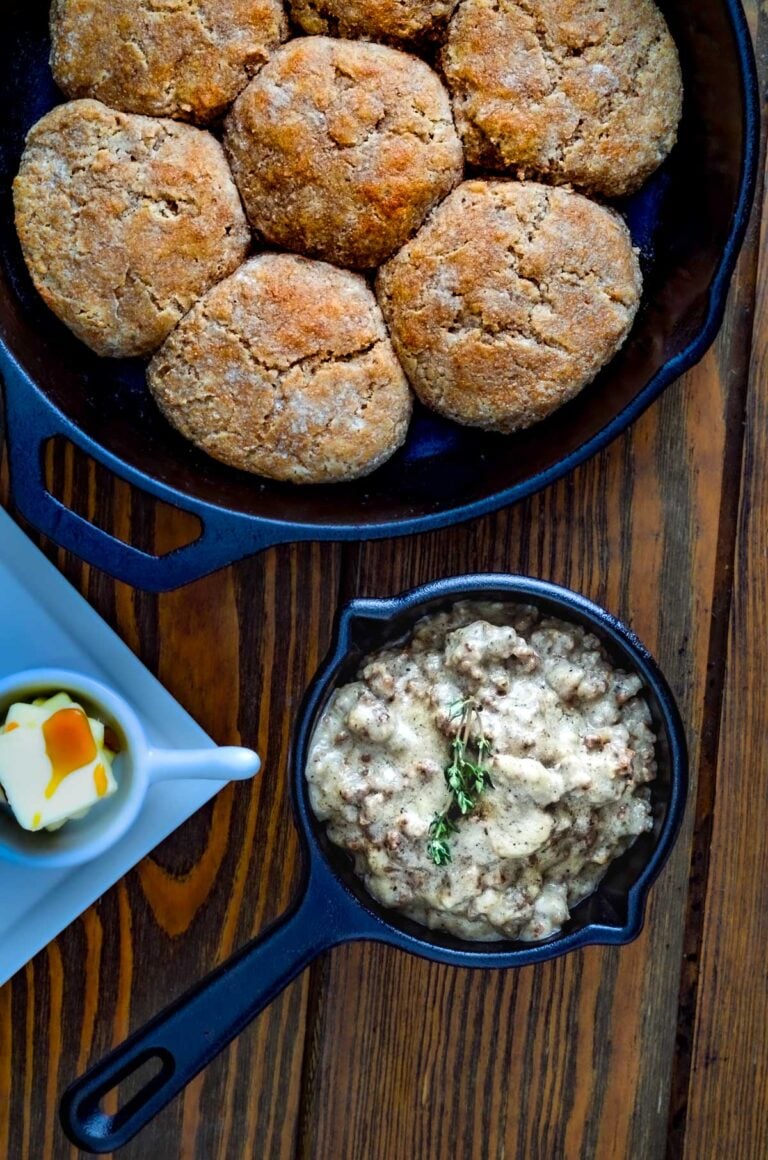
- Buttermilk biscuits. Split one, lay a medallion in it, spoon gravy over the top. This is how I eat it at camp more often than I eat it on a plate.
- Hot honey, pepper jelly, or blueberry sauce. If you want the sweet-and-savory combo instead of a savory gravy, this works great with fried venison. Drizzle hot honey or my blueberry sauce for venison over the medallions. A dollop of red pepper jelly on your biscuit is also a tasty combo.
- Mashed potatoes and a green. The obvious dinner plate. This mushroom potato gratin makes a nice change for a potato dish, and this summer squash slaw is a no-cook side that comes together quickly.
More Venison Backstrap Recipes
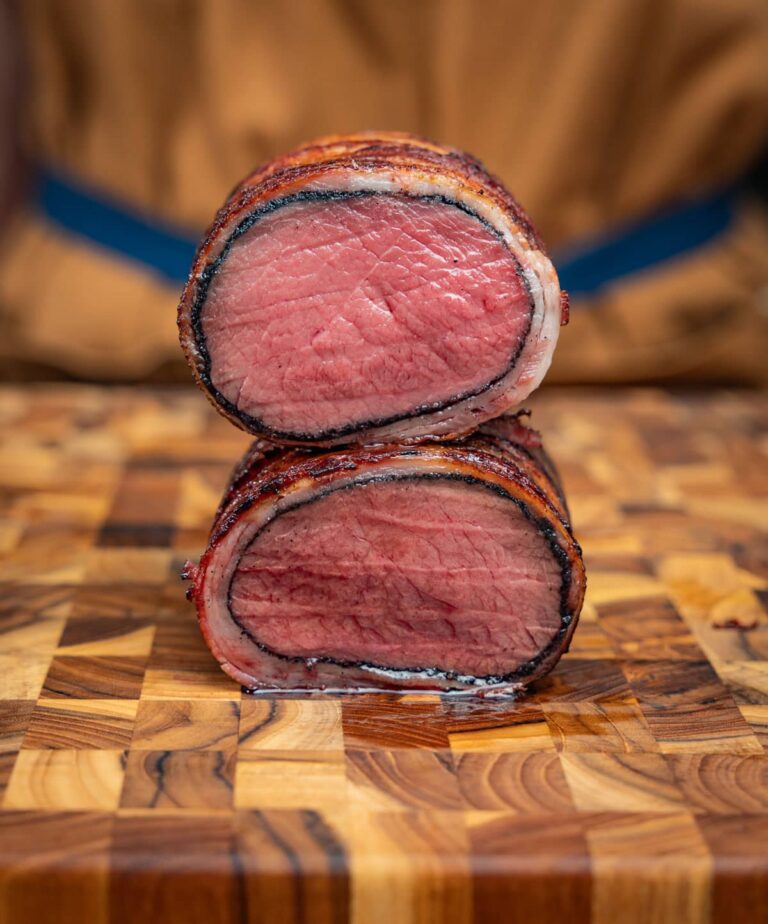
- Bacon Wrapped Venison Backstrap
- Smoked Venison Backstrap
- Venison with Mushroom Sauce
- Venison Medallions

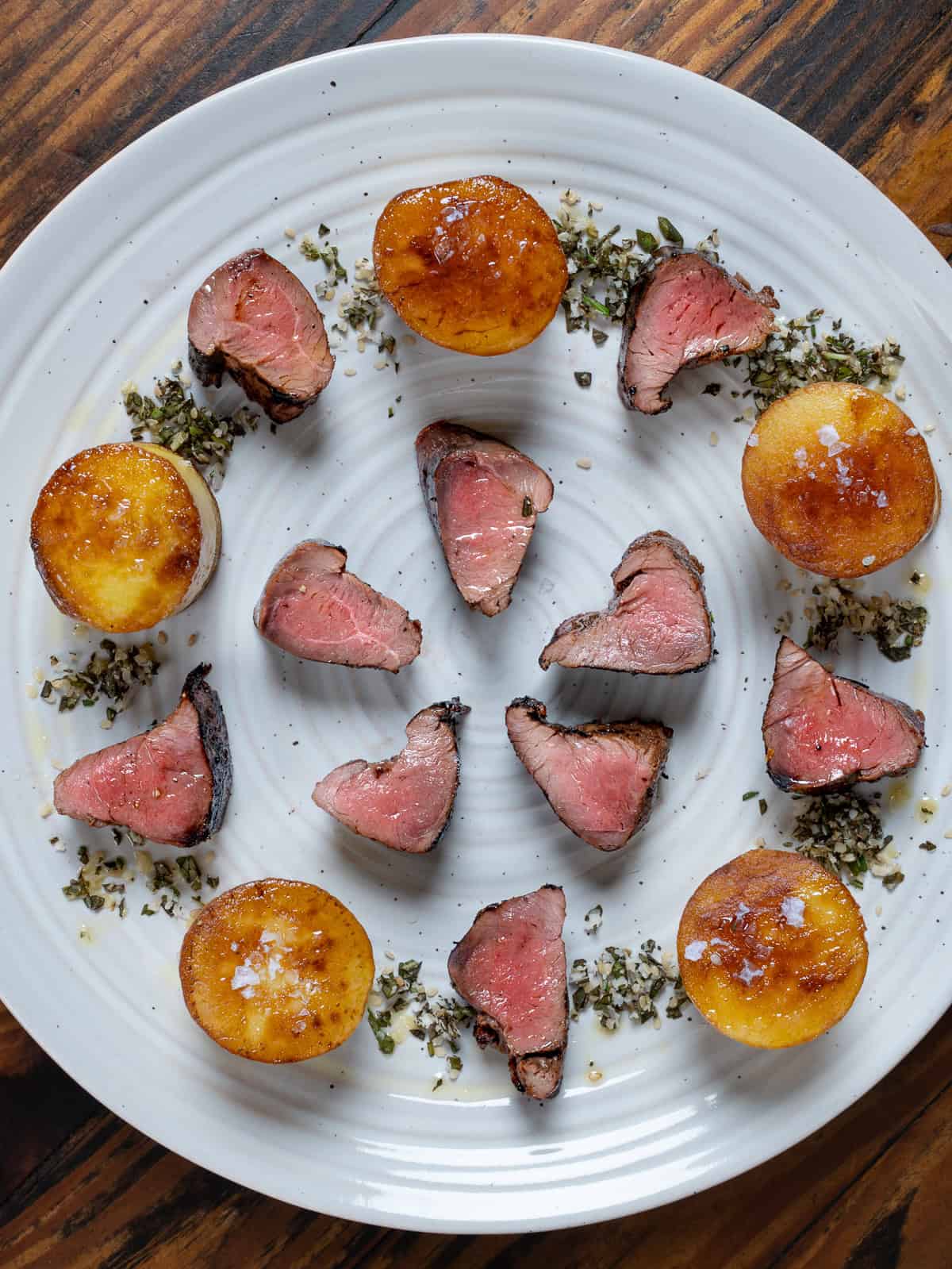
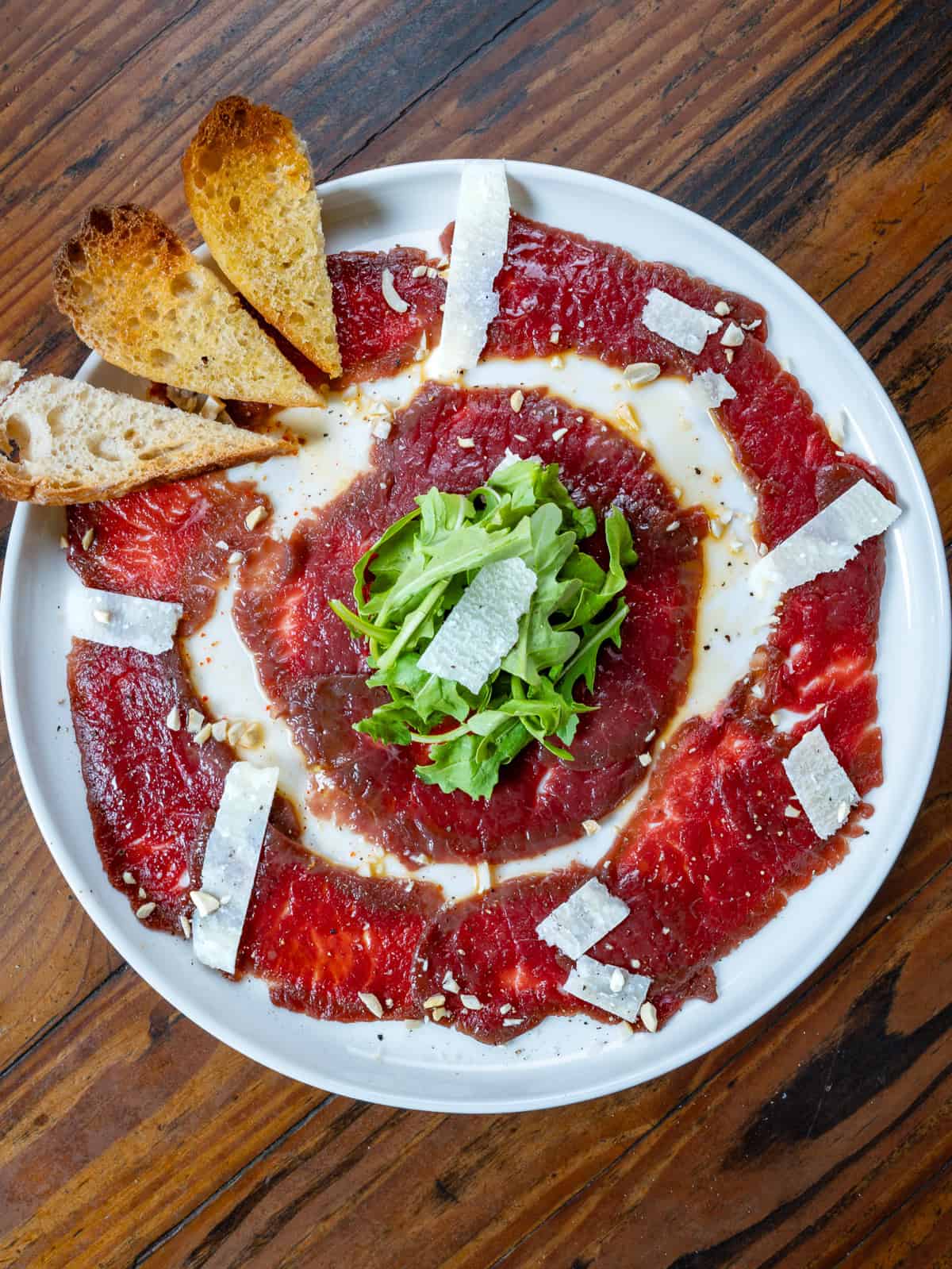
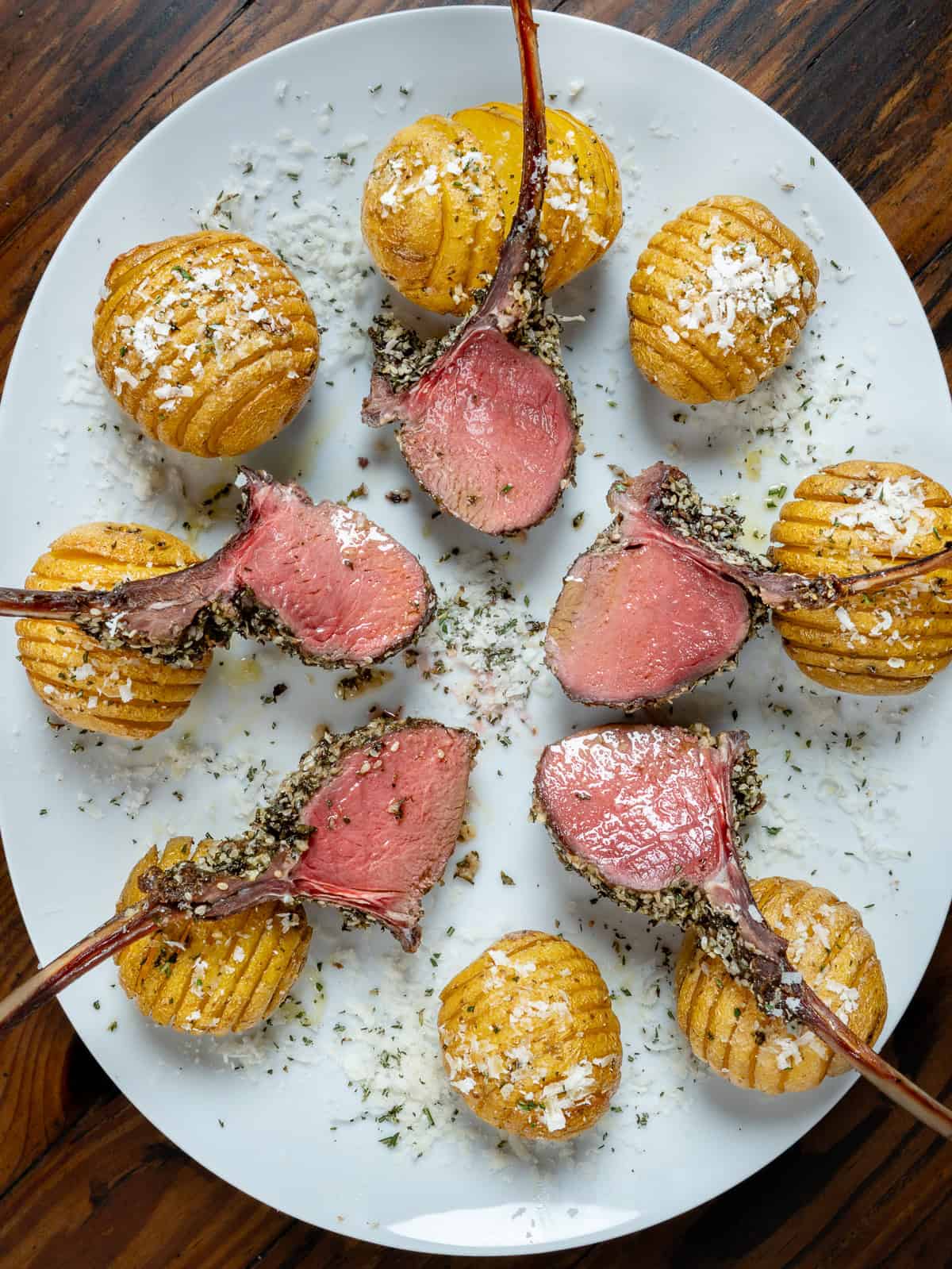
Tried this Recipe? Please leave a ⭐⭐⭐⭐⭐ rating in the recipe card below and leave a comment. I love to hear from readers! And if you have any cooking questions or want to share your latest food photos, give me a shout on Instagram at @larry__white.
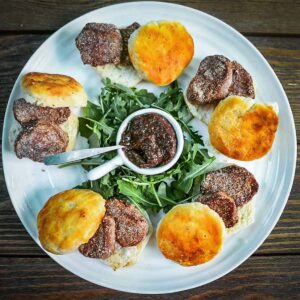
Fried Venison Backstrap With Cornmeal Crust
Ingredients
- 12 ounces Venison backstrap, (cut into 1/2 inch medallions)
- Salt and Black Pepper
- ½ cup Corn Meal (fine ground)
- ¼ cup Cooking oil, (for frying the venison)
For Serving
- Venison Gravy
- Red Pepper or Jalapeno Jelly
- Hot Honey
Instructions
- Slice the backstrap into 1/2 inch medallions.
- Season both sides with salt and pepper. Then dust with your favorite cornmeal. Let sit out at room temperature for 30 minutes to an hour.
- To a deep-sided skillet, add enough oil to coat the bottom to a depth of around 1/2 inch. Heat the oil to 350 ℉ (around medium to medium-high heat.
- Lightly season the meat again with salt and pepper.
- Fry the venison to your desired doneness. Set aside on a plate. Season lightly with salt and pepper if desired.
- Serve with warm biscuits, pepper jelly or your favorite topping.
NOTES
- Let the venison come to room temperature. After dusting the medallions with cornmeal, let them sit out for about 30 minutes to 1 hour so they sear faster and are less likely to overcook.
- Slice the backstrap evenly. Cut it into about 1/2-inch medallions so the pieces cook at the same rate in the skillet.
- Use a heavy skillet. Heat the pan to medium-high and add enough oil to coat the bottom by about 1/2 inch.
- Season with fine-grained salt and pepper. Fine-grained salt will stick to the meat and breading better. Coarse salt and pepper tend to fall off.
- Cook to your preferred doneness. The recipe leaves the exact fry time open, so go by the medallions’ thickness and pull them as soon as they reach your preferred doneness to keep the backstrap from drying out.
Nutrition
Nutrition information is automatically calculated, so should only be used as an approximation. Nutrition is per serving.