
There’s something nostalgic about deer liver and onions. It’s a throwback dish that has been passed around deer camp kitchens for generations. This Deer Liver Recipe is not your granddad’s skillet-fried liver, though. My version of venison liver and onions is thick liver steaks seared until crisp on the outside and served sliced with tempura onion rings and a caramelized onion aioli.

I created this recipe for people who think they don’t like liver. Every time I prepare it for new hunters, they are shocked by how clean it tastes. Here I forgo the standard preparation of thinly sliced liver, cooked well done with sautéed onions. Mine is made with crispy-seared deer liver steaks, golden-brown onion rings, and a caramelized onion aioli to bring it all together.
While some hunters avoid deer liver because of its pungent flavor, that usually comes from age, poor handling, or overcooking. With careful prep and cookery, the liver becomes more than an afterthought. So whether you’re hesitant about eating liver or looking for a new way to use the whole liver from your deer, this recipe is a great one to try.
If you want to try another preparation for deer liver, try my homemade venison liver pâté. And if you saved the heart, check out my slow-cooked deer heart, stuffed, wrapped in bacon, and braised until fork-tender.
Why This Recipe Works
- Cut thick and seared like a steak. Most recipes slice the liver thin before cooking. This leaves you almost no margin for error and often results in overcooking. I cut it into steaks 1 to 1½ inches thick, so the outside has time to build a deep brown crust while the center stays tender and juicy. It gets sliced after it rests, not before.
- A buttermilk soak that helps pull out the blood. Liver is full of small blood vessels, and the blood left in them is where most of the strong, metallic flavor comes from. A 2-4 hour soak draws that blood out, and the mild acidity of buttermilk mellows what remains better than plain milk or water does.
- A dry exterior and a light dusting of flour. Wet liver steams in the pan and turns gray instead of browning. Pat it completely dry, then dust with just enough flour to coat. This adds a little extra flavor and color to the crust. So you get a thin, golden crust instead of a heavy breading.
- Onion two ways. Instead of a pile of soft sautéed onions, you get onion rings fried in a cold tempura batter for crunch, and a caramelized onion aioli for sweetness. Liver is lean and has a soft texture, so these components add texture and richness.
Notes on Ingredients
See the recipe card for full information on ingredients and quantities.
- Venison liver. You need about 11/2 – 2 pounds of liver, which is roughly all of the liver from an average whitetail. Liver from a young deer, a doe, or a yearling is the mildest, and liver from an older buck benefits from the longer soak described in the tips below. Frozen liver works well as long as it was fresh when it went into the freezer. For cleaning deer liver, remove the thin outer membrane and any large veins or tough connective tissue.
- Buttermilk. This is my first choice for soaking because its mild acidity mellows the flavor while the soak draws out the blood. Whole milk will work if that is what you have, but the result is not as clean-tasting. Plus, if you have any extra buttermilk, you can use it to make my Southern fried cornbread, which goes great with this dish.
- Cooking fat. Use rendered bacon fat or a neutral oil with a high smoke point, such as avocado or grapeseed oil, to cook the liver and add to the onion aioli. I like to use bacon fat because it adds a smoky, richer flavor to the dish. You will also need about 3 cups of a high smoke point oil for frying the onion rings.
- Onions. The aioli uses a red onion, which turns sweet and jammy as it cooks down with the vinegar and honey. For the onion rings, use a red onion or Vidalia (sweet) onion and cut it into ¼ inch rings so they cook through before the batter gets too dark.
- Sparkling water or beer. The bubbles are what make the batter light and crisp. Sparkling water keeps the flavor neutral, while beer adds a slightly malty taste and a deeper golden color. Whichever you use, it needs to be ice cold, because a cold batter fries up crisp, while a warm one turns heavy and bready.
Substitutions and Additions
- Classic liver and onions. For a traditional venison liver and onions, make a double amount of the onion mixture for the aioli but stop before it goes into the blender. Once the vinegar, honey, and butter have cooked down, spoon the warm caramelized onions straight over the seared liver.
- Open-faced sandwich. Spread the onion aioli on a slice of toasted sourdough, layer on the sliced liver, and top with a few onion rings and pickle slices. This is my favorite way to serve it to someone trying liver for the first time. For more ways to turn venison into a great-tasting sandwich, try my venison sloppy joes.
- Other livers. The same method works for elk and antelope liver, and for calf liver from the store. Elk liver is larger, so cut it into steaks of the same thickness and keep the cooking time the same.
- Brine first. If the liver came from a mature buck, or you want the mildest flavor possible, brine first. Make a brine using a ½ gallon of water, ½ cup kosher salt, ¼ cup sugar, and any aromatics such as onion, garlic, thyme, rosemary, sage, juniper berries, lemon wedges, black peppercorns, or carrots. You can also use my all-purpose venison brine. Submerge the cleaned liver in a cold brine and place it in the refrigerator for about 2 hours. I also use a brine in this smoked deer backstrap.
How To Make Deer Liver and Onions
1. Cut. To start, cut the liver into four equal-sized pieces, about 1 – 1 ½ inches thick, resembling a petit steak.
2. Soak. Place the liver pieces in the buttermilk and soak for 2 to 4 hours. This step removes excess blood and helps mellow the flavor.
3. Cook the onions for the aioli. Heat a heavy-bottomed skillet over medium heat. Add the oil and onions. Cook, stirring frequently, until browned and tender. If the onions appear dry, you can add a little more oil to the skillet.
4. Season. Reduce the heat to medium-low and stir in garlic, rosemary, and thyme, cooking for 2 minutes. Then, season with salt and pepper, and add the vinegar, honey, and butter. Cook until the liquid evaporates. Remove the skillet from the heat and let the onions cool.
5. Blend. Transfer the cooled onion mixture to a blender or food processor. Add the mayonnaise, Dijon mustard, and a dash of hot sauce. Blend until smooth. Taste and adjust the seasonings as needed.
6. Prep the liver for cooking. Remove the liver from the buttermilk and rinse lightly with cool water. Pat the pieces completely dry with paper towels. Discard the buttermilk mixture. Season the liver with salt and black pepper and dust each piece lightly with flour on all sides.
7. Fry deer liver. Heat a ¼ inch of oil in a heavy-bottomed skillet over medium-high heat. Add the liver to the pan and cook for about 3 minutes per side, or until the liver reaches a medium doneness. When cooked, remove and allow it to rest.
Be sure you don’t crowd the pan when frying the venison liver. Too much liver at once causes steaming instead of searing, and no crust. Use a large skillet and work in batches if needed.
8. Make the onion ring batter. In a bowl, whisk together the tempura mix and chilled sparkling water. Drop in one ice cube to keep the batter cold. At this time, go ahead and heat the oil in a small deep pot or cast-iron skillet to 325°F.
9. Batter and fry. Dip the onion slices into the batter and fry in batches for 4-5 minutes, or until they’re golden brown. Remove and drain them on paper towels and season with salt and pepper.
10. Serve: Slice the liver into 1/4 in strips and serve with the onion rings around the liver. Drizzle the caramelized onion aioli over the liver and onion rings. Garnish with fresh herbs.
Chef Tips & Troubleshooting
- Start with a good quality liver. A healthy deer liver is smooth, firm, and an even deep reddish-brown. Discard it if you see white spots, cysts, or lumps, if it smells off, or if the deer looked sick. Get it cold as soon as you can after field dressing. My deer liver preparation guide covers what to look for in more detail.
- Dry it more than you think you need to. After the soak, rinse the liver and press it between paper towels until the surface no longer feels wet. Flour it right before it goes into the pan. If floured liver sits, the coating turns gummy and will not crisp.
- Pull it early. Liver keeps cooking as it rests, and it goes from tender to grainy and bitter quickly. Take it off the heat when it is firm at the edges with a little give in the center. If yours came out bitter or chalky, it was almost certainly overcooked.
- Keep the batter cold and the oil hot. Mix the batter right before frying and leave the ice cube in. Fry only a few rings at a time so the oil temperature stays at 325°F, to confirm. Salt them the moment they come out of the oil, and drain them in a single layer so they do not steam each other soft.
- Make the aioli ahead. It can be made up to 3 days in advance and kept covered in the refrigerator. The flavor improves after a few hours, and it leaves you free to focus on the liver and onion rings at the end.
- Storing leftovers. Both the liver and onion rings are best eaten right away. Leftover liver can be refrigerated in an airtight container for up to 3 days, but it becomes stronger tasting when reheated. The onion rings will not reheat the best, but if you end up with leftovers, you can reheat them in the air fryer or oven at 350°F until heated through, about 5-8 minutes. Cooked liver does not freeze well.
Deer Liver Recipe FAQs
What does deer liver taste like?
Deer liver tastes rich and earthy with a mild mineral edge, similar to calf liver but a little bolder. Liver from a young deer is the mildest, while liver from an older buck is stronger and more metallic. Soaking it before cooking and not cooking it past medium keep the flavor clean and the texture tender.
Can I use frozen deer liver for this recipe?
Yes, frozen deer liver works well as long as it was fresh when frozen and thawed properly. Just be sure to pat it dry and remove any visible blood before cooking to help with texture and flavor.
Do you have to soak deer liver, and for how long?
No, soaking is not required, and it has nothing to do with safety. It is worth doing for flavor, though, because it draws out the excess blood that gives liver its strong, metallic taste. For this recipe, I soak the liver in buttermilk in the refrigerator for 2 to 4 hours, and add a brine first if the liver came from an older deer.
Why is my deer liver bitter or tough?
Overcooking is the most common cause. Liver turns firm, grainy, and bitter within a minute or two of passing medium, so pull it from the pan while the center still has a little give. A strong or bitter taste can also come from an older deer or from skipping the soak. If your liver is tough even when cooked correctly, it most likely came from an older animal.
What to serve with Venison Liver and Onions
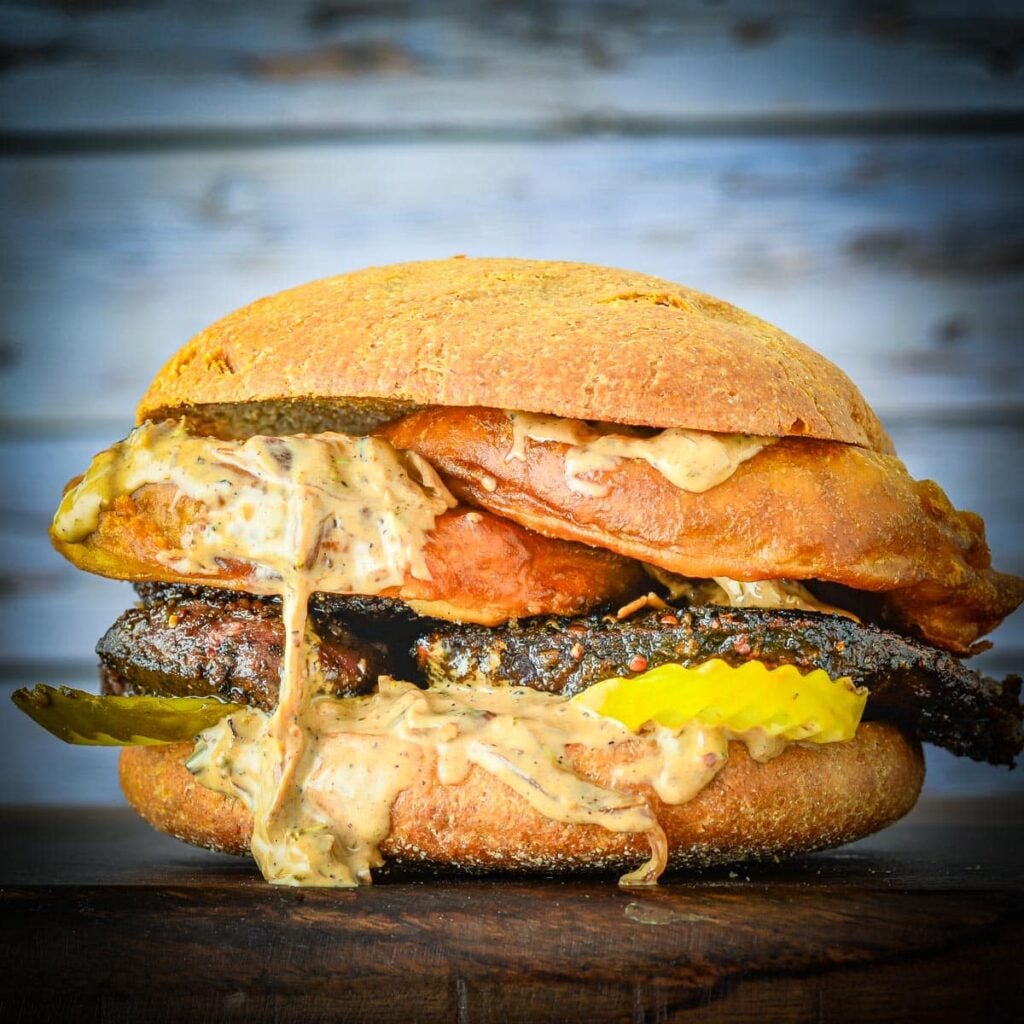
Slice the rested liver into strips, arrange the onion rings around it, and drizzle the caramelized onion aioli over the top. A few pickle slices on help cut the richness of the aioli. Serve it right away, while the liver is warm and the onion rings are still crisp.
- Bread. Toasted sourdough or a baguette is all you need for scooping up the extra aioli. To turn it into sliders, tuck the liver, an onion ring, and a spoonful of aioli into my Parker House rolls.
- Something pickled. If you want more than pickle slices, my pickled mushrooms bring the same acidity with an earthy flavor that suits liver.
- Potatoes. For a full dinner, serve it with my wild mushroom and potato gratin.
More Wild Game Offal Recipes
Tried this Recipe? Please leave a ⭐⭐⭐⭐⭐ rating in the recipe card below and leave a comment. I love to hear from readers! And if you have any cooking questions or want to share your latest food photos, give me a shout on Instagram at @larry__white.

Deer Liver and Onions
Ingredients
For the Venison Liver
- 1 1 ½ – 2 pound venison liver cleaned
- 3 cups buttermilk, enough to cover the liver
- 1 cup all-purpose flour, for dusting
- salt and black pepper
- 2 cups high smoke point oil or rendered animal fat
Onion Aioli
- 1 medium red onion thinly sliced
- 2 cloves garlic, chopped
- ½ tsp fresh thyme, chopped
- ½ tsp fresh rosemary, chopped
- 1 tbsp cooking oil (rendered animal fat, or olive oil)
- 1 tsp honey
- 1 tsp unsalted butter
- ¼ cup red wine vinegar
- ½ cup mayonnaise
- 1 tsp Dijon mustard
- salt and black pepper to taste
- 1 dash hot sauce
Onion Rings:
- 3/4 cups all pupose flour
- 3 tbsp cornstarch
- ½ tsp baking soda
- ½ tsp kosher salt
- ¾ cup chilled sparkling water, or beer
- 1 ice cube
- 1 red or sweet onion cut into 1/4 inch rings and separated into individual rings
- High smoke point oil (for frying)
For Serving (Optional)
- toasted bread (sourdough, baguette, or burger bun)
- pickle slices (optional)
Instructions
Cut and Soak the venison Liver
- Cut the liver into four equal-sized pieces. They should resemble a petit steak.
- Soak liver pieces in the buttermilk for 2 to 4 hours. This removes excess blood and helps mellow the flavor. Make the onion aioli while the liver is soaking.
Make the Onion Aioli
- Heat a heavy-bottomed skillet over medium heat. Add oil and onions. Cook, stirring frequently, until browned and tender. Add a little more oil if the onions appear too dry.
- Reduce the heat to medium-low and stir in garlic, rosemary, and thyme. Cook 2 minutes.
- Season with salt and pepper. Add vinegar, honey, and butter. Stir and cook until the liquid has evaporated. Remove from heat and let cool.
- Transfer the onion mixture to a blender or food processor. Add mayonnaise, Dijon mustard, and a dash of hot sauce. Blend until smooth. Adjust seasoning to taste. Set aside.
Cook the Liver
- Discard the buttermilk and rinse lightly with cool water. Pat completely dry with paper towels.
- Season with salt and black pepper. Dust lightly with flour on all sides.
- Working in batches. Heat ¼ inch of oil in a heavy-bottomed skillet over medium-high heat. Add the liver to the pan. Cook for about 3-4 minutes per side, or until the liver reaches a medium doneness.
- Set to the side and let the liver rest while you fry the onions.
Make the Onion Rings
- Heat oil in a small deep pot or cast-iron skillet to 325°F.
- In a bowl, whisk together the dry ingredients and chilled sparkling water to make the tempura mix. Drop in one ice cube to keep the batter cold.
- Dip onion slices into the batter and fry in batches for 4-5 minutes, or until golden brown.
- Remove and drain on paper towels. Season with salt and pepper.
Serve
- Slice the liver into 1/4 in strips.
- Place the onion rings around the liver. Drizzle the caramelized onion aioli over the liver and onion rings. Season with fresh thyme and rosemary or chopped parsley.
- For the perfect bite, place all of the dish components on your fork and enjoy.
NOTES
- Soak the liver first. Cut it into thick steaks and soak it in buttermilk for 2 to 4 hours to pull out blood and mellow the flavor before cooking.
- Pat it very dry. After soaking, rinse lightly, dry it well with paper towels, season with salt and black pepper, and dust it lightly with flour so it sears instead of steams.
- Do not overcook it. Sear the liver over medium-high heat for about 3-4 minutes per side, just until medium doneness. Venison liver goes grainy and bitter fast if you push it too far.
- Cook in batches. Do not crowd the pan or you will lose the crust. Use a heavy skillet with about 1/4 inch of oil and fry only as much as fits comfortably at one time.
- Keep the onion batter cold. Mix the onion ring batter with chilled sparkling water or beer and keep it cold with an ice cube, then fry the onion rings at 325 F until golden brown.
- Make the aioli ahead. Cook the onions until browned and tender, finish with the vinegar, honey, butter, herbs, and garlic, then blend with mayo, Dijon, and hot sauce. It can sit while you cook the liver and onion rings.
- Serve it right away. Let the liver rest briefly, then slice it into strips and serve it hot with the onion rings and onion aioli. This recipe tastes best fresh and does not reheat well.
Nutrition
Nutrition information is automatically calculated, so should only be used as an approximation. Nutrition is per serving.