
If you’ve ever opened up a whitetail deer and found yourself wondering whether the liver was worth saving, you’re not alone.
Deer liver has a rich flavor, deep color, and nutrient density that make it one of the most underrated edible organs on the animal. Whether you’re cooking it for the first time or refining your technique, this guide will walk you through how to prep and cook deer liver so you can serve it with confidence.
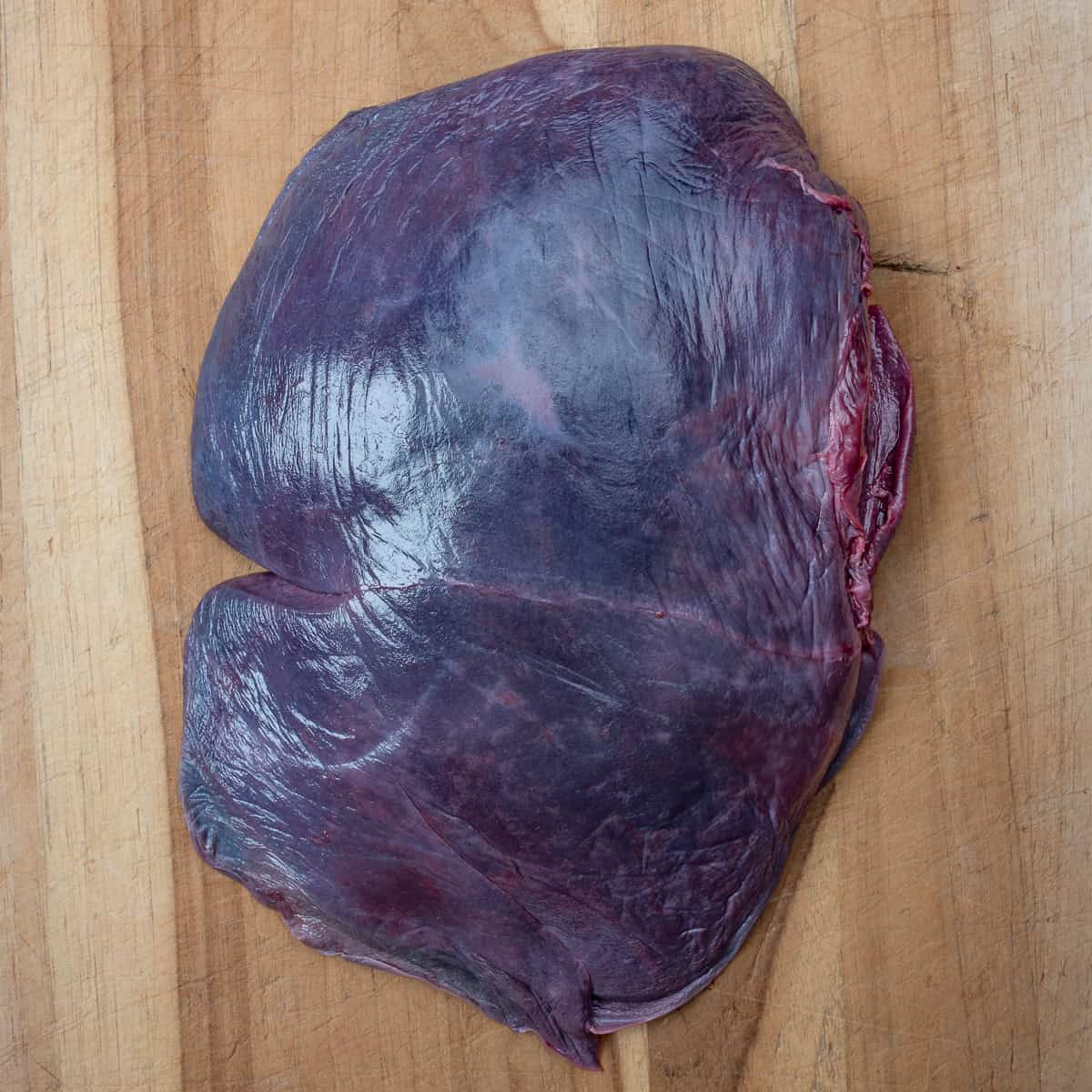
We’ll cover the essentials, including how to remove the membrane, whether soaking is necessary, its taste, and which cooking methods bring out its best. You’ll also find tips on storage, nutrition facts, safety concerns, and how it compares to beef liver.
Cleaning Deer Liver for Cooking
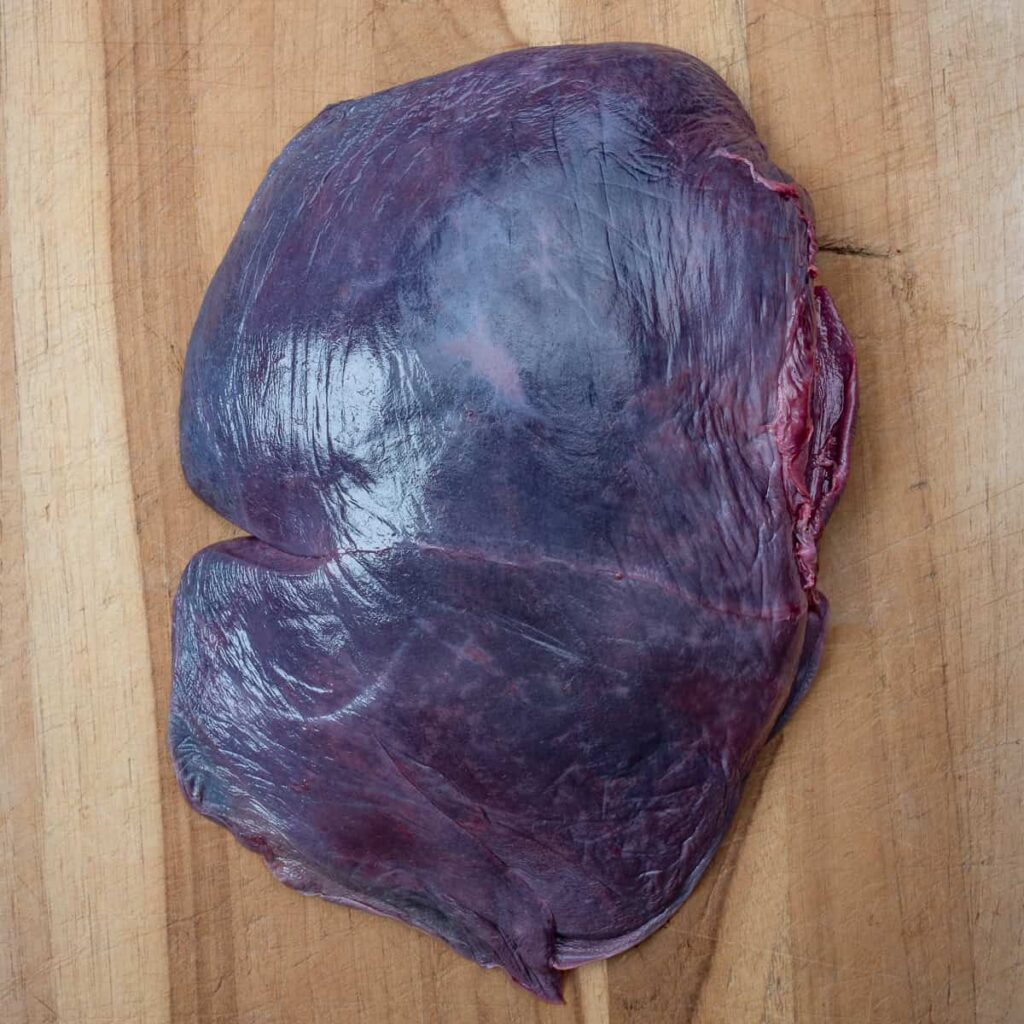
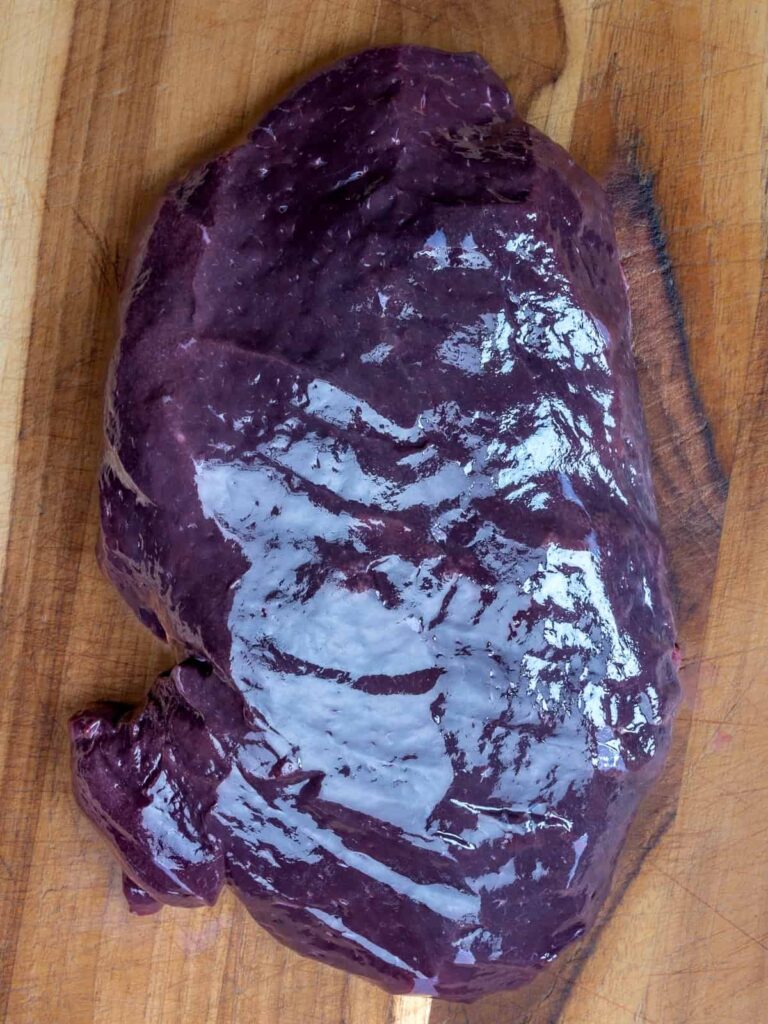
Cleaning deer liver is simple but essential. Start with a whole liver as fresh as possible. Ideally, harvested that day or the day before. Rinse it gently under cold running water to remove any surface blood or debris. Dry with paper towels for safe handling. Wet livers are especially slippery.
From there, follow these steps:
- Trim away connective tissue. Use a sharp boning, fillet, or paring knife to remove any visible veins, fat deposits, or sinew clinging to the surface.
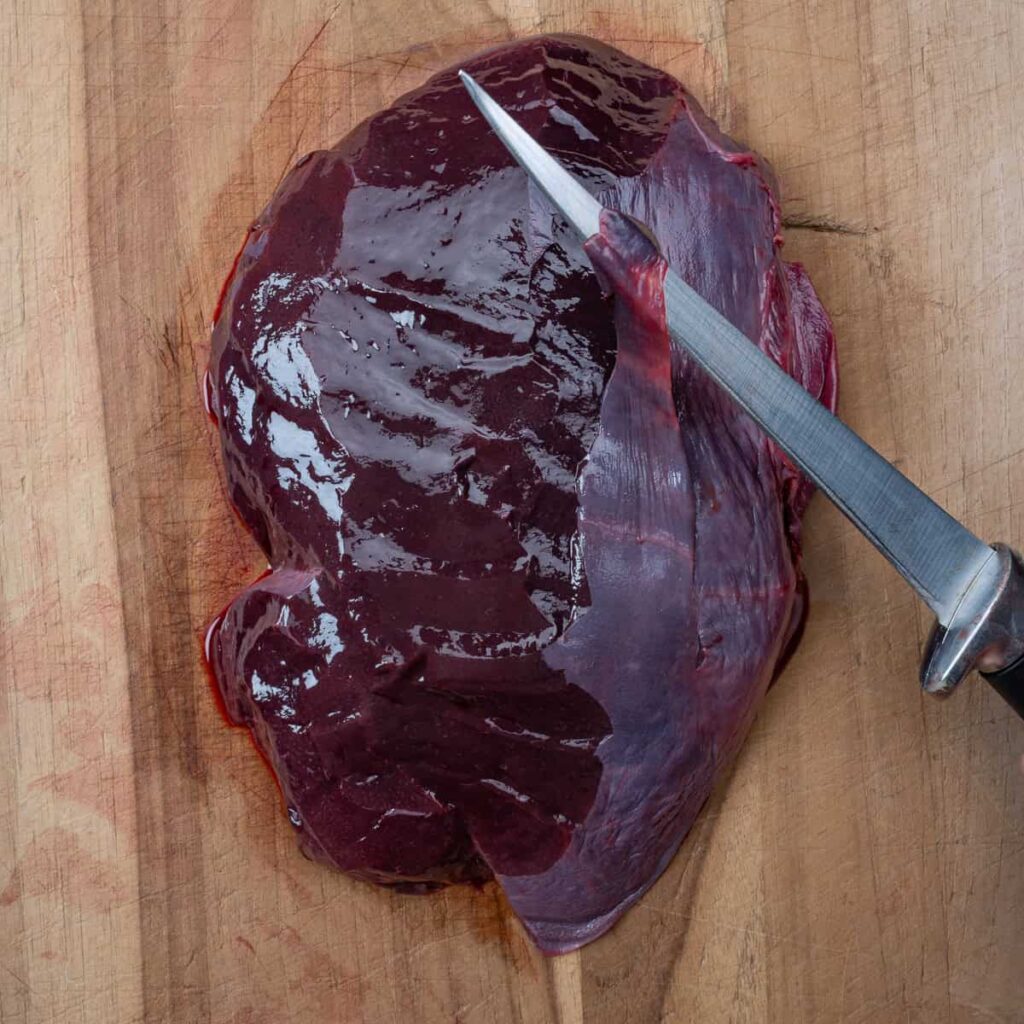
- Remove the membrane. You’ll find a thin, silvery skin (called the Glisson’s capsule) encasing the liver. Start by making a small slit near the edge, then gently pull it back. Use your knife to assist and try not to gouge the meat. Trimming and peeling off in large sheets is best practice.
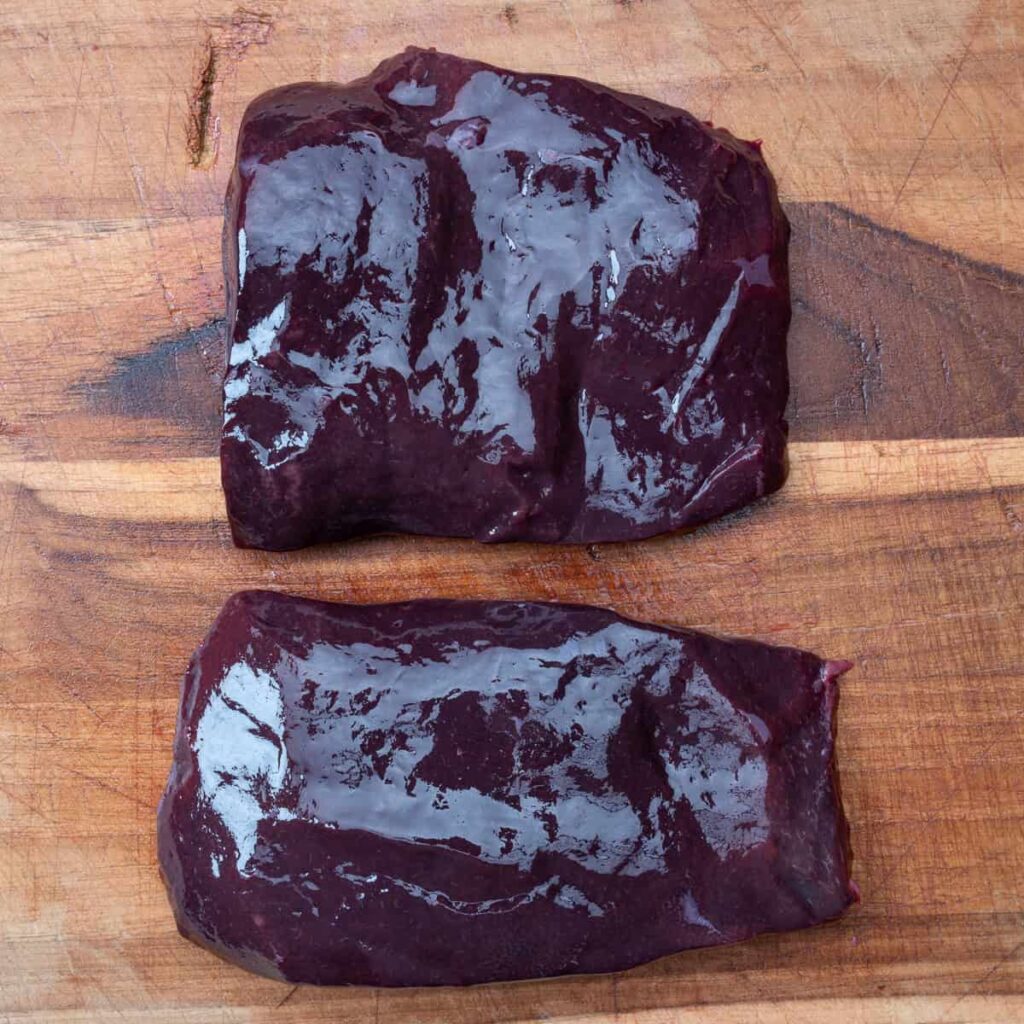
- Portion the liver. Once cleaned, cut the liver into manageable pieces for cooking. Slabs about ¾-inch thick are ideal for pan-searing. You don’t want to cut the portions too small, as they will overcook. You can also cut it into larger cubes for kebabs or grind it into pâté or sausage.
Pro Tip: Use paper towels to blot excess moisture after cleaning. This helps you achieve a better sear in the pan.
Soaking Deer Liver Before Cooking
You don’t have to soak deer liver, but it’s a great way to improve flavor and texture. This technique mellows out most of the strong, metallic flavors that many hunters don’t care for.
Soaking and marinating livers dates back to the early days of fine game cookery. When chefs routinely added herbs and vegetables to their soaking liquids for a more refined result.
And keep in mind that you don’t need to follow each of these steps. You can simply choose one of the three steps for a better liver-eating experience. Just remember that eliminating any of these steps will result in stronger flavors.
Step 1: Rinse
Time: 5 minutes
- Place the liver in a large bowl. Fill with cold tap water.
- Let the liver rest in the water for around 15 seconds. Drain the water.
- Repeat this process until the water is relatively clear.
Step 2: Soak the Liver in a Brine
Time: 2 hours
Brining helps mellow iron-heavy flavors while adding a subtle layer of brightness to the flavor profile.
Brine Ratio:
- ½ gallon of water
- ½ cup kosher salt
- ¼ cup sugar
- Optional aromatics: onion, garlic, thyme, rosemary, sage, juniper berries, lemon wedges, black peppercorns, or carrots
Make the Brine:
- Pour half of the water (4 cups) into a pot. Add the salt, sugar, and aromatics to the pot. Bring to a simmer and turn off the heat. Stir until the salt and sugar have dissolved.
- Pour the contents of the pot into a large bowl. Pour in the remaining water (4 cups) to the bowl.
- Stir and refrigerate until cold.
Brine the Liver:
- Submerge the cleaned liver in this cold brine. Place in the refrigerator for about 2 hours.
Step 3: Soak in Milk or Buttermilk
Time: 2 to 4 hours
This step removes any lingering iron taste and softens the texture slightly.
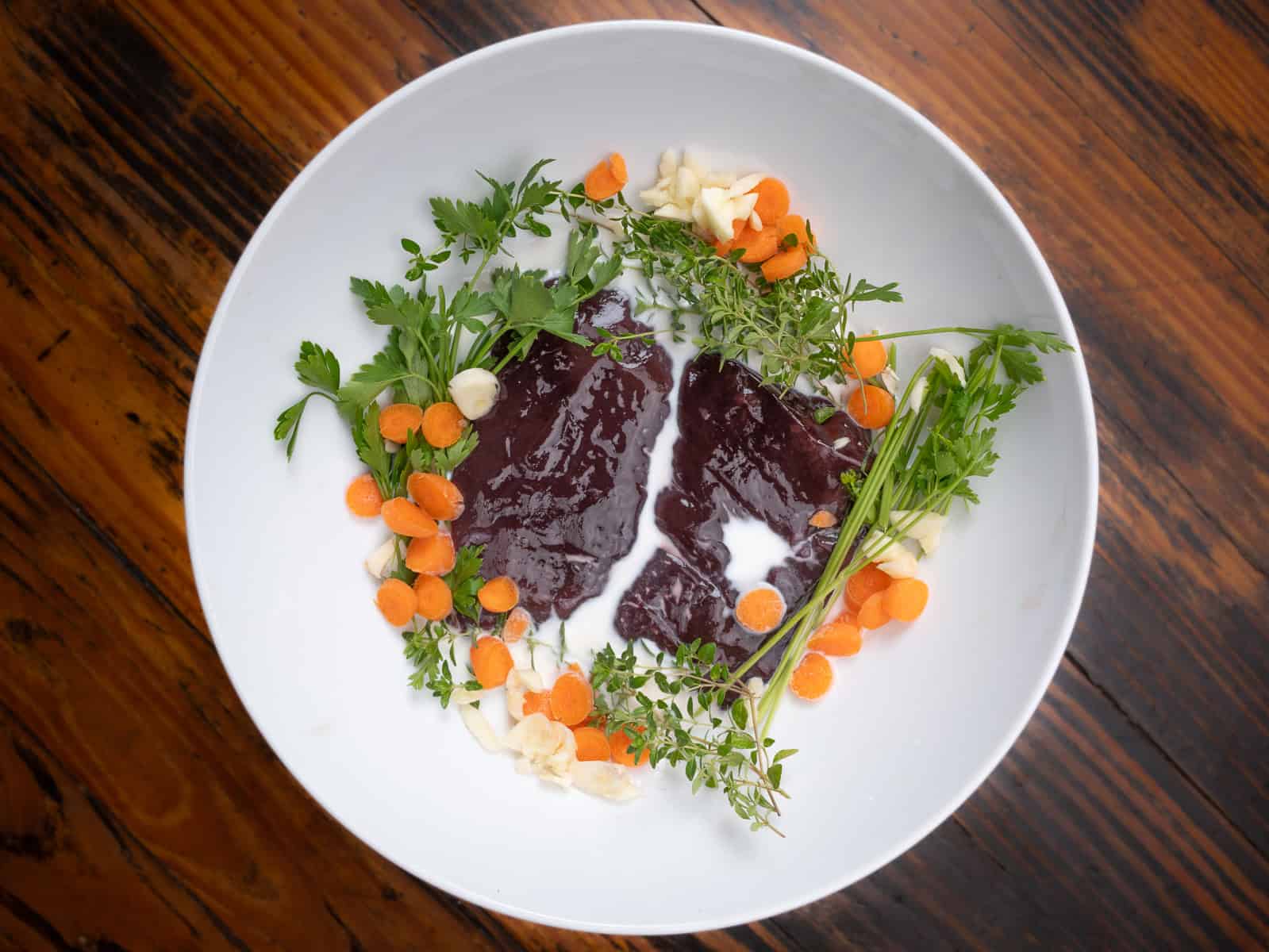
- After the brine, transfer the liver to a bowl of whole milk or buttermilk and soak for 2 to 4 hours.
- Don’t soak longer than 4 hours. Too much time in milk can alter the structure, making it mushy.
- For even more flavor, try adding more aromatics to the milk, as I did in the picture below.
Step 4: Rinse and Pat Dry
Once your soaking is complete, rinse the liver under cold water and pat it dry thoroughly with paper towels. A dry surface will help with handling and getting a proper sear. Now your deer liver is ready for cooking.
How to Cook Deer Liver
Once your deer liver is cleaned and soaked, the cooking method you choose will shape the final flavor and texture. Below are four methods for cooking venison liver.
1. Pan-Seared (Recommended for First-Timers)
This is the go-to method for most wild game cooks. It’s my preferred technique for deer liver and onions.
- Heat a cast-iron skillet over medium-high heat.
- Add a high-smoke-point cooking oil or a little bacon fat.
- Season with salt and black pepper.
- Sear liver slabs hot and fast for 1-2 minutes per side, depending on thickness. Cook to medium-rare or medium at most. Overcooked liver gets grainy and bitter fast.
- Season with minced herbs just before serving.
2. Grilled or Smoked Liver
Less common techniques, but they work:
- Marinate liver steaks or use my two-hour brine method.
- Rinse and pat dry with paper towels.
- Char by grilling hot and fast.
- Optional: Smoke whole slabs for 30-45 min at 200°F, then sear to finish.
Note: Smoking can intensify the flavor, so it’s best suited for milder livers from young animals.
4. Make a Paté
Venison liver pâté is perfect for charcuterie lovers:
- Sauté chopped liver with onion, garlic, and herbs.
- Deglaze with brandy or sherry, then puree with butter and cream.
- Chill and serve with toast points or crackers.
5. Ground or Minced in Sausages
Some traditional-minded hunters grind liver into braunschweiger-style spreads or mix it into bulk sausage blends like my venison boudin. Keep the liver at 50% or less of the grind to avoid overwhelming flavors.
How to Store Deer Liver
Raw Storage:
- Store the liver in the fridge for up to 2 days. Place on a baking sheet fitted with a wire rack to promote draining. Or store in an airtight container.
- For longer storage, freeze: Wrap tightly in plastic wrap, then cover with a layer of freezer paper. Best used within 3-4 months.
Cooked Storage:
- Store cooked liver in an airtight container in the fridge for up to 2 days.
- Paté and sausages last 3-5 days when tightly sealed and stored in the fridge.
Pro Tip:
- Label frozen liver with the date and deer type (buck/doe) to help plan your recipes and soaking method later.
What Does Deer Liver Taste Like?
Venison liver has a bold, earthy flavor that reflects the wild animal it came from. It’s richer and slightly more intense than beef liver, but when handled well, it’s not overwhelmingly “gamey.” The texture is smooth and firm when fresh, and it takes on a creamy quality when properly cooked.
- Younger deer (does or yearlings) tend to have the mildest liver flavor.
- Older bucks can have a stronger taste, especially if not soaked or trimmed well.
- Milk soaking and brining help reduce intensity and improve tenderness.
If you’ve only had poorly prepared liver before, don’t let that stop you. The key difference with deer liver is freshness.
A liver that has been processed properly and cooked within a day or two of harvest is a completely different experience from one that has been left too long in the refrigerator and overcooked. We want fresh, seared, hot, and fast, without overcooking.
If you’re hesitant, start with a deer liver and onions recipe. It’s a classic for a reason. It mellows the flavor and highlights the liver’s natural richness without masking it entirely.
Deer Liver Safety Notes
- Only eat healthy-looking liver. Discard if discolored (green, yellow) or smells foul.
- Avoid if the deer showed signs of illness. Chronic wasting disease (CWD) has not been proven to be transmitted via the liver, but general caution applies.
- Freeze before eating. According to the USDA, Trichina and other parasites can be destroyed by sub-zero freezing temperatures. They recommend thorough cooking for maximum safety.
Deer Liver FAQ’s
Here are the most commonly asked questions I get.
Do you have to soak deer liver before cooking?
No. But soaking helps remove bitterness and improves texture. You can use milk, a basic saltwater brine, or an aromatic brine. The ideal soak time is 2-4 hours; longer can alter the texture.
Is deer liver gamey?
It can be, especially in older bucks. But with proper soaking, trimming, and cooking, the flavor becomes bold and rich rather than overpowering. Young deer liver tends to be milder.
How should you cook venison liver?
Pan-searing steak-sized slabs is best for quality control. Cook to rare or medium-rare and avoid overcooking to prevent toughness. Liver works well in pate, terrines, or fried with onions.
More Venison Processing Guides
If you’re looking for a specific recipe or technique involving deer liver, feel free to drop a comment or message me on Instagram @Larry__White.