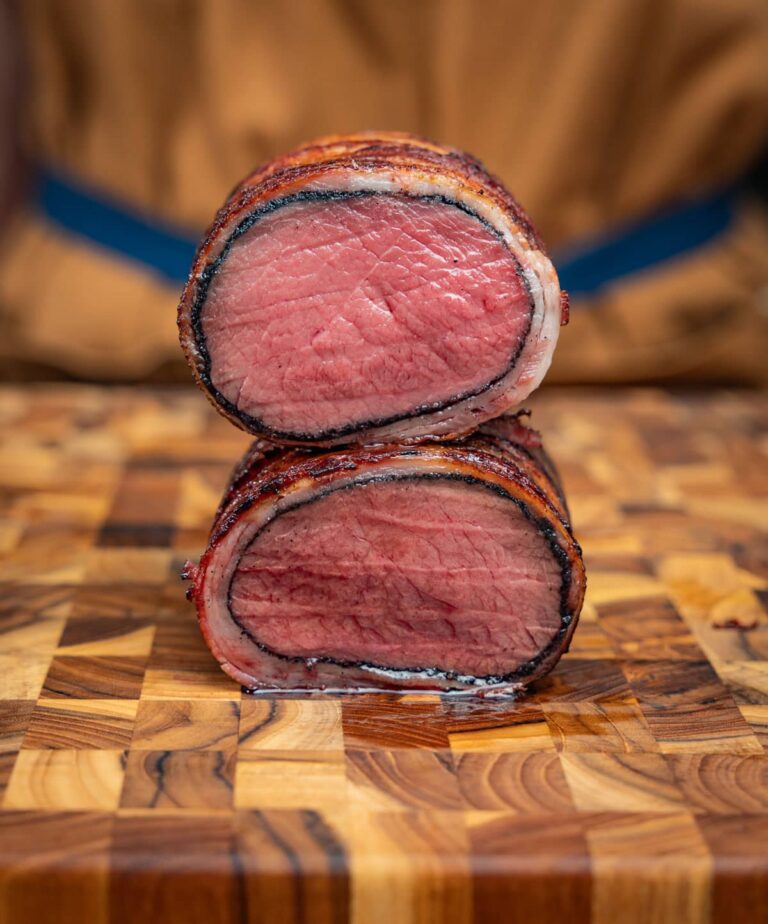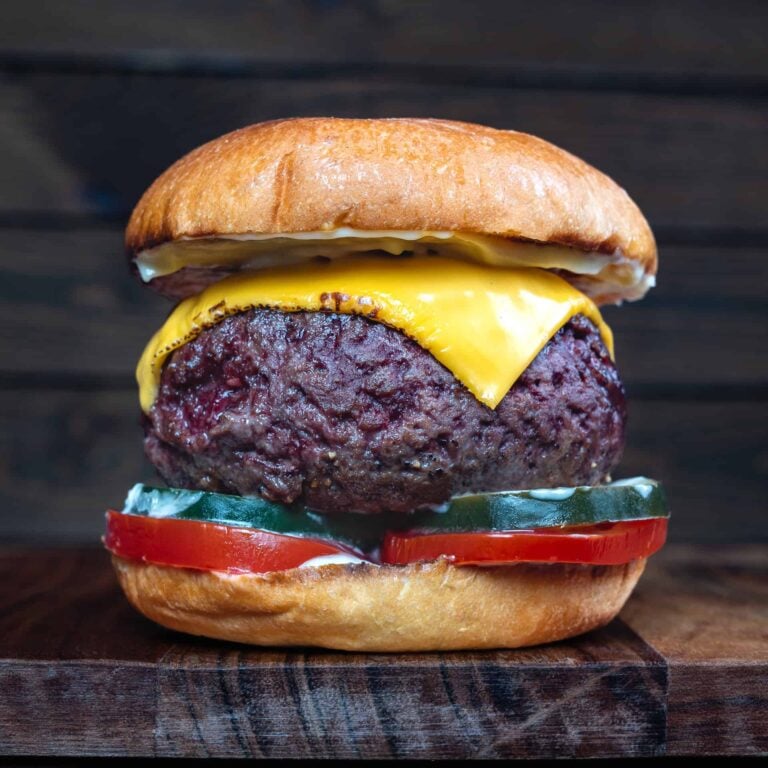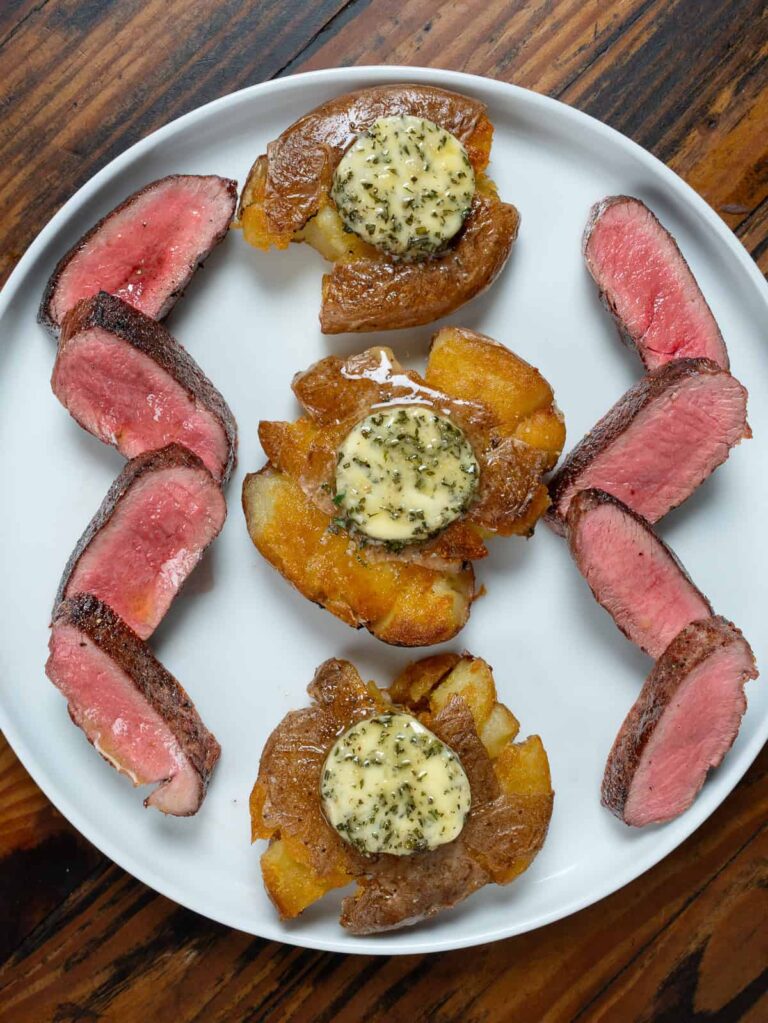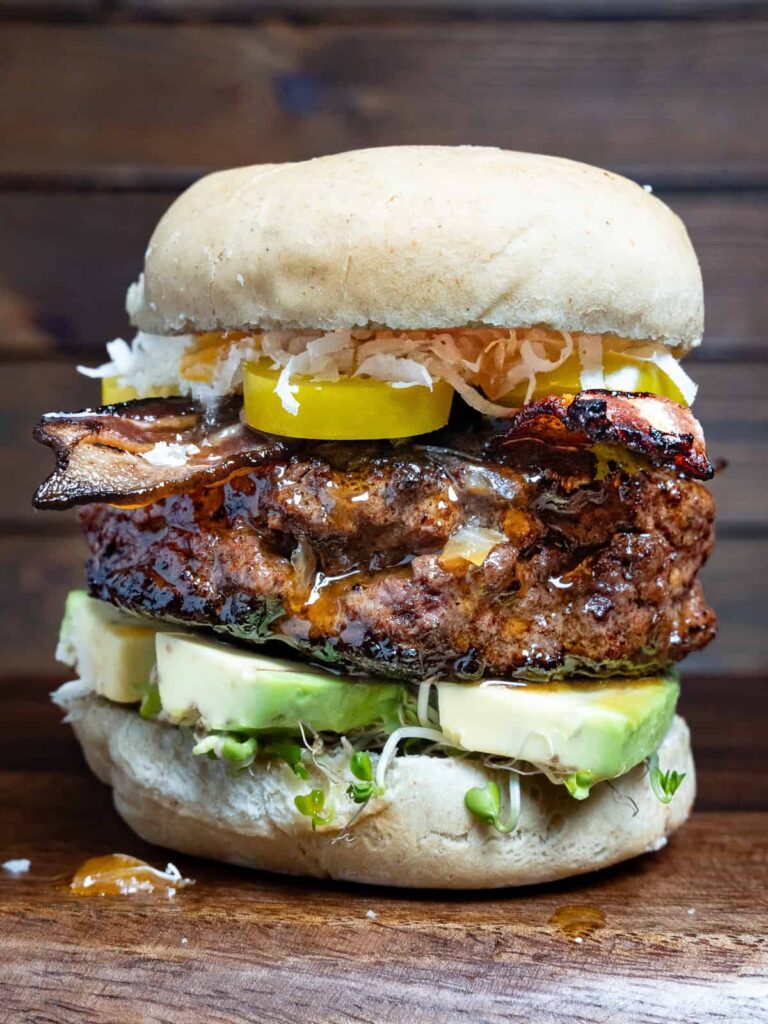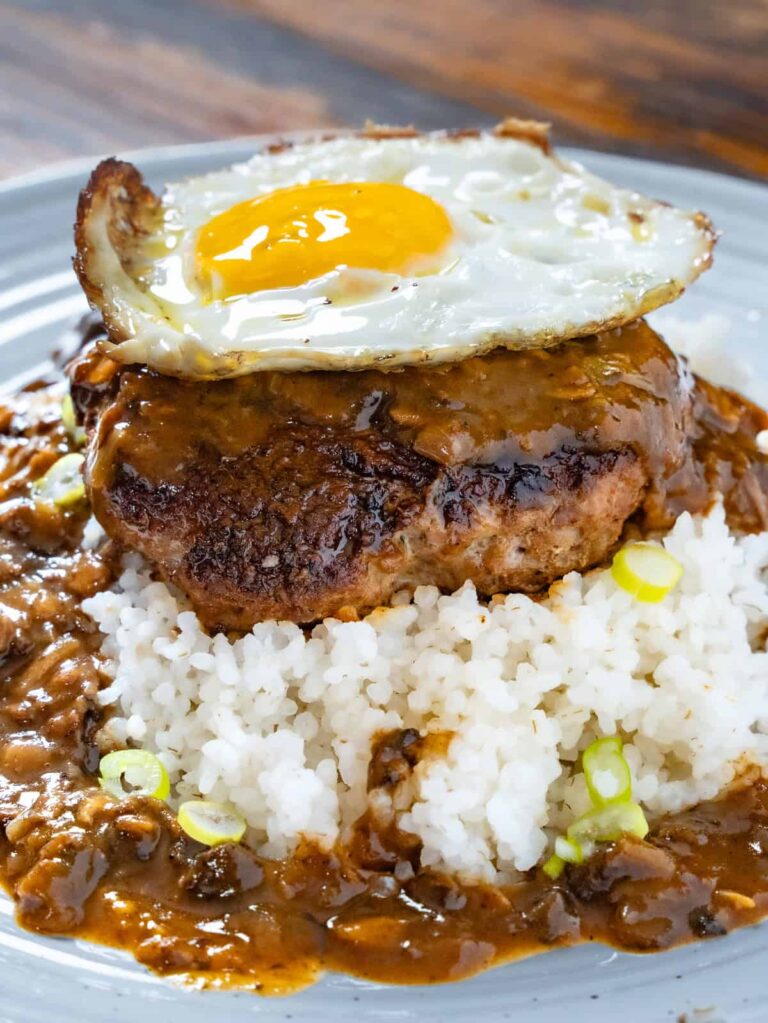

Learning how to prepare deer heart for cooking properly takes less than 20 minutes. It’s a quick, easy task that shouldn’t overwhelm you, no matter your knife skill level. All it takes is a little trimming, cutting, and rinsing, and you’re ready for anything from a venison stir fry in the pan, anticuchos on the grill, or a rich mohagany colored heart from the smoker. Here’s how I do it.

Quick Look: How to Prepare Deer Heart
- What it is: A step by step by step technique guide to cleaning and trimming a whole deer heart for cooking.
- Prep time: Around 12 minutes.
- Main ingredient: Heart from deer, elk, or moose
- Method: Rinse with water, cut open, clean, and trim.
- Why my technique works: Opening the heart before trimming makes it easier to identify what needs to be removed while minimizing waste.
SUMMARIZE & SAVE THIS CONTENT ON
I’ve spent more than two decades working as a professionally trained chef, and one of the first things that I learned in culinary school is not to waste anything. With deer heart, the goal is to remove the blood, valves, tough connective tissue, and hard fat while keeping as much clean muscle as possible. I take this same approach in my guide on how to prepare deer liver and the rest of my venison I process.
What to Remove from Deer Heart
Before you start cutting, it’s a good idea to know what you’re looking for. Your goal is to retain as much of the dark red heart muscle and resemble the look of a cleaned deer backstrap.
- Hard exterior fat
- Remaining blood and blood clots
- Internal valves
- Tough, stringy connective tissue
- Tough or excessively veiny material around the top of the heart.
I open and separate the heart before trimming the top. This gives me a better view of what is tough, what is veiny, and what is usable muscle, so I can trim precisely instead of automatically cutting off usable meat. It’s a total diffrent process than what I use for my stuffed venison heart recipe.
Tools Needed
These are the tools I recommend using for preparing deer hearts. Feel free to substitute them with what you have available.
- Knives: A knife with a thin blade profile is best. You don’t need anything as agressive as you’d need for a venison hind quarter.
- Paper towels: Paper towels are used to dry the meat off after rinsing and cleaning the insides of the heart if needed.
- Cutting Board: You can use the cutting board of your choice. However, my preference is a wooden cutting board. The heart tends to slip around a lot less than on plastic cutting boards.
- Kitchen Towel: I recommend placing a kitchen towel underneath your cutting board in an even layer. This will help prevent your cutting board from sliding around while working.
How to Prepare Deer Heart

1. Rinse: Rinse the deer heart thoroughly in cold water until the water runs clear. Work the water through the openings to flush out any remaining blood and blood clots.

2. Dry: Pat the heart dry with paper towels. This gives you a better grip and makes the heart easier and safer to handle with a sharp knife.

3. Open the Chambers: Locate the natural seam on the heart.
Use the tip of a sharp knife to follow that seam and slice open the chambers until you can clearly see the inside.
Follow the natural openings instead of cutting straight through the heart. At this point, the goal is simply to expose the interior so you can see exactly what needs to be removed.

4. Clean the Inside: With the chambers exposed, remove the internal valves and tough, stringy connective tissue. Keep the tip of your knife close to the material you’re removing.
There’s no need to make deep cuts. When you’re finished, the chambers should be open and clean, without loose valves, obvious blood clots, or stringy tissue inside the heart.

5. Trim the Outside: Flip the opened heart over and finish trimming the outside. At the top, trim away the tough and veiny material while keeping any usable muscle.
If the top is especially tough or veiny, you can remove it completely. I prefer doing this after opening the heart because I can see what I’m trimming and avoid wasting good meat.
Chef Tips & Troubleshooting
- Use a knife you’re comfortable with: It’s important to use a knife you can handle safely and effectively when processing deer heart. I like to use a flexible boning knife and a pairing knife.
The flexible boning knife is what I use for cutting small, thin pieces, and the pairing knife for cutting seams and larger bits. In my opinion, a chef’s knife is not the knife for this job due to its size and shape. - Dry well after rinsing: There’s nothing harder to work with than a slippery, wet piece of venison. Drying the heart completely, inside and out, with paper towels not only gives you a better handle on it, but is safer while using your knife.
- Open Before Trimming: I open the chambers before trimming for better control over the heart. By first separating at the seam into smaller pieces, this allows you to have stable pieces of meat on your cutting board.
The shapes of these pieces are easier to handle than a whole heart. This allows you to work more safely and with more precision. - Don’t Over-Trim: You don’t need to go after every thin white line running through the muscle. Remove the obvious valves, tough stringy material, and hard fat. If it looks uniform in color and has no obvious lumps, strings, or fat, leave it be.
- You don’t need to soak deer heart: I don’t soak them as a part of the cleaning process. A thorough cold-water rinse is all I use for that. If I soak a heart, I use my venison brine to enhance flavor and juiciness.
Brining is especially useful for smoking deer heart and serves as a safety net when grilling deer heart.
Deer Heart FAQs
What does Deer Heart taste like?
Deer heart has a mineral flavor with a mild iron kick. The texture is similar to that of a lean steak, with very little fat and a slight bounce to the chew. This combination with a venison marinade makes it especially good to eat, in my opinion.

Above is a picture of a fully trimmed and cleaned deer heart that is ready for cooking.
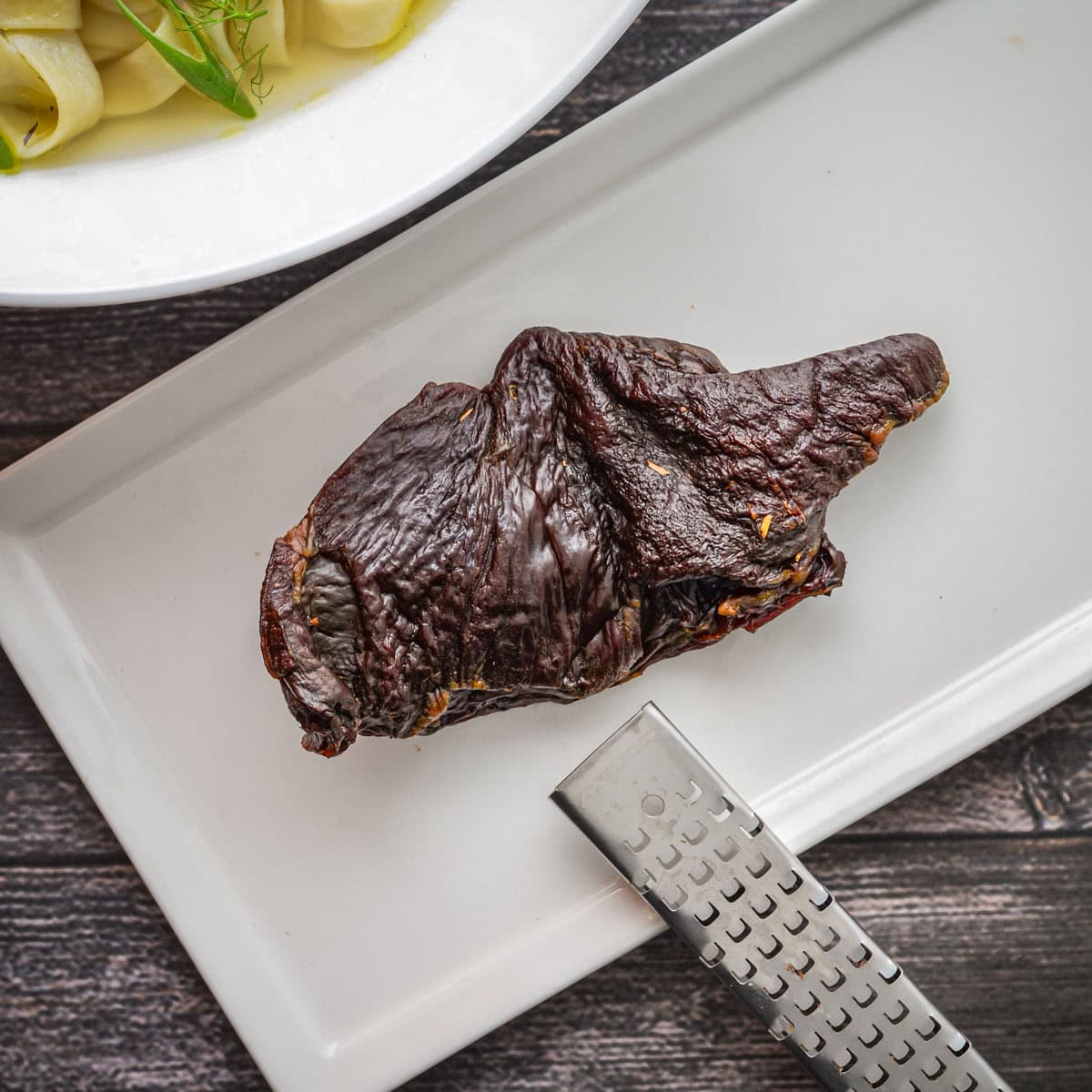
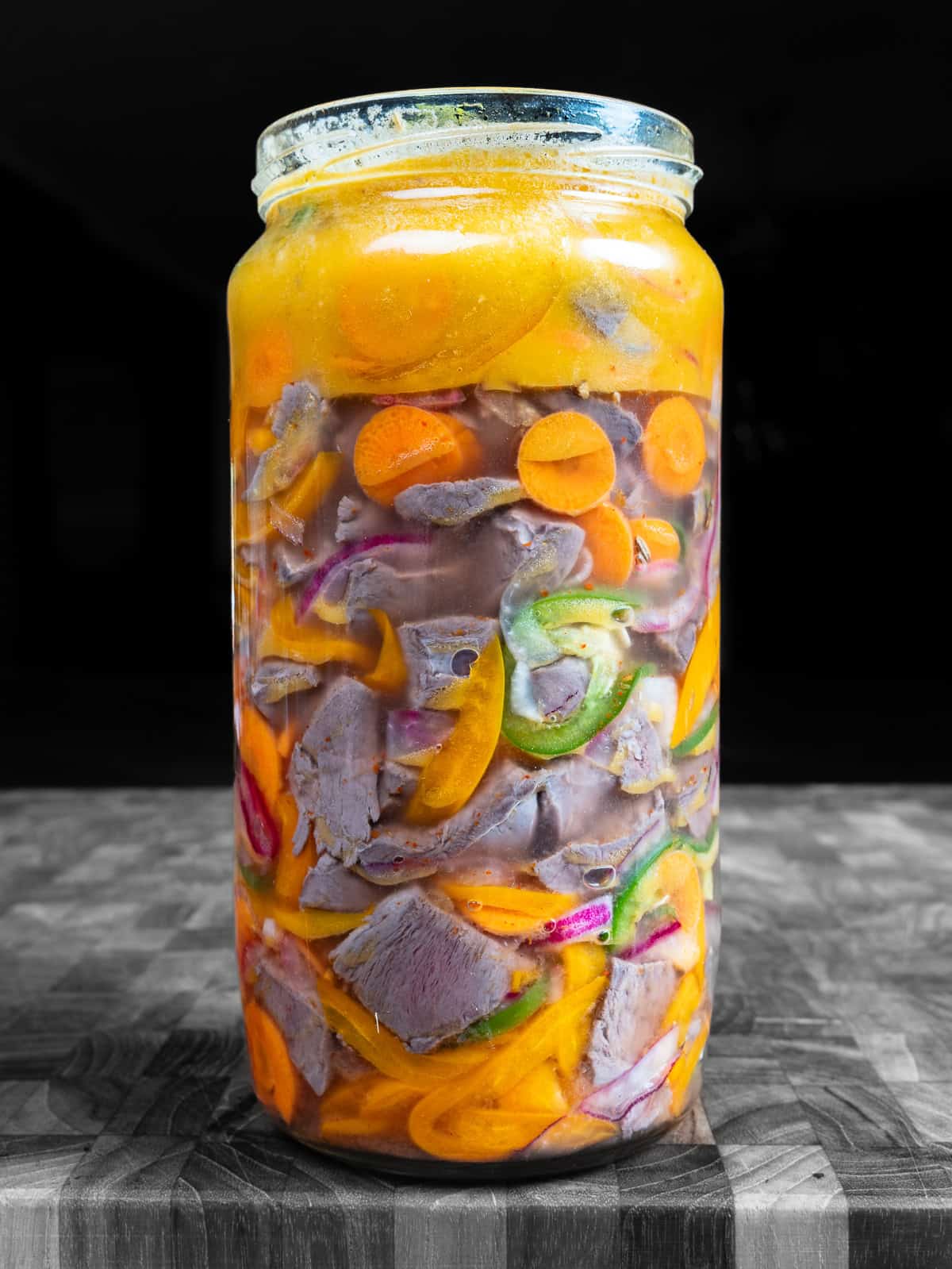
Deer Heart Recipes to Try

Tried this technique? Please leave a ⭐⭐⭐⭐⭐ rating in the recipe card below and leave a comment. I love to hear from readers! And if you have any deer processing questions or want to share your latest food photos, give me a shout on Instagram at @larry__white.

How to Prepare Deer Heart for Cooking
Ingredients
- 1 deer heart (Elk, Moose and Antelope heart is also applicable)
Instructions
- Rinse and Dry: Rinse the deer heart thoroughly in cold water until the water runs clear, working the water through the openings to remove any remaining blood and blood clots. Pat dry with paper towels.
- Open the Chambers: Locate the natural seam on the heart. Follow the seam with the tip of a sharp knife and open the chambers until the inside is exposed.
- Clean the Inside: Remove the internal valves and tough, stringy connective tissue, keeping the knife close to the material you're trimming so you don't unnecessarily remove good red muscle.
- Trim the Outside: Flip the opened heart over. Trim the tough and veiny material around the top while keeping any usable muscle, or remove the top completely if necessary. Finish by trimming away the hard fat cap and visible exterior fat.
- The deer heart is now cleaned, trimmed, and ready for cooking.
NOTES
Nutrition
Nutrition information is automatically calculated, so should only be used as an approximation. Nutrition is per serving.