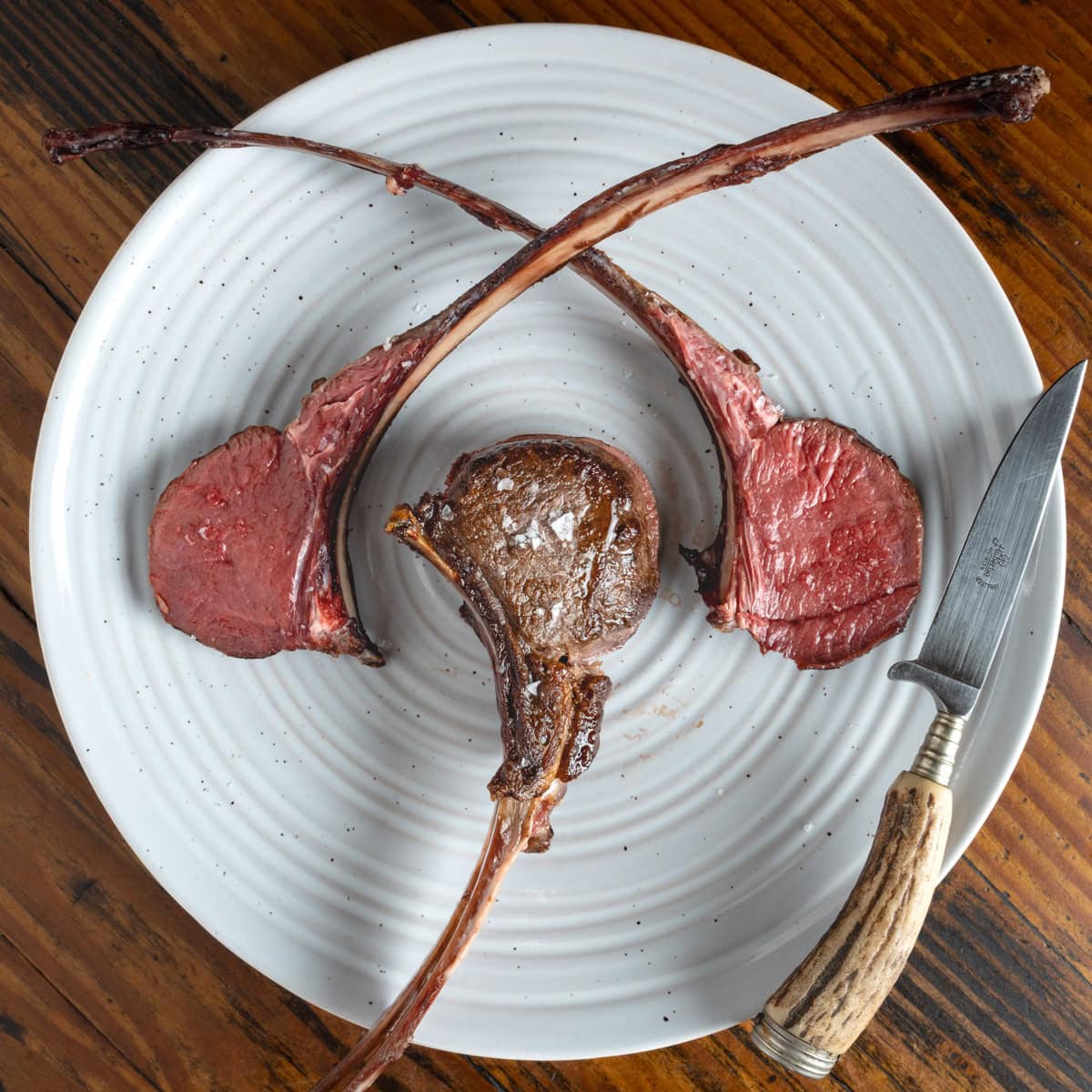
In this guide, I’m giving you my best tips on how to cook venison steaks better than ever before. There are no advanced techniques or unnecessary puncturing of the meat required. Simply mastering these basics will absolutely improve your steak-cooking skills. I cover the cuts, thickness, temperatures, and prep details that you can use with all of your favorite venison steak recipes.
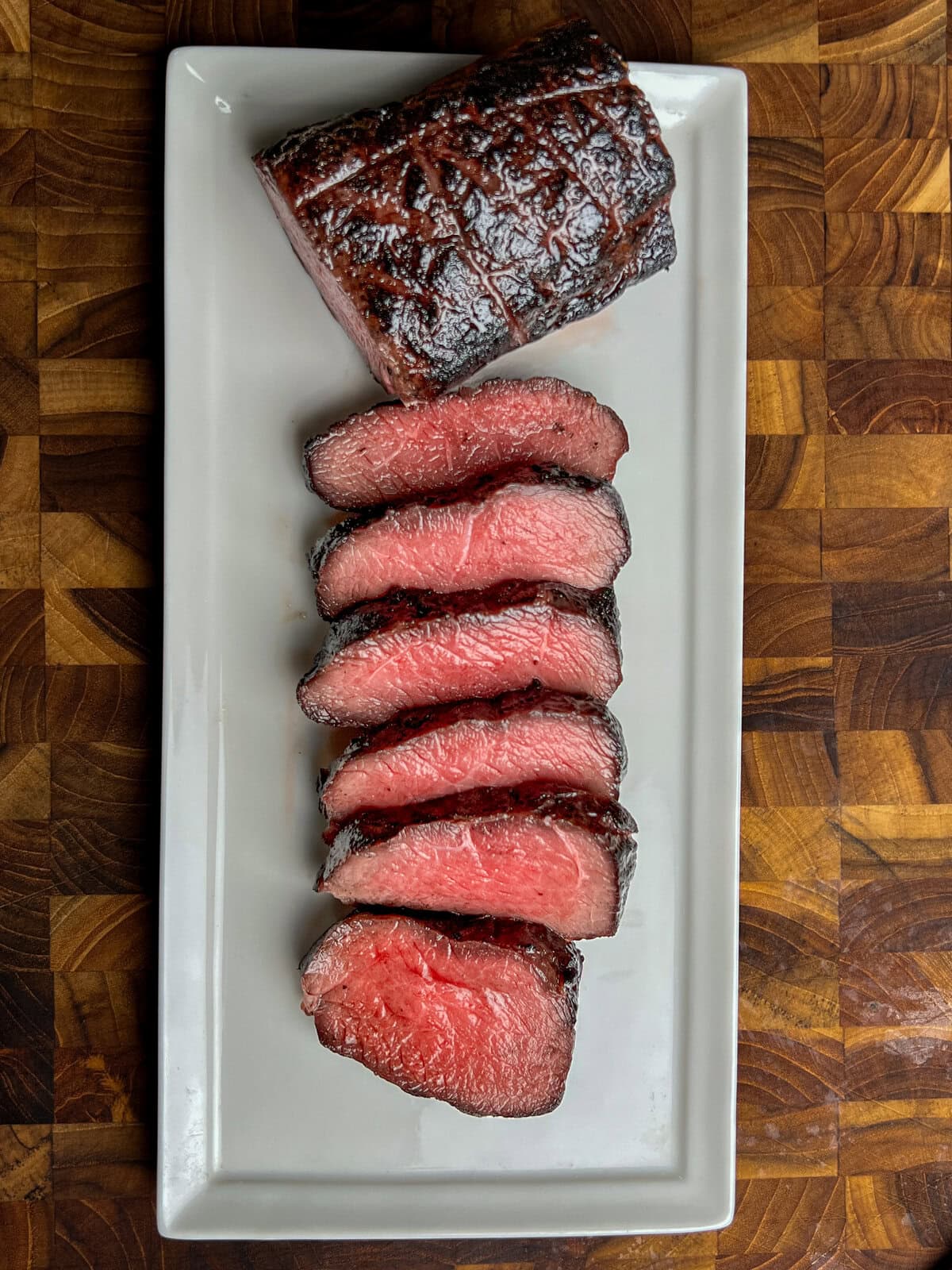
Quick Look: How to Cook Venison Steaks
- What is This About: A guide on how to cook better venison steaks.
- Best For: Experienced or first-time cooks wanting more consistent results.
- What You’ll Learn: Best cuts, steak thickness, heat levels, seasoning, venison internal temps, resting, and doneness.
- Applies To: Backstrap, loin, and venison round steaks
- Cooking Methods Covered: Skillet, grill, and other hot-and-fast steak cooking methods.
- Why this guide helps: It gives you the core technique for properly cooking venison steaks.
SUMMARIZE & SAVE THIS CONTENT ON
I’ve cooked venison steaks in many different ways over the years. Most of the problems come down to the same few things. Little to no prep work, moisture management, heat management, and cooking to the wrong internal temperature.
Prep Venison Steaks Before Cooking
- Remove the Silverskin: This tough and shiny connective tissue can be found on the surface of most cuts of venison. It will not break down in a dry heat cooking environment such as grilling or pan searing. It must be removed prior to cooking.
- Dry the steaks: Before cooking, take a minute to dry the surface well.
This is especially important when cooking marinated venison steaks. After marinating, there will be moisture on the outside of the meat. Pat the steaks dry with paper towels to remove this moisture.
This small step makes a big difference. Dry steaks sear better, brown faster, and are less likely to stick to the cooking surface.
Wet steaks do the opposite. They steam, struggle to build a crust, and can cause the cooking oil to burn. - Rest the Steaks at Room Temperature: Letting the meat sit at room temperature for 30 minutes to 1 hour before cooking promotes even cooking.
I personally like to let them sit at room temperature for about 2 hours. This gives the steaks time for their external and internal temperatures to rise slightly.
A room temperature steak doesn’t drastically lower the temperature of your cooking surface as a cold steak would. This also promotes even cooking.
Seasoning & Marinating Venison Steaks
Most Common Seasoning Error: One of the easiest ways to ruin a venison steak is to load it up with a seasoning blend before cooking. Sugar, dried herbs, and many pre-made rubs burn quickly.
Seasoning Tips: I like to keep the seasoning simple before cooking. Salt is usually enough before the steak goes on. Once the meat is cooked and rested, you can finish it with cracked black pepper and flaky salt (no iodine).
Marinade Common Errors: Marinades can cause problems as well if they are overly high in sugar. Something like a sweet Thai steak marinade may work fine on the grill with proper cool zone setup (more on that below). But you are almost guaranteed to burn your steaks if you are using a skillet. Some of the marinade will release from the meat and cause sugars to burn.
Marinade Tips: Wipe off the excess venison steak marinade and pat the meat dry before cooking. That will give you a much better sear and lower your odds of burning the steaks.
Manage the Heat
- Have a “Cool Zone” when using a Grill: A cool zone is an area with little to no direct heat. It’s a place where you can quickly move the steaks in case of fire flare-ups or to prevent overcharring.
When cooking on the stovetop, it’s hard to have a cool zone unless you are cooking with a giant skillet. So I like to have a baking sheet near my cooking station.
This way I can quickly place the steaks on it to get them off of the heat source if needed. This will give you time to adjust the temperature of your skillet. - Direct Heat Temperature: The temperature of your pan or grill plays a huge part in the overall texture and doneness of your venison steaks.
If the heat is too high on a thick steak, you risk having a hard-browned exterior and a raw, black-and-blue center.
If the heat is too low, your steaks will finish cooking before you ever have a chance to develop a nice golden brown crust.
You want to find the sweet spot where you can get a great sear while gradually bringing the internal temperature up to your target. Depending on your heat source, this can range from medium to medium-high heat.
I like to sear the steaks hot and fast and then lower the heat to medium-low for finishing cooking. - The steak’s thickness determines the cooking temperature: As a general rule, venison steaks that are 1 inch thick or less need to be cooked hot and fast. So you can count on cooking them at around medium-high heat during the entire cooking process.
Thicker steaks need a little more precision. As mentioned above, I like to start with a higher heat to achieve good color. I then back the heat down to around medium-low and cook until I reach my desired internal temperature.
Venison Internal Temp
Internal Temperature: Use this chart as a guide for whole-muscle venison steaks that are about 1 inch thick or thicker. Thinner steaks cook fast, so the pull temperatures and carryover estimates are harder to trust. For the best flavor and texture, venison steaks are usually best rare to medium-rare because the meat is so lean.
I like pulling mine around 128°F and letting the steak finish as it rests. Use a digital thermometer in the thickest part of the steak instead of guessing, and do not cover the steaks with foil after cooking. Foil traps heat and can push a lean venison steak past the temperature you were aiming for.
Don’t Cover The Steaks: Covering the steaks after they are cooked will cause them to overshoot your preferred internal temperature. The steaks will still be warm after the 5-10-minute resting period, so long as you aren’t resting them in a super cold environment.
| Doneness | Pull Temperature | Rest Time | Carryover Cooking | Final Internal Temperature After Resting |
|---|---|---|---|---|
| Rare | 115-124°F | 5-10 minutes | About 5°F | 120-129°F |
| Medium-Rare | 125-129°F | 5-10 minutes | About 5°F | 130-134°F |
| Medium | 130-139°F | 5-10 minutes | About 5°F | 135-144°F |
| Medium-Well | 140-149°F | 5-10 minutes | About 5°F | 145-154°F |
| Well-Done | 150°F+ | 5-10 minutes | About 5°F | 155°F+ |
Rest the steaks Uncovered After Cooking
Once the steaks come off the heat, their internal temperature will continue to slightly rise while the juices within start to settle.
Resting gives these juices time to distribute evenly while the meat begins to relax. If you cut into a venison steak right after it is cooked, most of the juices end up on the cutting board. So even with a perfectly cooked piece of meat, texture can still be dry.
This step is especially paramount with venison steaks. There isn’t enough fat to act as a buffer like with beef.
A general rule of thumb is to let the steaks rest 1 minute for every minute spent cooking. But to be safe, I let all steaks rest uncovered for 15 minutes.
How to Cook Venison Steaks
1. Choose the steaks: Use cuts like backstrap, loin, tenderloin, or well-trimmed round steaks that are about 1 inch thick or thicker.
2. Trim the silverskin: Remove any silverskin or connective tissue from the surface of the meat.
3. Marinate (optional): Place the steaks in a non-reactive container or food-grade plastic storage bag. Pour your favorite marinade over the venison. Marinate for 4 to 12 hours depending on your palate. If you’re working with a large gamey buck, you can push it 14 hours.
4. Dry the surface of the steaks: Dry the meat with paper towels. If you opted to marinate, shake off the excess marinade first.
5. Rest at room temperature: Rest the meat at room temperature between 30 minutes and 2 hours.
6. Season with salt: Brush the surface of the meat with a high smokepoint cooking oil. Season on all sides with salt.
7. Preheat the pan or grill: Heat a heavy-bottomed skillet or grill over medium-high heat. You want the cooking surface to be smoking lightly.
8. Sear the steaks: Cook the steaks over direct heat until nicely browned.
For thicker steaks, reduce the heat if needed to medium or medium-low to finish cooking. Thinner steaks can finish cooking at higher temperatures.
9. Check the internal temperature: Insert an instant-read digital thermometer into the thickest part of the steak. For medium-rare venison, pull the steaks around 125-129°F.
10. Rest and Slice: Let the steaks rest uncovered for at least 5 and up to 15 minutes. Do not cover them with foil. Slice against the grain into 1/4- to 1/2-inch slices. Season with a little more salt and pepper if you like.
Cooking Venison Steaks FAQs
Why did my venison steak turn out tough?
Most of the time, it comes back to one of a few things: the wrong cut, too much connective tissue left on the meat, overcooking, or slicing it the wrong way after it rests.
What temperature should venison steak be cooked to?
Venison is usually best on the rare to medium-rare side because it is so lean. I like pulling steaks at around 128 F and letting them finish while they rest.
What is the best way to cook venison steak?
The best way to cook venison steak is to either cook it hot and fast or to reverse-sear. For most tender cuts, that means cooking in a hot skillet or on a hot grill, using simple seasoning, and aiming for rare to medium-rare doneness. Basting with butter helps with flavor and juiciness.
Best Cuts of Venison For Steaks
Loins: Backstrap and tenderloins are the most widely known cuts. They take very little prep work.
Venison round steaks: A lot of people overlook cuts from the deer hindquarter. The top round, bottom round, and eye of round are all great steak options. Just be sure to spend a little extra time trimming away any visible connective tissue.
Serving Venison Steaks
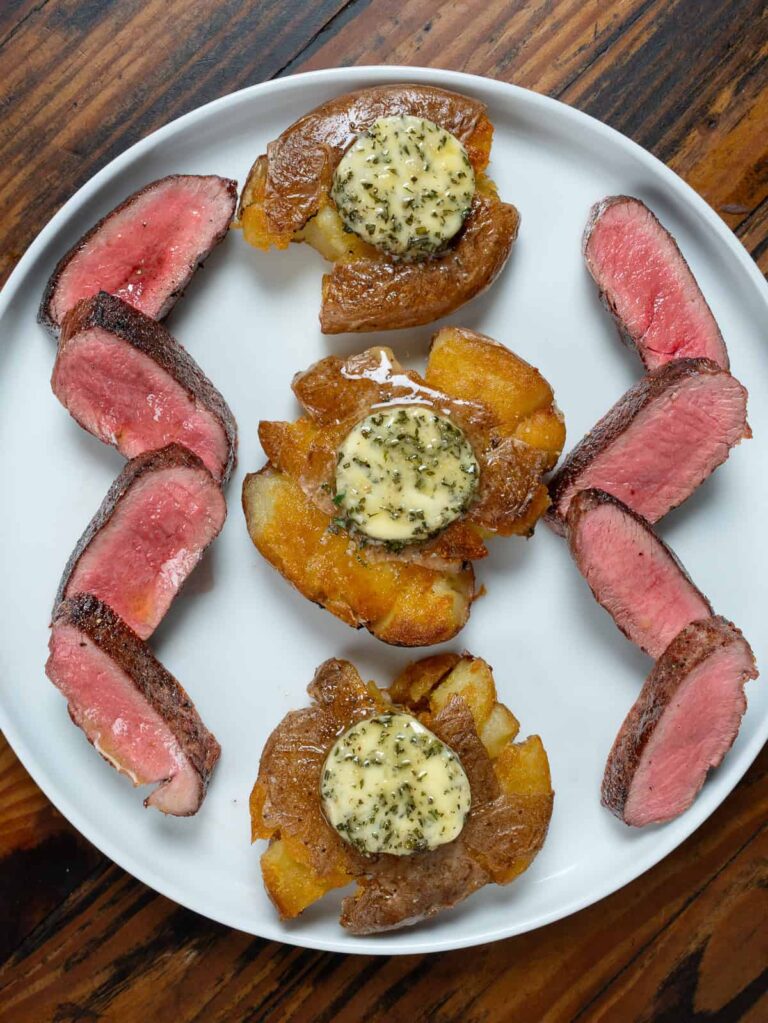
- Sliced against the grain: After resting, slice the steaks against the grain at about 1/4 to 1/2 inch thickness. This will give you the most tender bite. A perfectly cooked lean steak that is cut too thick and with the grain will be tough.
- Season after slicing: I like to sprinkle a little flaked sea salt and black pepper onto the steak slices. This is especially helpful when working with thick steaks. Thick steaks have larger surface area and can benefit from a little more salt.
- Sauces and butter: Top with a herbed compound butter like I serve with my grilled venison backstrap. Or dip in a bright and tangy basil chimichurri.
Venison Steak Recipes To Try
Once you have the basics of this guide down, put them to use with some of the recipes listed below.
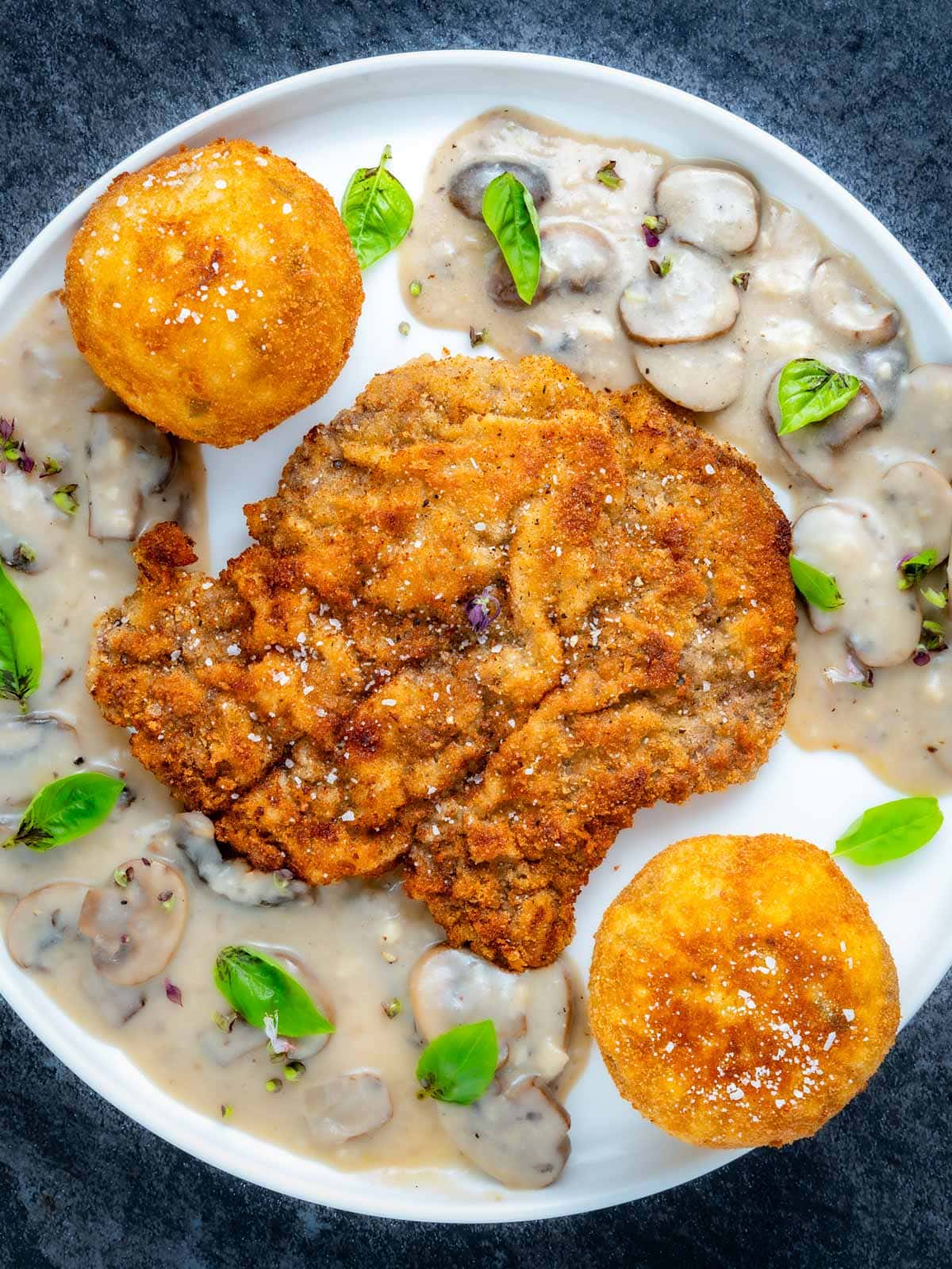
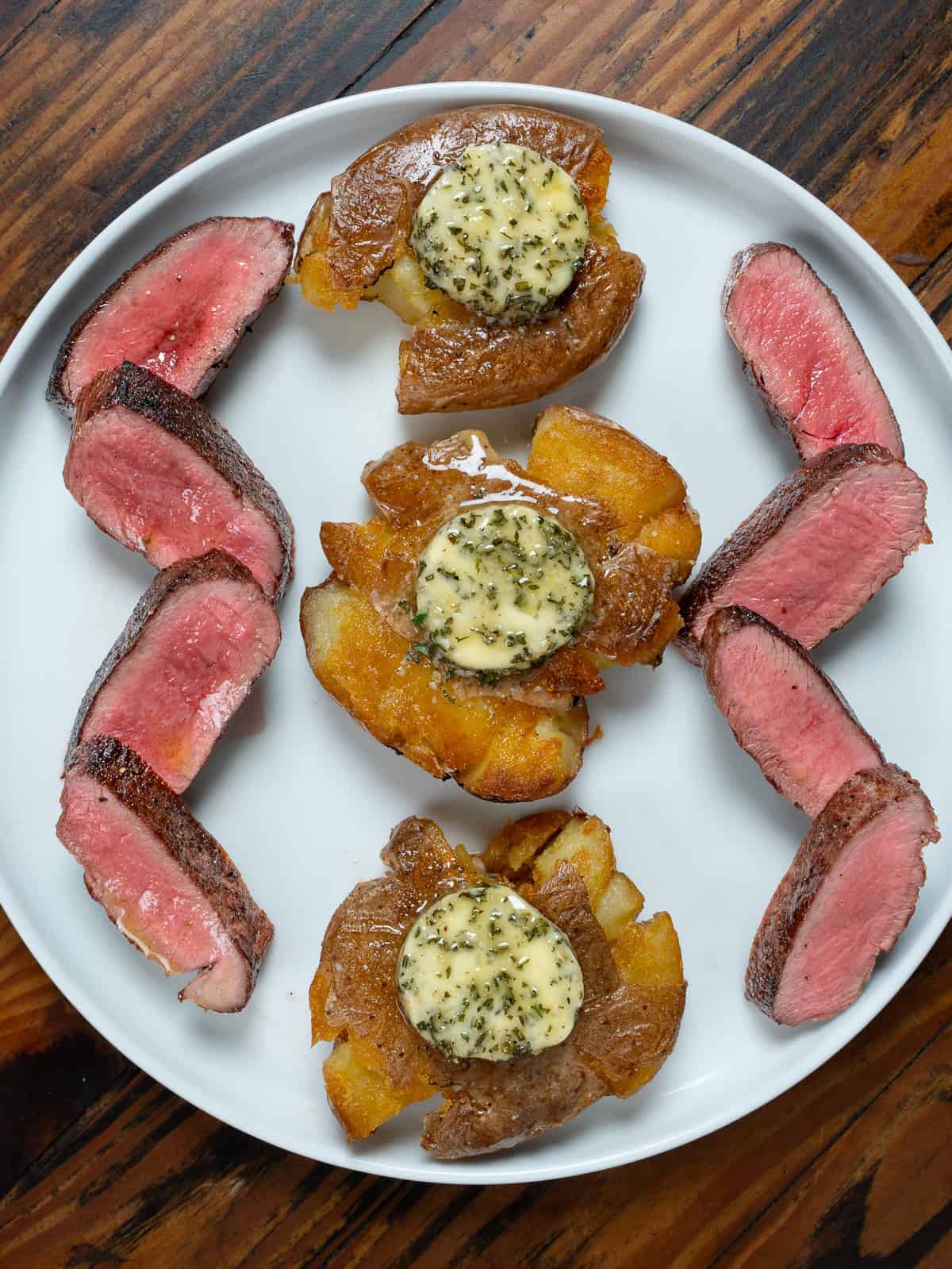
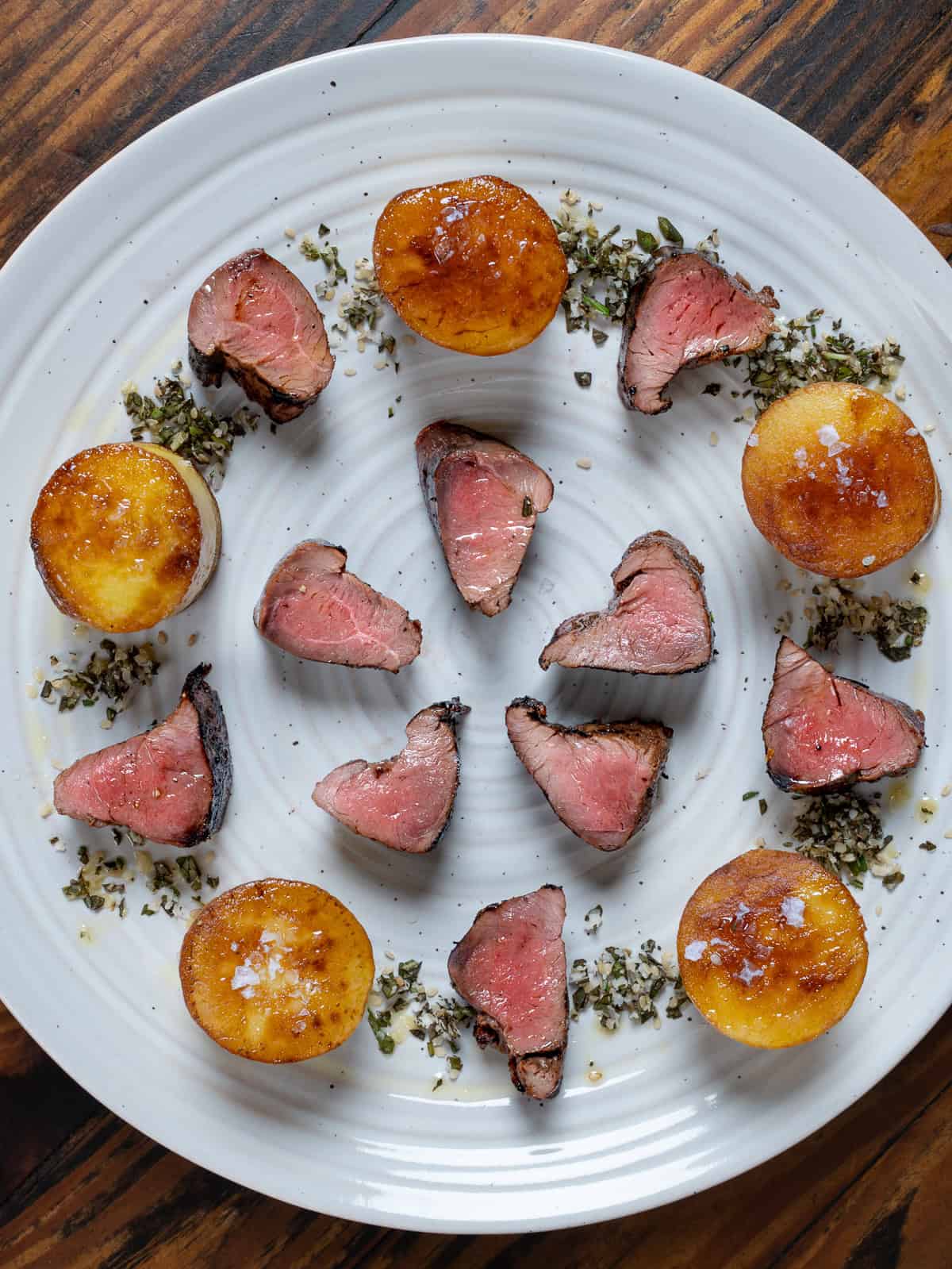
If these tips helped you cook better steaks or if you have any questions, leave a comment or give me a shout on Instagram at @larry__white. I enjoy helping you all out and looking at all of your culinary creations!