Venison osso buco is one of the best ways to cook deer shanks. Cross-cut venison shanks are browned, then slowly braised in red wine and stock, and served over creamy mascarpone polenta with a bright, tasty horseradish gremolata.
This is the kind of dish that makes folks change their minds about eating shanks. The marrow, connective tissue, and braising liquid all work together, giving you fork-tender meat and a rich sauce that’s the ultimate comfort food.
If you are starting with whole shanks, check out my guide on venison shanks. This is where I give tips for cutting and processing deer shanks, along with a few cooking tips.
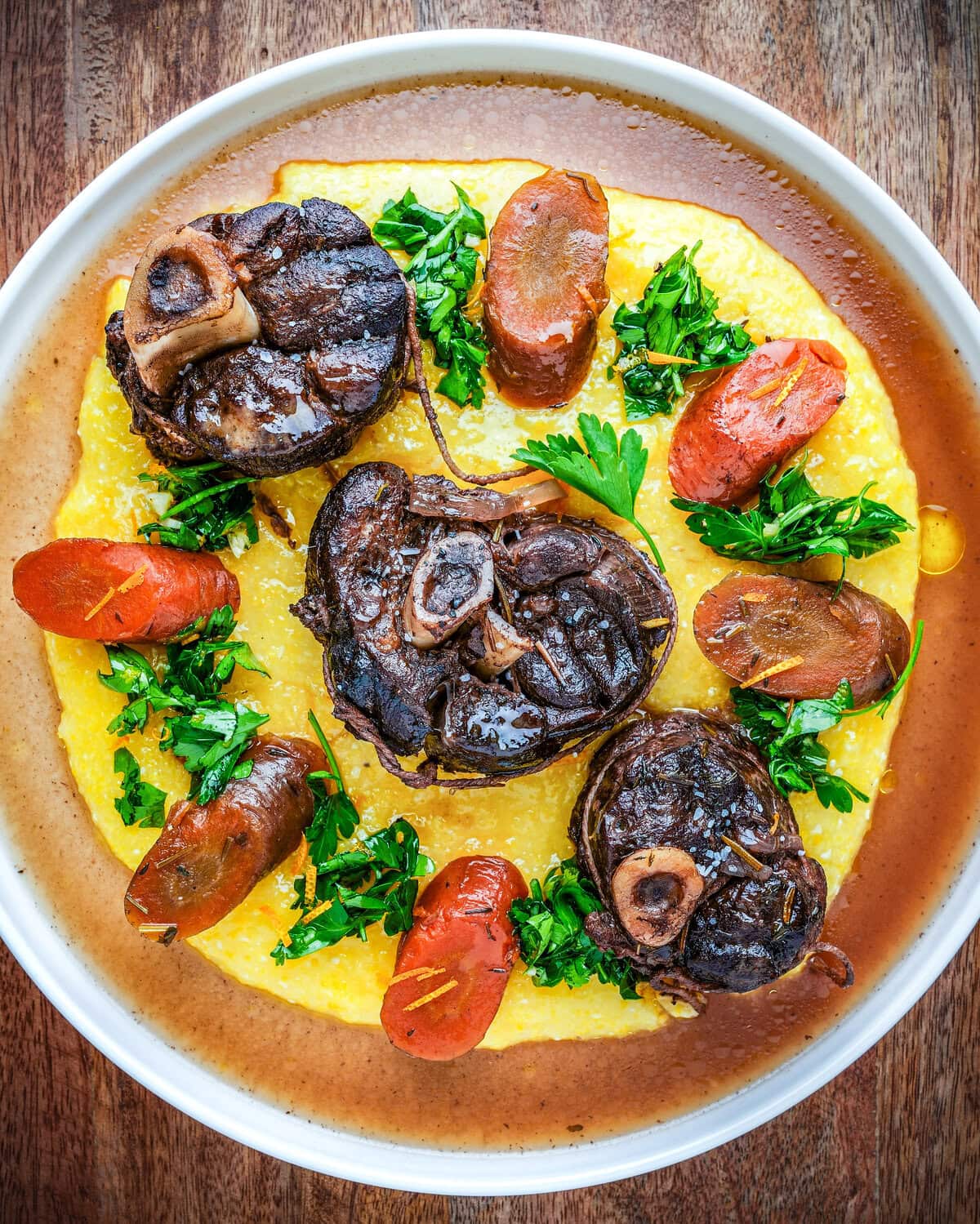
Quick Look: Venison Osso Buco
- Ready in: 4 1/2 to 5 1/2 hours
- Serves: 4
- Calories: 1196 (This includes all of the ingredients in the cooking liquid).
- Main ingredients: Venison shanks, onion, carrot, celery, dry red wine, chicken stock, polenta
- Cook method: Dutch oven braise or slow cook
- What makes this recipe great: An easy to throw together comfort food dinner that the entire family will love. The horseradish gremolata lightens up the dish for those warm days when you’re craving cold-weather food.
SUMMARIZE & SAVE THIS CONTENT ON
Of all the ways I’ve cooked venison shanks over the years, this is one of my favorites. I’ve learned that shanks need time more than anything else. The slow braise gives the connective tissue time to break down as the sauce develops layers of flavor. This low and slow technique is also used in my sweet and spicy slow cooker venison shanks and braised venison shanks with Mexican chiles.
Why This Recipe Is Great
Developed for tough deer meat: Venison shanks are full of connective tissue, so they need a long, steady braise. This method gives them time to become fork-tender
Rich sauce from the same pot: The marrow, wine, stock, and aromatics cook down into a braising liquid that doubles as a sauce
Easy to make: This recipe has a minimal amount of prep work. So you can sit back and relax while the meat cooks.
Taste better the next day: Like most braised dishes, the flavors mature and taste better the next day. So this one makes for great leftovers.
Key Ingredients
Venison shanks: This recipe uses bone-in venison shanks cut into disks about 2 inches thick. That exposed center bone is what makes osso buco, osso buco. As it braises, the marrow and collagen help build a richer sauce.
Dry red wine: A good dry red wine adds depth to the braise and helps deglaze the pot. Barolo is my favorite to use here, but any dry red wine you would actually drink will work.
Chicken stock: Chicken stock keeps the flavors of the dish light without overpowering. You could also use homemade venison bone broth if you have any.
Tomato paste: Tomato paste adds acidity to the braising liquid, helping cut through the richness.
Fennel, thyme, and rosemary: These aromatics give the braise its herbal notes that pair well with venison.
Mascarpone polenta: Soft polenta mixed with creamy mascarpone is the perfect side dish. You can also use grits in place of the polenta.
Horseradish gremolata: The gremolata is what keeps the finished dish balanced. Fresh parsley, citrus, garlic, and horseradish cut through the richness and brighten everything up.
How To Make Venison Osso Buco
- Brown the shanks: Season the shanks well with salt and black pepper, then dredge them lightly in flour. Shake off the excess and brown them in a hot Dutch oven with a high-smoke-point oil. Do this in batches if needed. If you crowd the pot, the shanks will steam instead of sear, and that costs you flavor right from the start.
- Build the braise: Once the shanks are browned, lower the heat. Cook the onions, carrots, celery, garlic, fennel, thyme, rosemary, and bay leaves until softened.
Stir in the tomato paste and cook for a couple of minutes to deepen its flavor. Pour in the wine and scrape the brown bits from the bottom of the pot. Those brown bits are call the fond. And it is a vital part of the sauce. - Braise until fork-tender: Return the shanks to the pot and add enough chicken stock to come about three-quarters of the way up the meat. Cover and braise at 325 F until the shanks are fork-tender, about 4 to 5 hours. Go by texture rather than the estimated cooking time. Not all venison shanks cook at the same rate. If they still feel tight or chewy, they need more time.
- Make the polenta: While the shanks rest, combine the water and polenta in a pot and stir until smooth. Cook over medium heat, stirring until slightly thickened, then add the milk and continue cooking until the polenta is tender. Finish it with the butter, mascarpone, and Parmesan. At the end, season to taste with salt and black pepper.
- Mix the gremolata: Stir together the parsley, olive oil, orange zest, lemon juice, garlic, horseradish, salt, and black pepper until combined.
Make it close to serving time so it stays fresh and bright. - Serve: Spoon the mascarpone polenta onto each plate, top with the venison shanks, and ladle over plenty of braising liquid. Finish with the horseradish gremolata right before serving.
Chef Tips
Brown the shanks until golden brown. Be sure not to scorch them. A common mistake is not using enough oil in the pot or pan when searing. Drying the shanks off with a paper towel also promotes proper browning.
Do not cover the shanks completely with stock. Covering the shanks completely with liquid will prevent them from braising properly. This in turn will increase your cooking time dramatically.
Don’t cook at a higher temperature. Cooking at a temperature higher than what is recommended will cause the liquid to evaporate before the shanks are tender.
Preserve the shank’s shape. Tying the shanks with butcher’s twine before cooking will help promote the “osso bucco shape”.
Creating a thick sauce. If you want a thick sauce for serving, you can use a cornstarch slurry to slightly thicken.
Work Ahead. You can cook the shanks up to 2 days before serving. The polenta can be made the day before.
Serving Suggestions
This venison osso buco is best served with something soft or fluffy to pair with the sauce.
Bread: Yorkshire puddings and Parker yeast rolls are two of my favorites.
Potatoes: Creamy mushroom potato gratin pairs perfectly and is exactly what I want after a long day of hunting.
Rice: I like to serve this with plain shortgrain rice or my duck fat crispy fried rice.
Venison Osso Buco FAQ’s
What is deer osso buco?
Deer osso buco is venison shank cut into cross-sections, then slowly braised until tender. The center bone stays in, and the marrow helps enrich the braising liquid.
Is osso buco the same as osso bucco?
Yes. Osso buco is the standard spelling. Osso bucco is a common misspelling, and readers search for both.
What is the best way to braise venison shank?
The best way is low and slow in a covered Dutch oven with enough liquid to come partway up the meat. Don’t fully cover it. Brown the shanks first, build a proper braising base, and cook until the connective tissue breaks down.
Storage
Refrigerator: Store leftover venison osso buco in an airtight container in the refrigerator for up to 3 days.
Freezer: For longer storage, chill it fully first, then freeze it for up to 2 months. Thaw overnight in the fridge before reheating.
Reheating: Reheat it gently on the stovetop or in a covered dish in the oven. If the sauce tightens up in the fridge, add a splash of stock or water to loosen it back up.
Slow Cooker Option
Stovetop work first: If you want to finish this venison osso buco in the slow cooker, do the stovetop work first. Brown the shanks, build the braising base, then transfer everything over to your crockpot.
Slow cooking: Cook on high for up to 9 hours or on low for up to 12 hours. Not all venison shanks cook at the same rate. So if the meat still feels tough, keep cooking until it turns fork-tender. Increase the cooking time by one-hour increments until tender.
More Venison Shank Recipes
Below are a few of my favorite low-and-slow venison recipes that you can use with venison shanks.
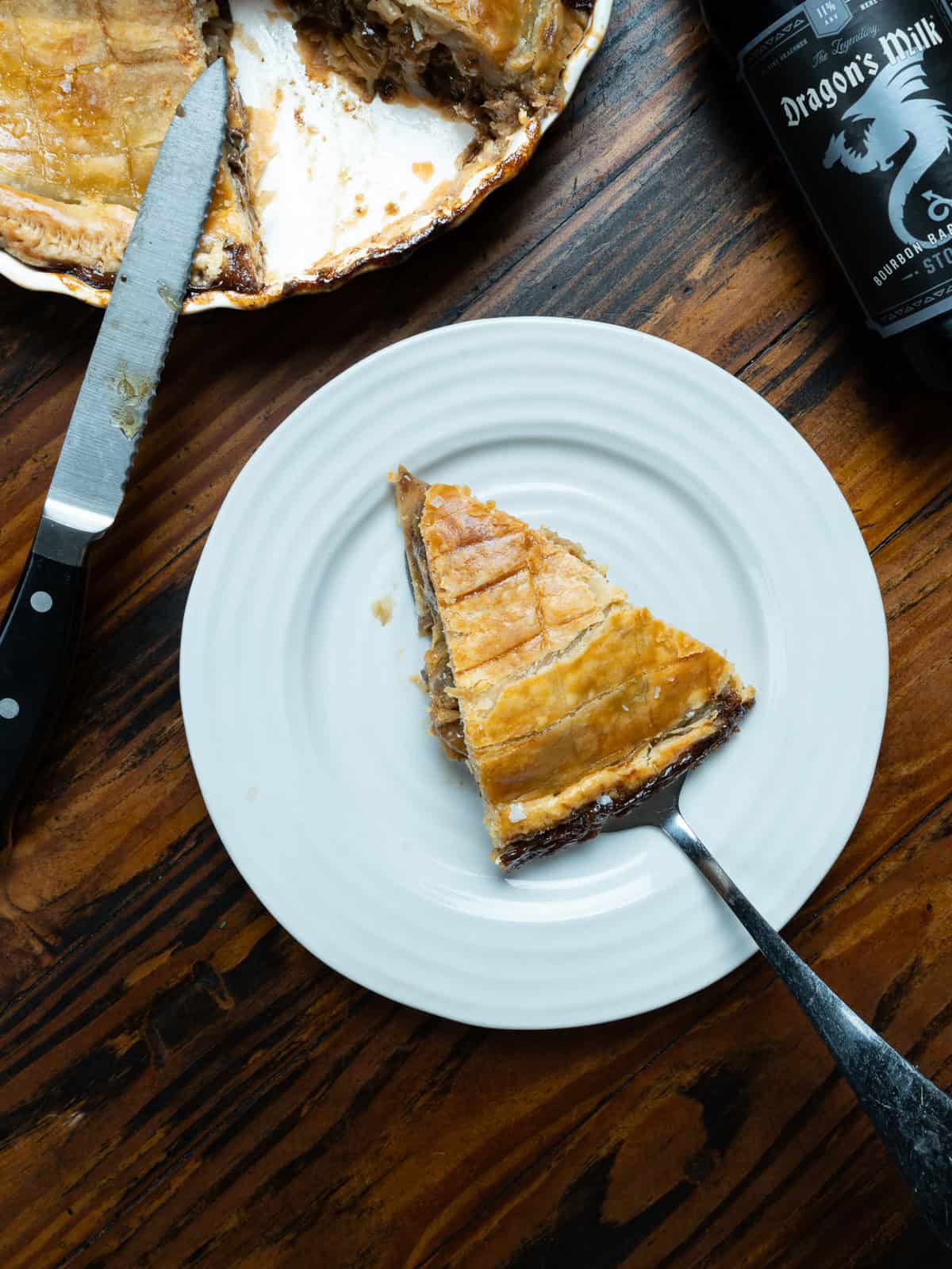
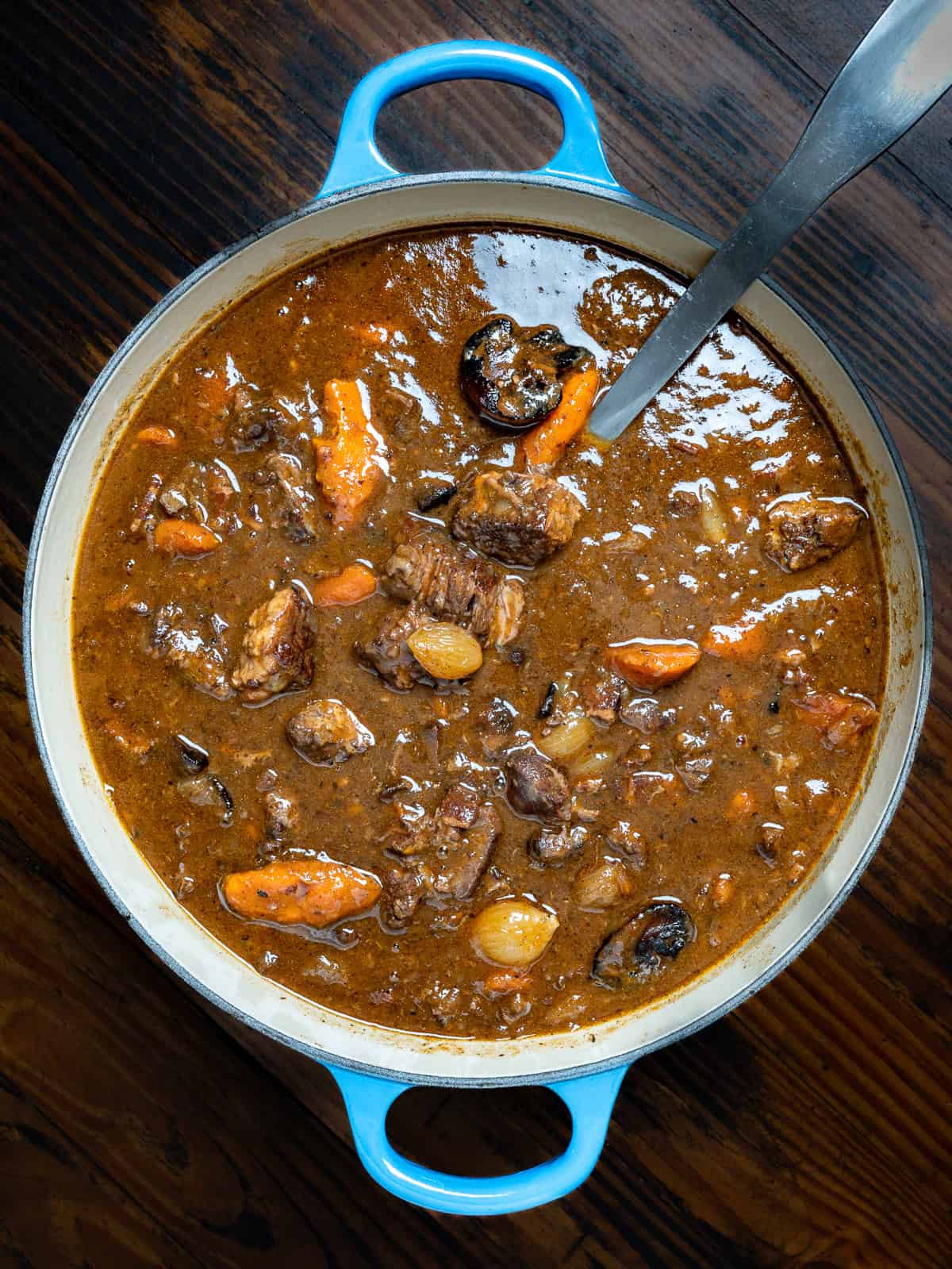
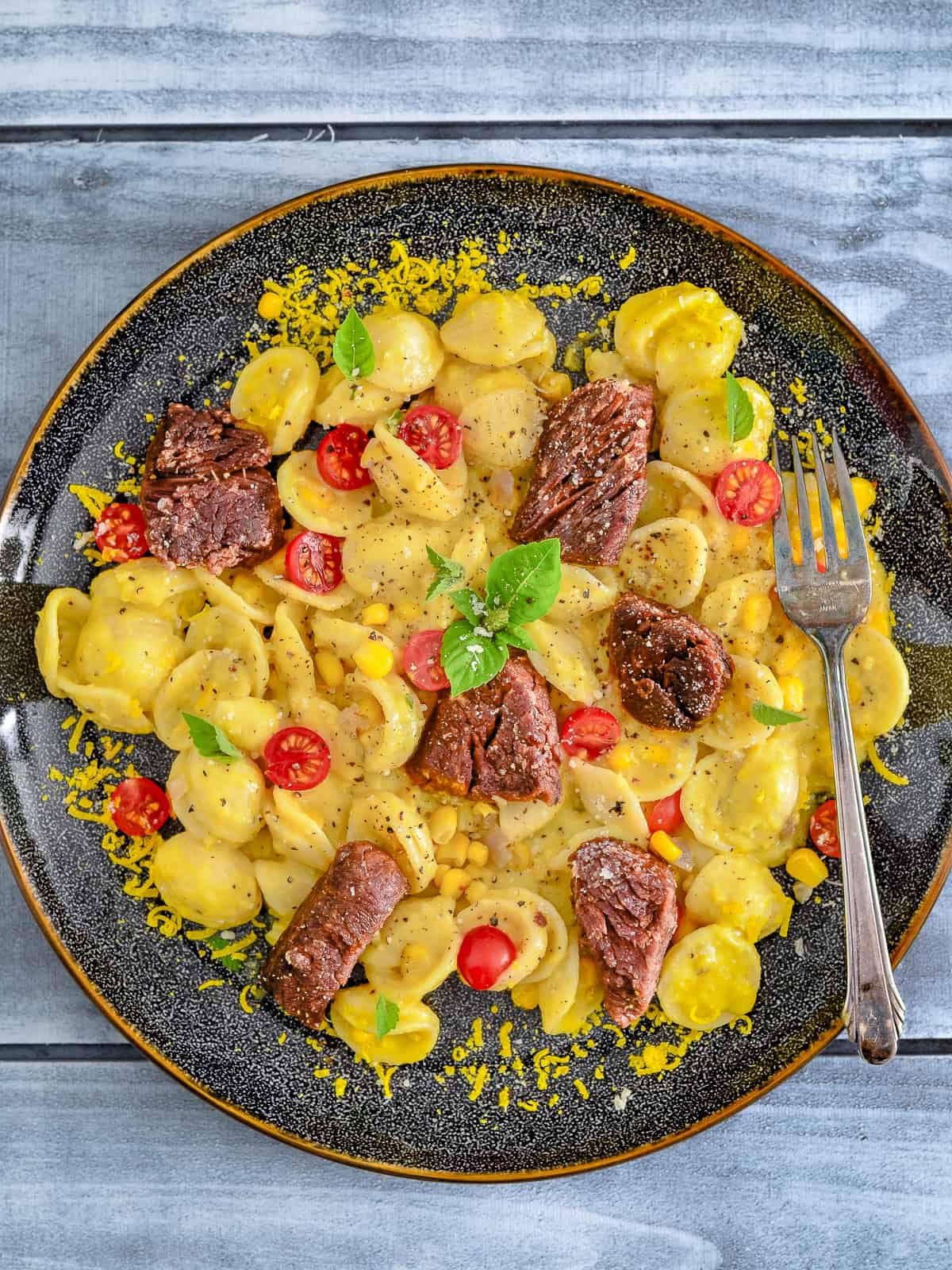
If you make this venison osso bucco, drop a comment or leave a review. And if you have any cooking questions or want to share your latest food photos, give me a shout on Instagram at @larry__white.
Venison Osso Buco
Ingredients
For the Shanks
- 2 tablespoons Cooking oil, high smoke point such as grapeseed
- 4 Venison shanks cut into around 2 inch disks, optionally tied with butcher’s twine
- All-purpose flour, as needed for dredging the shanks
- 2 1/2 cups Onions, thinly sliced
- 2 cups Carrots, diced
- 2 cups Celery, diced
- 1 tablespoon Fennel seeds,
- 10 Sprigs fresh thyme
- 3 Sprigs fresh rosemary
- 4 Garlic cloves, minced
- 2 Bay leaves
- 1/4 cup Tomato paste
- 2 cup Barolo, (or another dry red wine)
- 7 cups Chicken stock
- Salt & Black pepper to taste
For the Polenta:
- 4 cups Water
- 1 cup Coarse polenta
- 1 cup Milk
- 2 tablespoons Unsalted butter
- 1/2 cup Mascarpone cheese
- 1 cup Parmesan cheese
- Salt and black pepper to taste
For the Gremolata
- 1/2 cup Fresh parsley, chopped
- 2 tablespoons Olive oil
- 1 teaspoon Orange zest
- 1 teaspoon Lemon juice
- 1/2 teaspoon Kosher salt
- 2 Garlic cloves, minced
- 2 tablespoons Fresh horseradish, grated
- Salt and black pepper, to taste
Instructions
For the Shanks
- Preheat the oven to 325 degrees F.
- Heat the oil in a large Dutch oven or wide pot over medium-high heat.
- Season the shanks with salt and pepper. Now dredge the shanks in the flour, Shake any excess off.
- Add the shanks to the hot pan, and cook on all sides until browned. Cook in batches if needed to avoid steaming the meat.
- Remove the shanks and set aside.
- Lower the heat to medium. Add the onions, carrots, celery, garlic, fennel, thyme, rosemary, bay leaves and one teaspoon of salt to the pot. Cook until softened, while stirring often, about 4-5 minutes.
- Add the tomato paste and cook for 2 minutes. Add the wine, scraping with a spoon to deglaze the pan.
- Return the shanks to the pot. Add enough chicken stock to cover the shanks around ¾ of the way.
- Taste the cooking liquid and adjust with salt and pepper if needed.
- Cover and braise in the oven until the meat is fork tender. Around 4 to 5 hours.
- Remove from the oven once for tender, cover and set aside while you make the polenta and gremolata.
For the Polenta
- In a pot combine the water with the polenta and mix until smooth.
- Cook over medium heat, while stirring constantly until the polenta is slightly thickened, about 5 minutes.
- Pour in the milk and stir to combine. Cook while stirring often, until the polenta is tender. This will take about 25 minutes.
- Mix in the butter and mascarpone. Simmer for 2 to 3 minutes.
- Remove from the heat and fold in the Parmesan cheese.
- Season with salt and pepper to taste
For the Gremolata
- Combine all of the ingredients and stir until combined.
- Season to taste with salt and black pepper. Add more olive oil as needed.
NOTES
- Use a slow cooker. Follow the recipe through step 8, then transfer everything to the slow cooker and cook on high until tender, up to 9 hours, or on low up to 12 hours.
- Brown the shanks in batches. Dredge them lightly in flour, season them first, and do not crowd the pot or they will steam instead of sear. That browning step is what builds the base flavor for the braise.
- Cover only three-quarters up. After deglazing with the wine, add enough chicken stock to come about three-quarters of the way up the shanks. You want a braise here, not a full boil.
- Cook until fork-tender. Braise covered at 325 F for about 4 to 5 hours, but go by texture more than the clock. The shanks are ready when the meat gives easily and pulls from the bone without fighting you.
- Use fine polenta if needed. If you cannot find coarse polenta, fine polenta works, and coarse grits will also work. Follow the package timing if you swap.
- Make parts ahead if wanted. The shanks can be made up to 3 days ahead, and the polenta up to 2 days ahead. Make the gremolata the day you plan to serve it.
Nutrition
Nutrition information is automatically calculated, so should only be used as an approximation. Nutrition is per serving.